
Interior design trends are useful up to a point. They show what retailers, designers and magazines are paying attention to, but they can also make homes look as though they were furnished by the same algorithm.
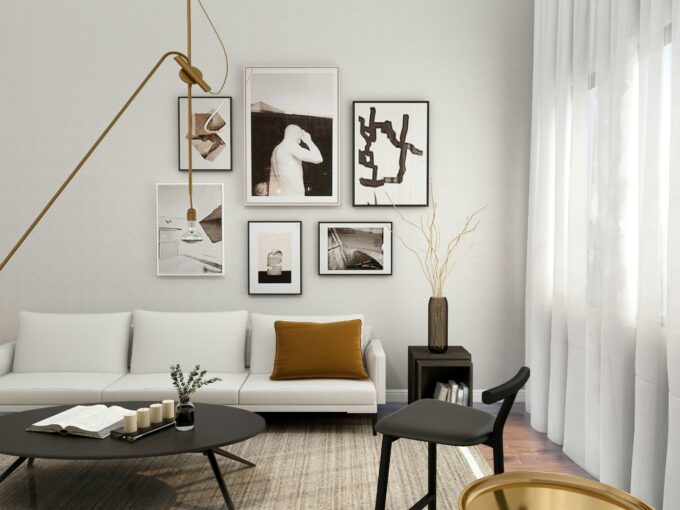
A more interesting shift in British interiors is the move away from one dominant look. Period furniture can sit beside contemporary lighting; inherited objects can share a room with inexpensive high-street pieces; open-plan spaces can be divided again when households need privacy, storage or somewhere to work.
Designing around use
The best decisions usually begin with the room rather than the trend. Light, ceiling height, storage, heating, pets, children, renting restrictions and the number of people using a space all matter more than whether a particular colour is fashionable this year.
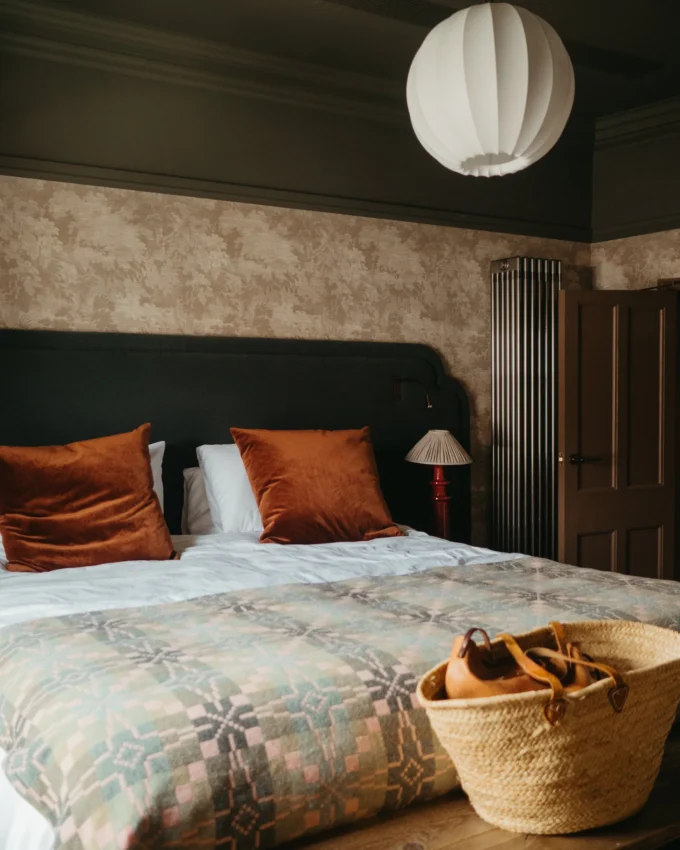
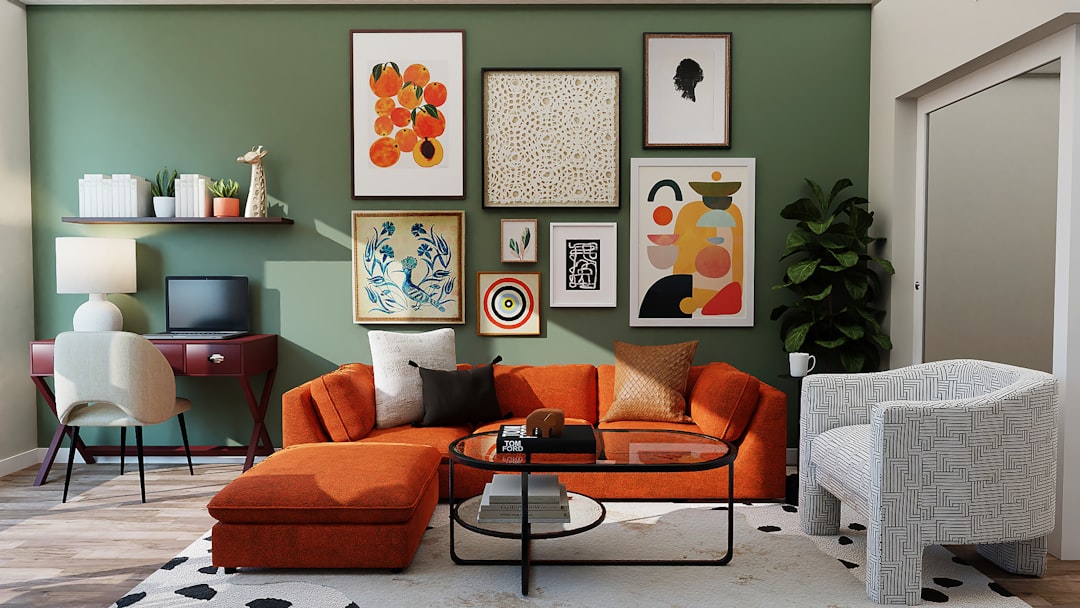
Texture and warmer materials remain popular because they can make a room feel less flat, but there is no universal palette that produces comfort. Dark colours can work beautifully in one home and feel oppressive in another. The same is true of curved furniture, open shelving and heavily layered interiors.
Secondhand and vintage furniture can add character and extend the life of existing goods, but buying old is not automatically cheaper or more sustainable once transport, repair and replacement are considered.
Perhaps the most useful trend is therefore the weakening of the trend cycle itself. Homes tend to work better when they accumulate slowly and respond to the people living in them rather than being redesigned every time a new aesthetic arrives.