
Home Lifestyle Minimalist Living in Britain Without the Lifestyle Mythology
Lifestyle

Minimalist Living in Britain Without the Lifestyle Mythology

Minimalist Living and Why More British People Are Choosing Less
Share

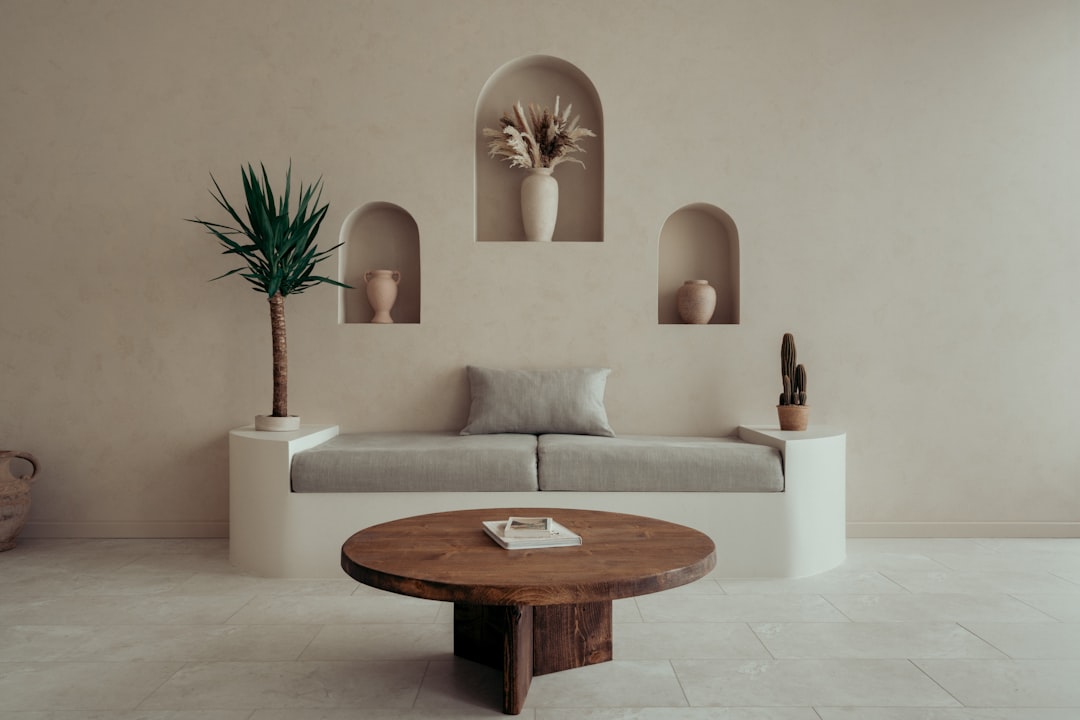
Minimalist living is often sold as a cure for clutter, stress and overconsumption. The reality is more ordinary. For some people, owning fewer things genuinely makes a small home easier to use. For others, a carefully edited room is simply an aesthetic preference.

That distinction matters because minimalism can quickly become another form of consumption: new storage systems, matching containers, expensive neutral furniture and the constant pursuit of an idealised empty space.

Space is not distributed equally

In smaller British homes, especially rented flats, reducing what is stored can be practical. But living with fewer possessions is not always a voluntary lifestyle choice. Frequent moves, limited storage and housing costs can all shape what people are able to keep.

There is also no reliable psychological rule that a sparse room creates a clear mind. Some people find visual simplicity calming; others feel more at home among books, photographs, collections and inherited objects.

A more useful version of minimalism asks whether an object earns the space and maintenance it requires. That can mean repairing something, giving it away, keeping it for sentimental reasons or deciding that an apparently unnecessary object makes daily life better.

The goal does not have to be an empty home. It can simply be a home in which possessions feel chosen rather than accumulated by default.


Written by
Catherine Hollis

Catherine spent twelve years as an interior design consultant before a friend suggested she start writing about what she already talked about constantly. She took the advice seriously. Since then she has written for home and property titles across the UK, developing a style that sits somewhere between practical guide and personal essay. She has a particular interest in how people shape their living spaces over time — not just aesthetically but emotionally. She works from a converted barn in Wiltshire and is currently restoring a neglected kitchen garden with mixed results.

Editor's Pick

Culture

The Light Opens in Durham With a Major Exhibition on Light

A new cultural venue opens in Durham on 22 August, bringing contemporary art, local history and a restored museum building back into public...

Culture

Terrane Turns Jewellery Into a Map of Place and Memory

Amid the noise of the Edinburgh Festival Fringe, a small jewellery exhibition in Stockbridge is asking visitors to look at landscape in a...

People

Small Talk in Britain and Why Brief Encounters Still Matter

Small talk is easy to underestimate because, by definition, very little appears to happen. A remark about the weather, a few words with...

Home

Community Gardens and the Shared Life Growing Between the Beds

Community gardens are easy to romanticise. A few raised beds, a shed and a line of beans can quickly become shorthand for neighbourliness,...

Style

Personal Style After 40: Dressing With More Freedom, Not More Rules

Style after 40 does not need a rescue plan. It also does not arrive with a universal set of rules about hemlines, colour,...

Food

Home Baking and the Everyday Pleasure of Making Something From Scratch

Home baking does not need to be described as a revival, a form of therapy or an antidote to modern life to be...

Related Articles
The Art of Slowing Down and What Britain Can Learn from Doing Less
Lifestyle

Slowing Down Without Turning Rest Into Another Project

Modern life produces no shortage of advice about slowing down. The irony...

Renting in Britain and What the Housing Crisis Means for a Generation
Lifestyle

Renting in Britain: Cost, Security and the Difficulty of Feeling Settled

Renting is not a single experience. For some people it offers flexibility;...

Work Life Balance and Why Britain Is Still Getting It Wrong
Lifestyle

Work-Life Balance in Britain: Why the Problem Is Bigger Than Time Management

Work-life balance is often presented as a personal skill: organise the diary...

Capturing the Essence of August Through Creative Journaling
Lifestyle

An August Journal: Keeping Small Pieces of the British Summer

August is a good month for keeping a journal because it produces...