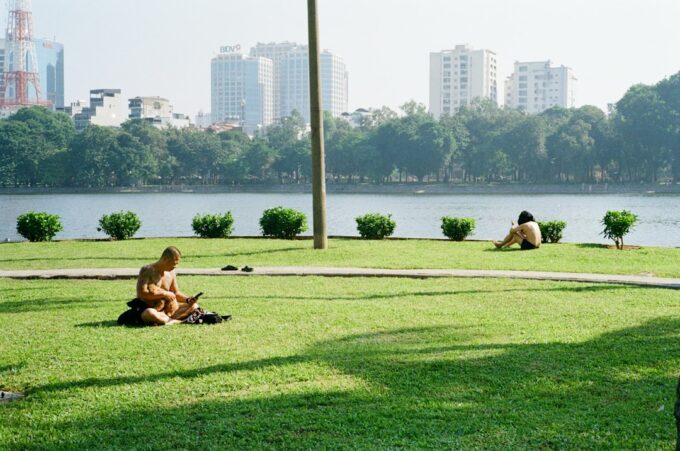



More people are making time for parks, walking routes, allotments and other forms of outdoor leisure. The shift does not necessarily mean a rejection of urban life. For many, it is simply a practical way to spend less time with screens and more time in physical surroundings.
Finding Space Outdoors
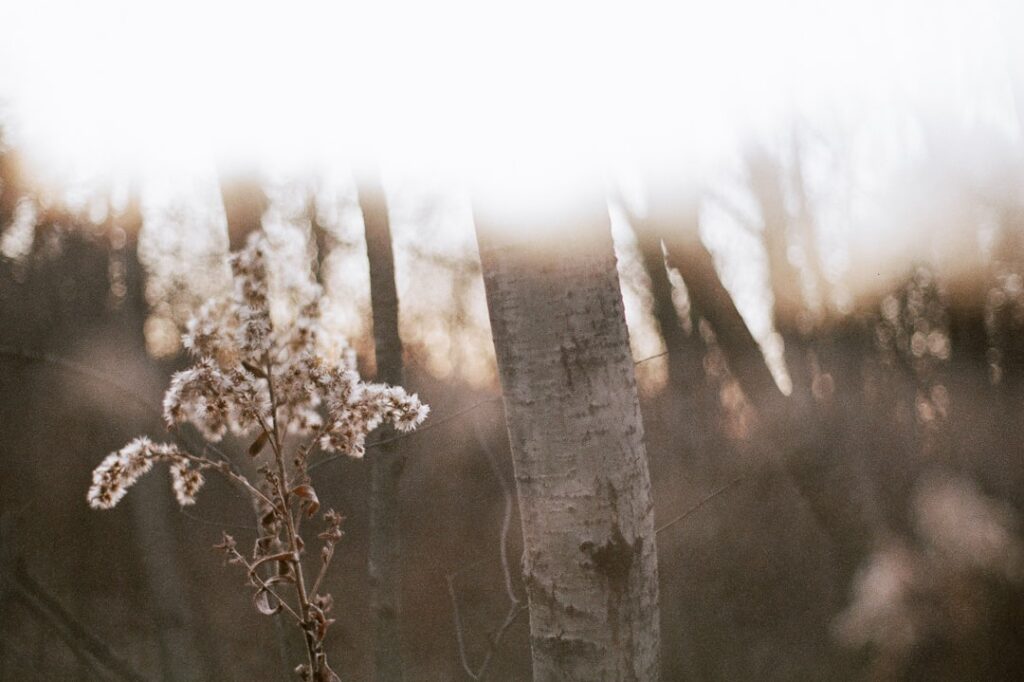
Local parks and other public green spaces can provide accessible places for walking, exercise and informal socialising. Natural England’s People and Nature Survey has tracked how people in England use and value natural spaces, while walking organisations such as the Ramblers continue to promote walking as an accessible leisure activity.
The Reality of Access
Access to nature is not equally convenient for everyone. Housing density, transport, working patterns and the availability of nearby green space all affect how easily people can spend time outdoors. For some urban residents, parks, allotments and community gardens provide the most practical connection with nature.
Research in environmental psychology has also examined the restorative effects of natural environments. These findings can help explain why time outdoors may feel refreshing, but they should not be presented as a substitute for medical or psychological treatment where that is needed.
Rural Escapes Without the Idealised Picture
Spending time in the countryside can offer a change of pace, but rural life is not simply an escape from the pressures of modern life. Transport can be limited, housing and heating costs can be high, and some communities face their own pressures. The appeal of a rural walk or weekend outdoors does not depend on pretending those realities do not exist.
For many people, the most realistic approach is to build smaller periods outdoors into ordinary life: a walk after work, time in a local park, a weekend trail or an allotment plot. These activities can provide a break from screens without requiring a move to the countryside.
References
- Natural England. People and Nature Survey for England.
- Kaplan, S. (1995). The restorative benefits of nature. Journal of Environmental Psychology, 15(3), 169–182.
- The Ramblers. Research and guidance on walking and outdoor access.