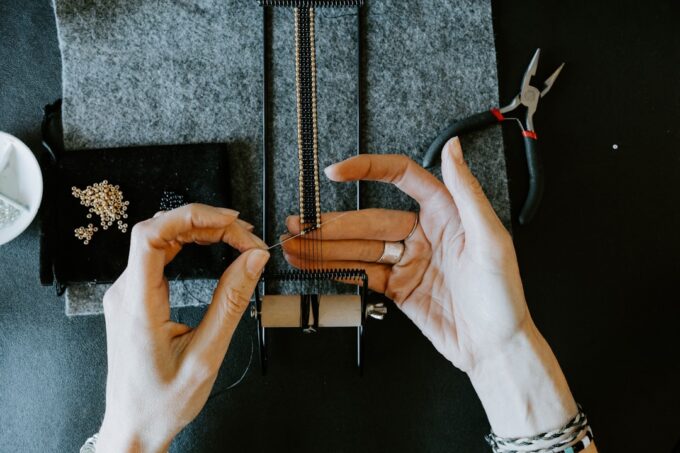



British craft is often discussed as heritage, but the more interesting question is whether a skill remains in use. Weaving, furniture making, ceramics, metalwork, stone carving and other practices survive when people continue to learn them, earn from them and adapt them to contemporary needs.
That makes craft less a story about nostalgia than about transmission. A technique can be centuries old and still change with new tools, new materials and different customers. What matters is whether the knowledge required to do the work remains available to another generation.
Tradition is not the same as repetition
Good contemporary craft rarely consists of copying an old object exactly. Makers study proportion, joinery, firing, finishing, pattern or material behaviour and then decide what is worth carrying forward. Digital cutting or computer-aided design may sit beside hand finishing without making the result less rooted in craft.
The economic reality is also less romantic than the language around handmade goods sometimes suggests. Small workshops face rent, material costs, training time and pressure to price labour realistically. A handmade object is not automatically sustainable, ethical or superior simply because it was made on a small scale.
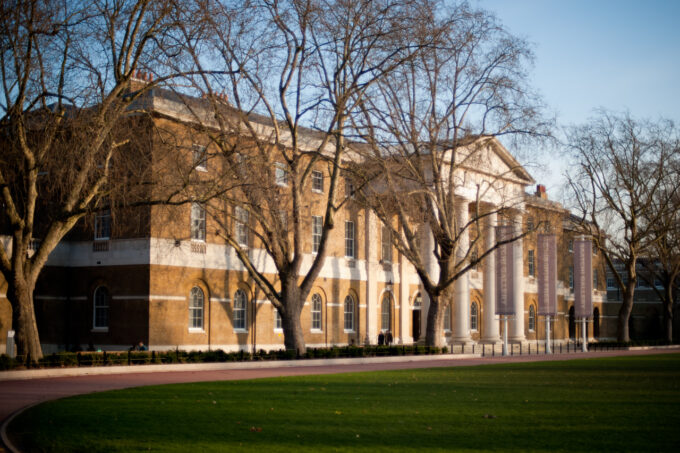
Institutions such as the V&A and the Crafts Council help document both historical practice and contemporary making. Their collections and sector work make one point especially clear: craft remains alive when it is treated as skilled work rather than decorative nostalgia.
The strongest British craft traditions therefore survive through use. They are repaired, redesigned, taught, sold and questioned. Continuity does not require freezing a technique in the past; it requires giving people enough reason to keep practising it.