

The village fete remains a living local ritual rather than a frozen postcard of old Britain, operating as a dynamic social engine across the country. When summer arrives on parish greens, these gatherings bring together an intricate network of voluntary labour, church committees, and school associations that keep rural and semi-rural communal life functioning. Far from being simple exercises in nostalgia, these events demand months of unglamorous administrative coordination, marquee assembly, and logistical planning.
The Structural Engine of Voluntary Labour

Every successful seasonal gathering relies almost entirely on unpaid hands giving up their weekends to stack chairs, man cake stalls, and clean up the grounds afterwards. Historic England or local-history archives for historical context point out that communal fairs have long served as economic lifelines for rural parishes, evolving from agricultural hiring markets into modern philanthropic fundraisers (Archive, 2021). Without this immense reservoir of volunteer goodwill, local institutions would struggle to finance essential repairs and community outreach programmes.
Fundraising is rarely abstract at these gatherings; the proceeds are usually earmarked for a specific, highly visible local need, such as repairing a leaking church roof or buying new playground equipment for the local pub and school. This direct link between financial contribution and tangible community benefit encourages even the most cynical residents to part with their cash for a slightly over-baked Victoria sponge or a dubious bottle of homemade damson gin. It is civic participation stripped of bureaucratic distance.
Competitions and the Contested Art of Horticulture
At the heart of any traditional gathering lies the horticultural tent, where fierce, unspoken rivalries play out over marrow dimensions and the structural integrity of raspberry jam. Local parish, village or council sources for any named fete examples indicate that while certain categories have seen declining entries due to demographic shifts, classes for novice bakers and children continue to draw enthusiastic participation (Parish Council, 2023). These judged displays offer a rare public platform for domestic craftsmanship that is otherwise overlooked by modern consumer culture.
Beyond the vegetable displays, competitions function as a democratic equalizer where newcomers and multi-generational families compete on identical terms. The act of entering a crooked loaf of bread or a lopsided bunch of sweet peas acts as an initiation rite for urban transplants attempting to integrate into established rural networks. Current charity/community-event material where relevant emphasizes that contemporary events increasingly use these interactive elements to bridge generational divides and welcome new residents (Community Trust, 2022). It is through shared proximity to burnt sausages and misplaced raffle tickets that community bonds are quietly forged.
Negotiating Local Politics and New Demographics
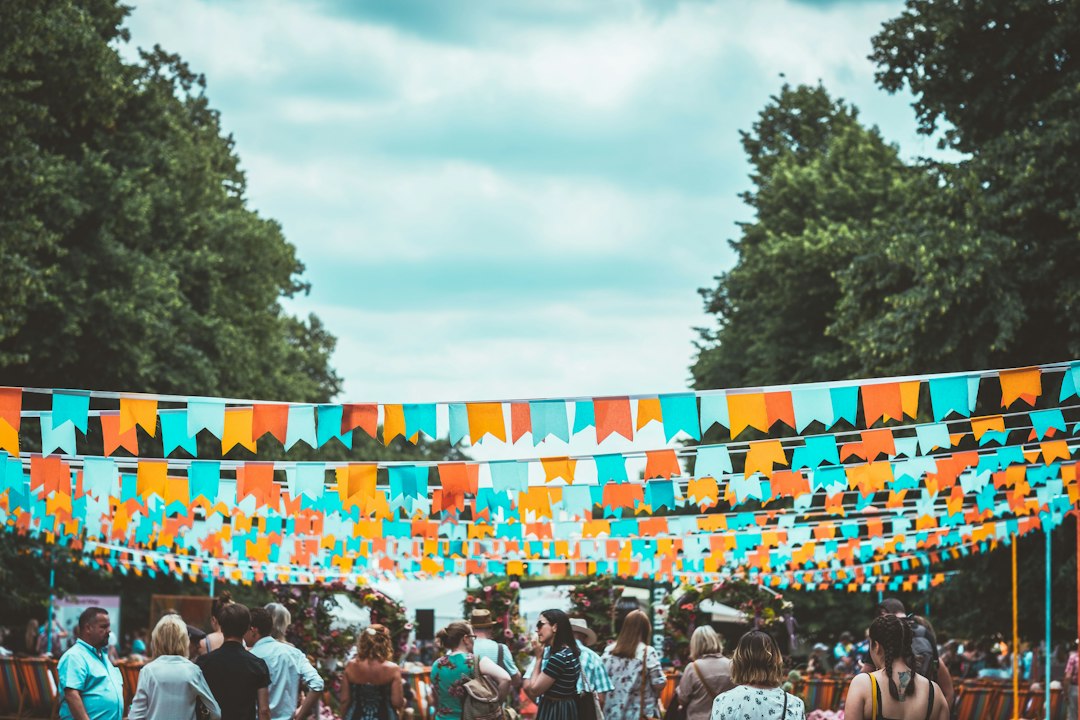
Beneath the fluttering bunting and the blaring announcements of the coconut shy, these gatherings often mirror broader anxieties about rural housing, demographic change, and local power dynamics. Parish councillors, prospective members of parliament, and local business owners circulate through the crowds, pressing flesh in an environment that feels intimately scaled yet politically charged. For newcomers, navigating the unwritten social codes of the fete committee can feel like deciphering an ancient dialect.
Yet this friction is precisely what keeps the tradition vital rather than ornamental. As older organizers step down, younger residents introduce new ideas, ranging from vegan food stalls to digital payment systems, occasionally sparking robust debates over what constitutes an authentic local gathering. Traditions inevitably vary across regions, with some historic parishes witnessing a decline in attendance while others experience a robust resurgence driven by post-pandemic desires for local connection.
- Securing volunteer commitments months in advance
- Balancing traditional games with modern dietary demands
- Navigating parish council permits and public liability insurance
- Integrating newcomers into the core organizing committee
Ultimately, these summer gatherings endure because they provide a physical space where communities must negotiate their differences in real time. You cannot scroll past a poorly thrown wet sponge or ignore your neighbor when you are both standing behind a sizzling barbecue grill. In an increasingly fragmented society, that forced, amiable proximity remains remarkably radical.
References
Archive, H. 2021. The Evolution of Rural Parishes and Fairs. Historic England Local History Series.
Community Trust. 2022. Modern Engagement Strategies for Village Events. Annual Charity Review.
Parish Council. 2023. Horticultural Show Statistics and Demographic Trends. Local Council Records.