

Home Community Gardens and the Shared Life Growing Between the Beds
Home

Community Gardens and the Shared Life Growing Between the Beds

Community Gardens and the People Growing Something More Than Vegetables
Share

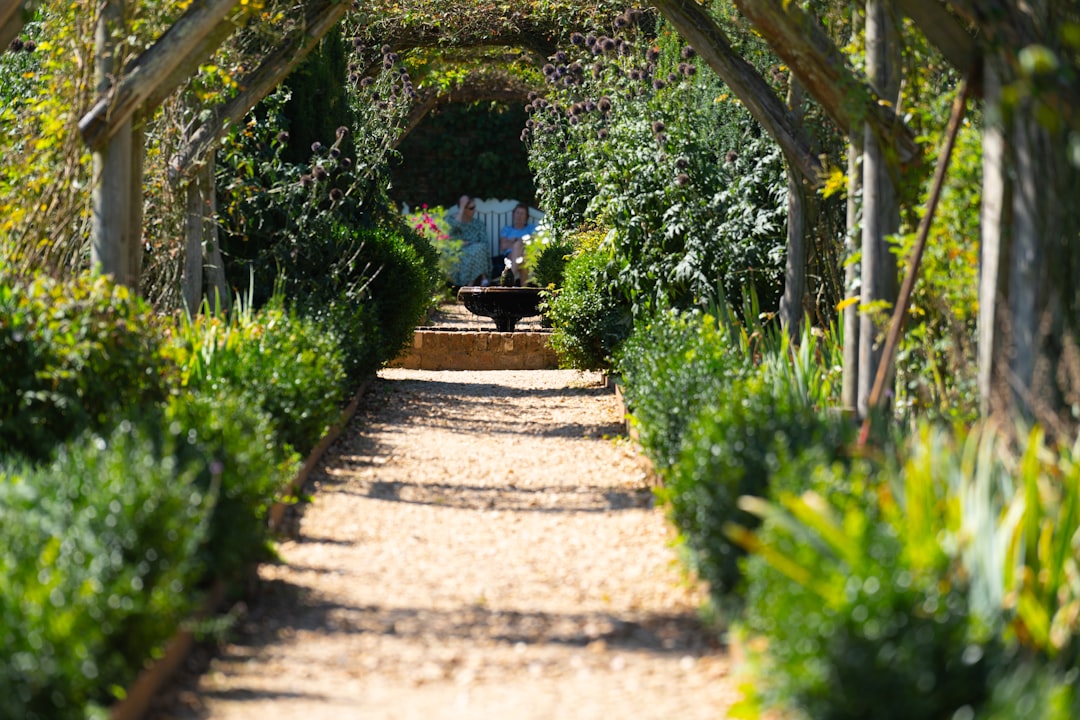
Community gardens are easy to romanticise. A few raised beds, a shed and a line of beans can quickly become shorthand for neighbourliness, wellbeing and a greener city. The reality is more interesting because these spaces are not automatically harmonious. They work when people share land, labour, decisions and responsibility.

In British towns and cities, community growing can take many forms: volunteer-run gardens, shared plots on housing estates, school gardens, therapeutic horticulture projects and spaces attached to charities or local organisations. They differ from allotments, where individuals usually rent defined plots, although the two can overlap socially.

More than a harvest

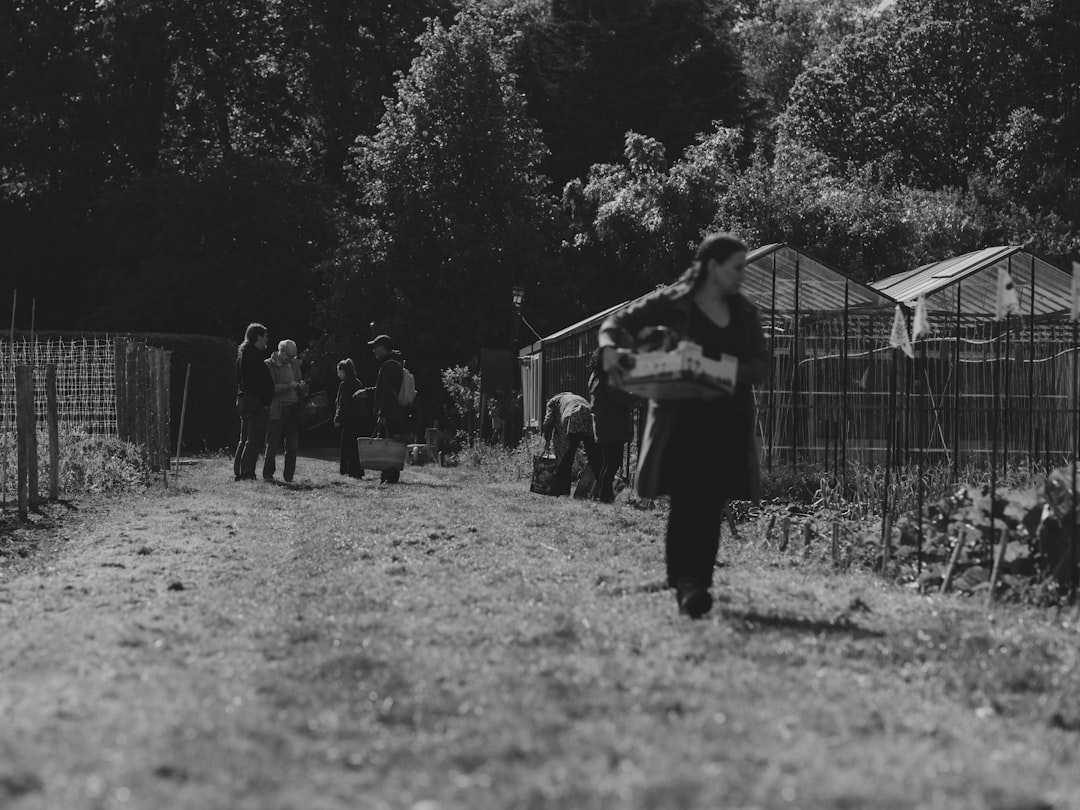
The strongest value of a shared garden is often practical. People learn from one another, swap seedlings, divide watering duties and discover which crops survive a particular patch of soil. Children see food growing before it reaches a supermarket shelf. Experienced gardeners pass on techniques that are difficult to learn from a short online tutorial.

There can also be a social benefit, but it should not be overstated. A garden cannot manufacture community simply by existing. Some projects struggle with funding, volunteer fatigue, unclear ownership or disagreements over how space should be used. Others become durable local institutions precisely because those problems are negotiated over time.

Urban green space with real constraints

Gardens can support pollinators and provide pockets of vegetation in built-up areas, especially when planting is varied and pesticide use is limited. The Royal Horticultural Society provides extensive guidance on wildlife-friendly and community gardening, but biodiversity claims should remain specific to the way a site is managed rather than applied to every garden automatically.

Access matters too. A locked garden used by a small group is different from an open community space. Raised beds, paths, seating and clear rules can make participation easier for people with different ages and levels of mobility.

The value of doing something together

What community gardens offer most reliably is a shared task. Watering, composting, pruning and repairing a broken bed give people a reason to return to the same place and encounter one another repeatedly. Those repeated encounters can create familiarity, and familiarity can sometimes become trust.

That is less dramatic than saying gardens transform neighbourhoods, but it is also more believable. A successful community garden is not a sanctuary outside ordinary life. It is ordinary life, with muddy shoes, missed watering shifts and courgettes that arrive all at once.

Sources

  • Royal Horticultural Society: community gardening and wildlife-friendly gardening resources.
  • Local authority and community-garden project sources should be used for any named examples.

Written by
Catherine Hollis

Catherine spent twelve years as an interior design consultant before a friend suggested she start writing about what she already talked about constantly. She took the advice seriously. Since then she has written for home and property titles across the UK, developing a style that sits somewhere between practical guide and personal essay. She has a particular interest in how people shape their living spaces over time — not just aesthetically but emotionally. She works from a converted barn in Wiltshire and is currently restoring a neglected kitchen garden with mixed results.

Editor's Pick

Culture

The Light Opens in Durham With a Major Exhibition on Light

A new cultural venue opens in Durham on 22 August, bringing contemporary art, local history and a restored museum building back into public...

Culture

Terrane Turns Jewellery Into a Map of Place and Memory

Amid the noise of the Edinburgh Festival Fringe, a small jewellery exhibition in Stockbridge is asking visitors to look at landscape in a...

People

Small Talk in Britain and Why Brief Encounters Still Matter

Small talk is easy to underestimate because, by definition, very little appears to happen. A remark about the weather, a few words with...

Home

Community Gardens and the Shared Life Growing Between the Beds

Community gardens are easy to romanticise. A few raised beds, a shed and a line of beans can quickly become shorthand for neighbourliness,...

Style

Personal Style After 40: Dressing With More Freedom, Not More Rules

Style after 40 does not need a rescue plan. It also does not arrive with a universal set of rules about hemlines, colour,...

Food

Home Baking and the Everyday Pleasure of Making Something From Scratch

Home baking does not need to be described as a revival, a form of therapy or an antidote to modern life to be...

Related Articles
Thoughtful Design for Compact Living: Enhancing Smaller British Homes
Home

Compact Living in Britain: Designing Small Homes Without Pretending Space Does Not Matter

Small homes can be comfortable, attractive and well organised. They can also...

Strategic Home Improvements That Add Real Value to Your Property
Home

Home Improvements Before Selling: What Buyers May Value and What They May Not

Home improvement advice often promises a predictable return: replace this, renovate that,...

Interior Design Trends Reshaping How British Homes Look and Feel
Home

British Interiors Beyond the Trend Cycle

Interior design trends are useful up to a point. They show what...

Gardening Trends and What British People Are Growing This Year
Home

British Gardens in 2026: Food, Flowers and More Resilient Planting

There is no single look defining British gardens in 2026. What is...