
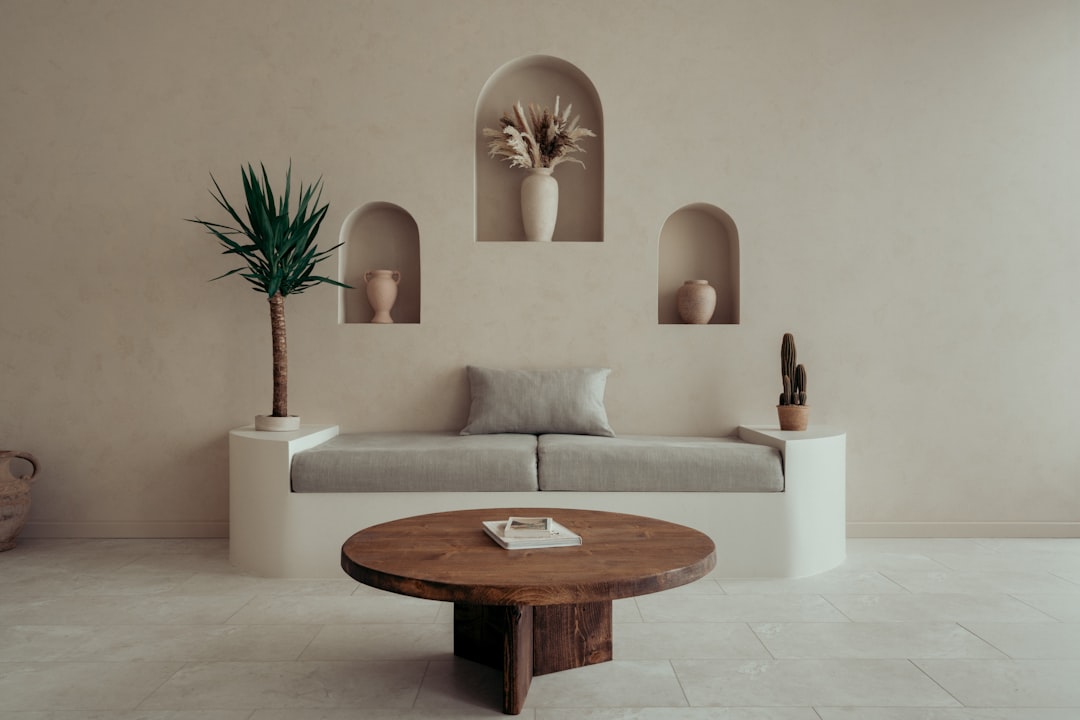
Minimalist living is often sold as a cure for clutter, stress and overconsumption. The reality is more ordinary. For some people, owning fewer things genuinely makes a small home easier to use. For others, a carefully edited room is simply an aesthetic preference.
That distinction matters because minimalism can quickly become another form of consumption: new storage systems, matching containers, expensive neutral furniture and the constant pursuit of an idealised empty space.
Space is not distributed equally
In smaller British homes, especially rented flats, reducing what is stored can be practical. But living with fewer possessions is not always a voluntary lifestyle choice. Frequent moves, limited storage and housing costs can all shape what people are able to keep.
There is also no reliable psychological rule that a sparse room creates a clear mind. Some people find visual simplicity calming; others feel more at home among books, photographs, collections and inherited objects.
A more useful version of minimalism asks whether an object earns the space and maintenance it requires. That can mean repairing something, giving it away, keeping it for sentimental reasons or deciding that an apparently unnecessary object makes daily life better.
The goal does not have to be an empty home. It can simply be a home in which possessions feel chosen rather than accumulated by default.