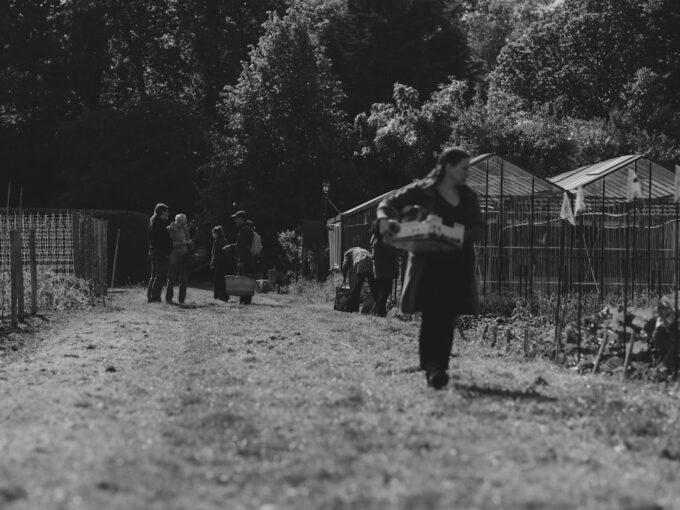


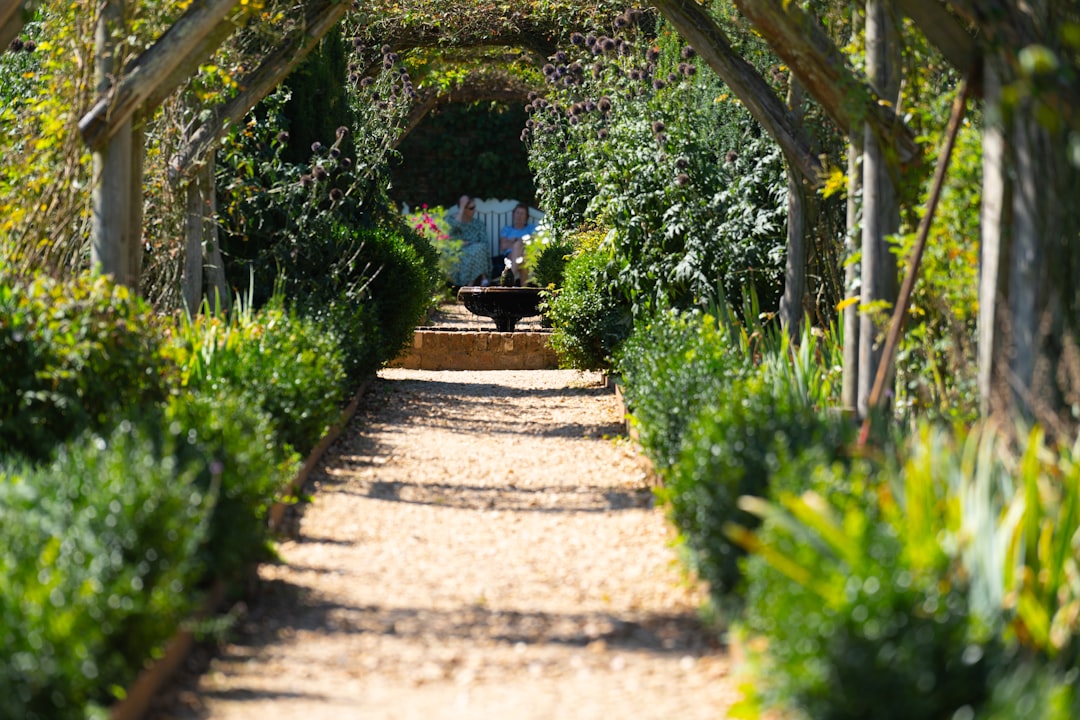
Gardening Trends Britain are shifting this season as more households move away from strictly ornamental displays and toward productive, edible landscapes that mirror our changing relationship with the soil. I walked through my own local allotments last Sunday, noticing that the usual rows of regimented potatoes have been joined by climbing beans and colourful pollinator-friendly borders. There is a palpable sense of purpose in the way we now approach our outdoor spaces, treating them not just as extensions of the living room, but as essential modules for wellbeing and sustenance. It feels like a quiet revolution is happening behind our garden gates, one defined by resilience and a desire for genuine connection with the land.
The appetite for homegrown produce has clearly surged, with many people choosing to cultivate their own greens despite the notorious unpredictability of our weather. It is no longer just about the satisfaction of picking a handful of herbs for dinner; it is about reclaiming autonomy over what we put on our plates. Many gardeners are now prioritising crops that provide a continuous yield throughout the autumn months. I have observed a significant increase in the popularity of heritage vegetable varieties, which offer flavours often missing from supermarket shelves. This movement feels less like a trend and more like a permanent shift in how we value the domestic harvest.
Sustainability has become the heartbeat of modern horticulture, dictating how we manage our water usage and soil health. Gone are the days of heavy reliance on chemical pesticides; instead, a new wave of organic enthusiasts is embracing companion planting to naturally deter pests. People are becoming increasingly attuned to the necessity of biodiversity, realising that a healthy ecosystem within the garden is the best defence against blight. If you find yourself needing to balance your busy schedule with these new horticultural responsibilities, it helps to remember that keeping your domestic life organised is just as important as maintaining your garden, much like reclaiming their space for a more productive work-life balance.
Sustainable Practices and Gardening Trends Britain

As we navigate these contemporary Gardening Trends Britain, it is impossible to ignore the rise of vertical planting and balcony cultivation in our more urbanised centres. Even those with the most modest footprints are managing to create lush, productive corners that defy their limited size. The secret often lies in choosing high-performance containers that regulate temperature and drainage effectively. By stacking layers and choosing compact, prolific plants, city dwellers are turning grey concrete into vibrant, buzzing retreats. This is a testament to the ingenuity of the modern grower, proving that you do not need an acre of land to make a meaningful difference to your own food security.
Water conservation is also taking centre stage, with a marked increase in the installation of large-scale water butts and drought-resistant plant selection. It is a pragmatic response to the hotter, drier spells we have experienced in recent years. Many gardeners are now focusing on ground cover plants that suppress weeds while locking in moisture, effectively reducing the need for constant maintenance. This shift toward low-impact gardening is perhaps the most sensible outcome of recent years. It turns the chore of weeding into an act of thoughtful conservation, which in turn benefits the local pollinators that we rely upon so heavily.
There is an inherent beauty in this gradual transformation, as our outdoor areas become living, breathing galleries of our own values. Whether you are tending to an allotment in the north or a window box in the heart of London, the principles remain surprisingly uniform. It is a slow, steady pursuit that rewards patience above all else, often providing the clarity of mind that we struggle to find in our digital lives. Just as you might seek peace of mind through careful financial planning, such as financial wellbeing strategies, gardening offers a grounded way to invest in your long-term health. The act of returning to the soil is, in many ways, the ultimate restorative ritual for the soul.
The Royal Horticultural Society has noted that this uptick in engagement across all age groups is a response to both environmental concerns and the simple human need for tactile, rewarding labour as noted by their latest research. It is a heartening trend to witness. As the season turns, we continue to refine our methods and celebrate the modest successes of our harvest. Gardening is, at its core, an act of optimism, and it is a delight to see so many of us planting for the future.