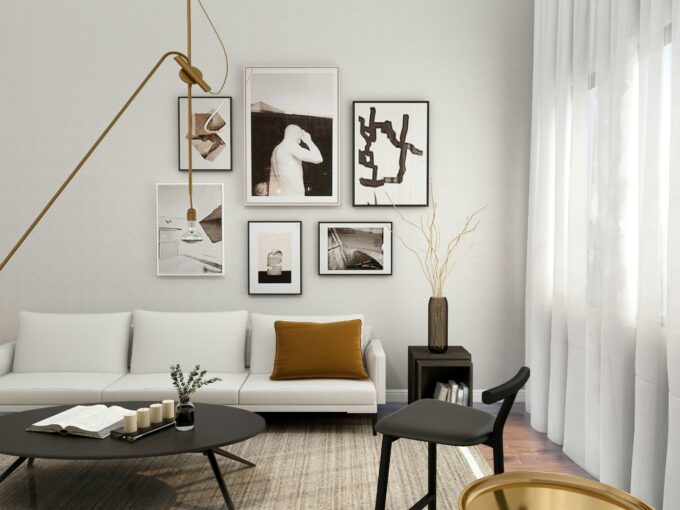

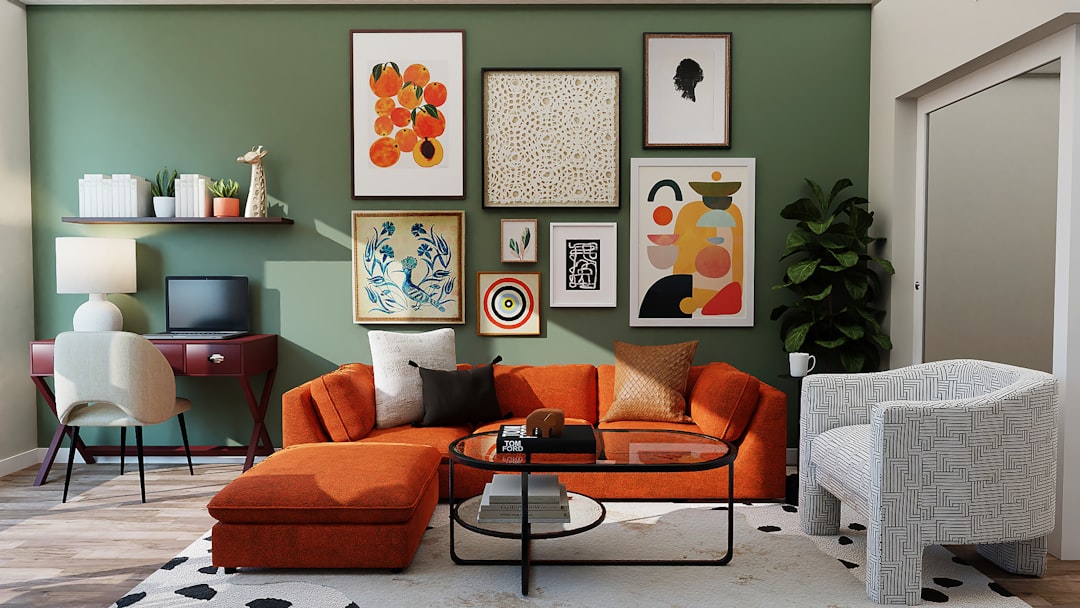
Interior Design Trends UK are currently undergoing a quiet revolution, moving away from the stark, clinical minimalism that defined the last decade and toward a more textured, soulful approach to living. I remember walking through a friend’s terrace in Islington last month, where the cold white walls had been replaced by a deep, ochre-washed plaster finish that seemed to catch the morning light in a way I had never seen before. It felt as though the house was finally breathing. We are collectively moving toward spaces that serve our personal needs rather than fulfilling a generic aesthetic mandate found on social media feeds.
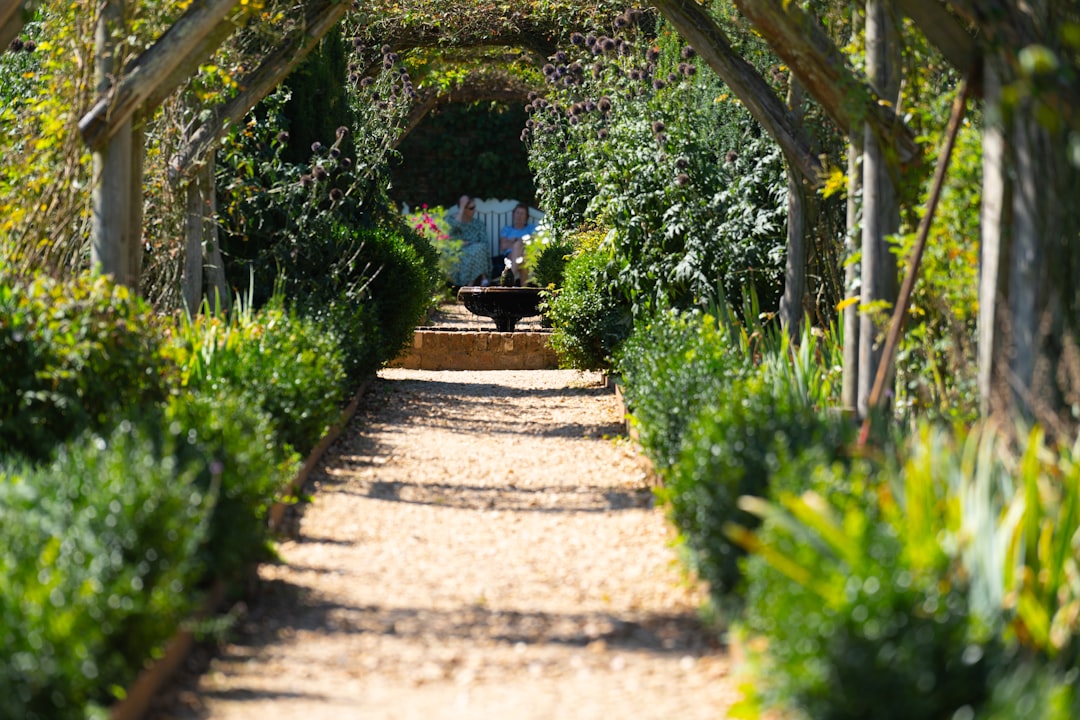
This shift is particularly evident in how we treat our living rooms and kitchens. Where we once prized open-plan sterility, we now crave defined zones that offer comfort and sensory engagement. You see it in the return of natural materials like terracotta, heavy linens, and raw timber, which provide a grounding element to the otherwise chaotic pace of modern life. There is a palpable desire for tactile surfaces that age gracefully, reflecting the reality of our day-to-day existence within these four walls. This evolution is mirrored in how we curate our external spaces, as seen in gardening trends that prioritise biodiversity over pristine lawns.
As we spend more time within our homes, the psychological impact of our environment has become impossible to ignore. The way we arrange our furniture and select our palettes is no longer just about fashion; it is about cognitive ease. Many people are now integrating dedicated zones for deep focus and rest, often necessitating a rethink of how we use our square footage. This is quite similar to the shifts we have observed in home office design, where functionality meets personal sanctuary. By softening the edges of our rooms with organic shapes and curved furniture, we are effectively lowering the baseline level of stress that a harsh, angular environment can inadvertently provoke.
The Evolution of Interior Design Trends UK

There is a distinct narrative forming around sustainability and the circular economy in British domestic life. It is no longer considered a compromise to source vintage pieces or upcycled furniture; instead, it is a mark of a discerning homeowner who understands the value of provenance. By layering antique chairs with contemporary lighting, one creates a dialogue between history and the present moment. This approach prevents the ‘show home’ effect, where rooms feel as though they were bought in a single afternoon from a catalogue. Instead, our homes are becoming collections of memories, bolstered by an increasingly sophisticated understanding of material science and environmental impact.
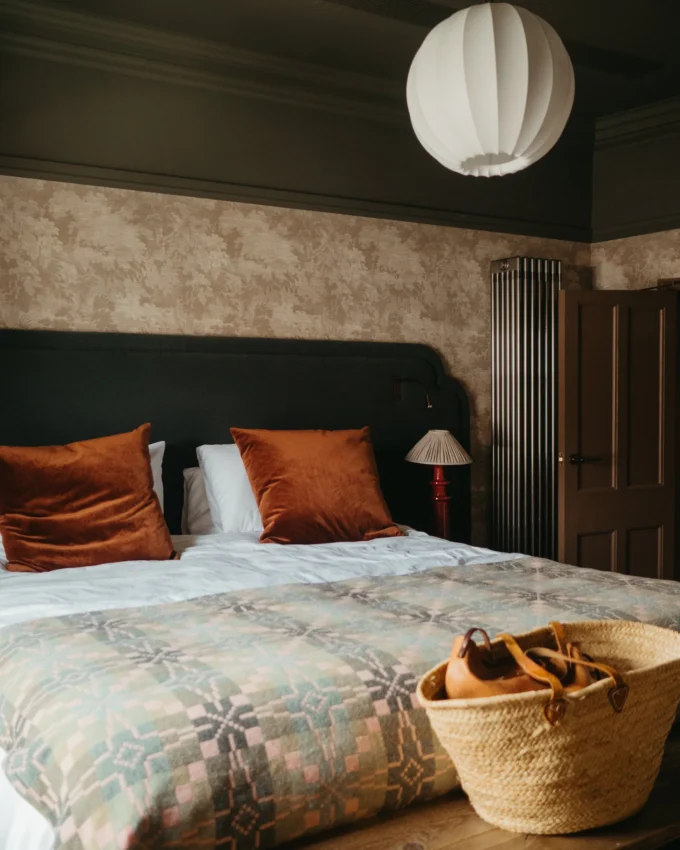
The colour palettes of the current season are particularly telling. We are seeing a move towards rich, earth-derived pigments like terracotta, sage, and deep navy, replacing the ubiquitous ‘greige’ of the previous era. These colours hold a weight that changes throughout the day, responding to the fickle nature of the British climate. When the sun retreats behind the clouds, these hues provide a sense of cocooning warmth that makes even the largest room feel intimate and protected. It is a mature approach to colour, one that acknowledges that a home should feel like a sanctuary against the unpredictable world outside.
Lighting, too, has become a primary focal point of interior design. We have long relied on overhead pendants to do the heavy lifting, but the current movement favours layered lighting schemes that mimic the softness of candlelight. Low-level floor lamps, wall sconces, and task lighting create a rhythm in the room, guiding the eye and creating pockets of shadow that add depth. It is these subtle adjustments that define the character of a space, making it feel less like a vessel for furniture and more like a curated environment for living. This philosophy of deliberate, thoughtful living extends far beyond our walls, influencing how we approach other aspects of our lives, such as financial wellbeing in an increasingly unpredictable economy.
Ultimately, these developments suggest a growing maturity in our collective taste. We are learning that the most successful interiors are those that do not try too hard, but instead prioritize the human experience. Whether through the inclusion of heritage pieces, the use of grounding colours, or the deliberate creation of zones that cater to our mental health, the goal remains the same: to build a home that offers genuine respite. It is an exciting period for British domesticity, as we finally learn to balance style with the essential need for comfort and lasting substance.