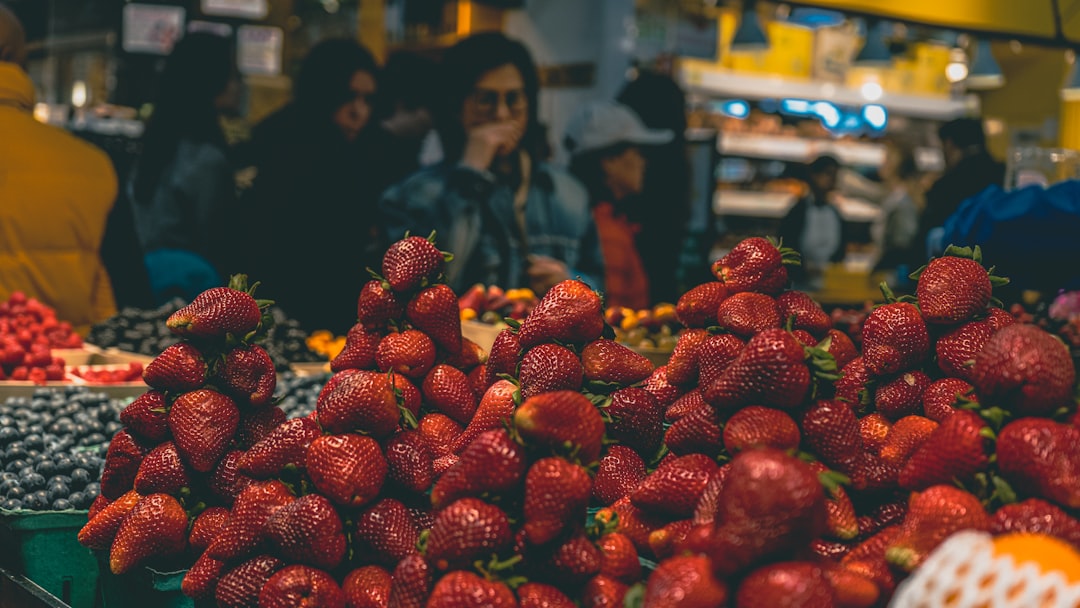


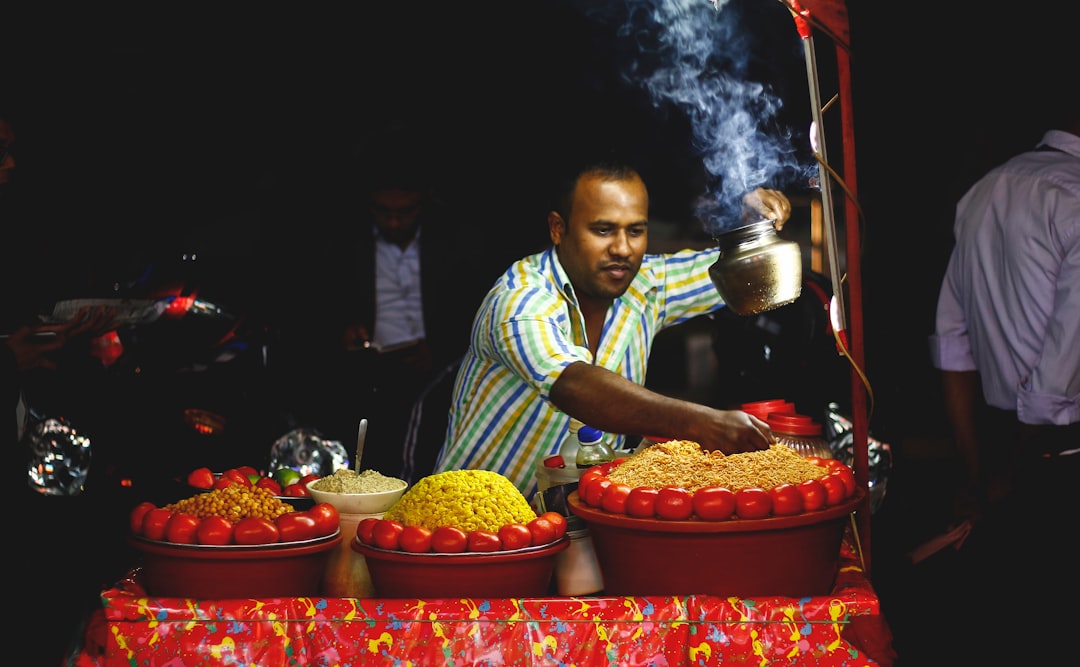
Street food in Britain now occupies a space somewhere between takeaway, market trading and restaurant dining. It can be a van at a weekly market, a stall in a permanent food hall or a small operator testing a menu before taking on the costs of a full premises.
That flexibility is part of its appeal. For customers, it makes trying unfamiliar dishes easier and often more casual. For traders, it can reduce some of the barriers involved in starting a food business, although licences, food-safety requirements, pitch fees, staffing and ingredient costs still matter.
Food markets as social spaces
The best street-food sites are rarely just collections of counters. Shared tables, open kitchens and changing traders give them a different rhythm from conventional restaurants. They can also give cuisines associated with migration and regional food traditions a visible place in the everyday life of a town or city.
It is worth resisting the idea that street food is automatically cheap, authentic or innovative. Some markets are highly commercial, some dishes are expensive, and the language of authenticity can flatten complicated food histories.
What has changed is the range of settings in which people expect to eat well. Good food no longer needs a dining room, tablecloth or reservation to be taken seriously. That shift has helped make markets and food halls a more established part of British urban leisure.
For diners, the pleasure is often simple: order from different places, share a table and decide what looks good when you arrive.