


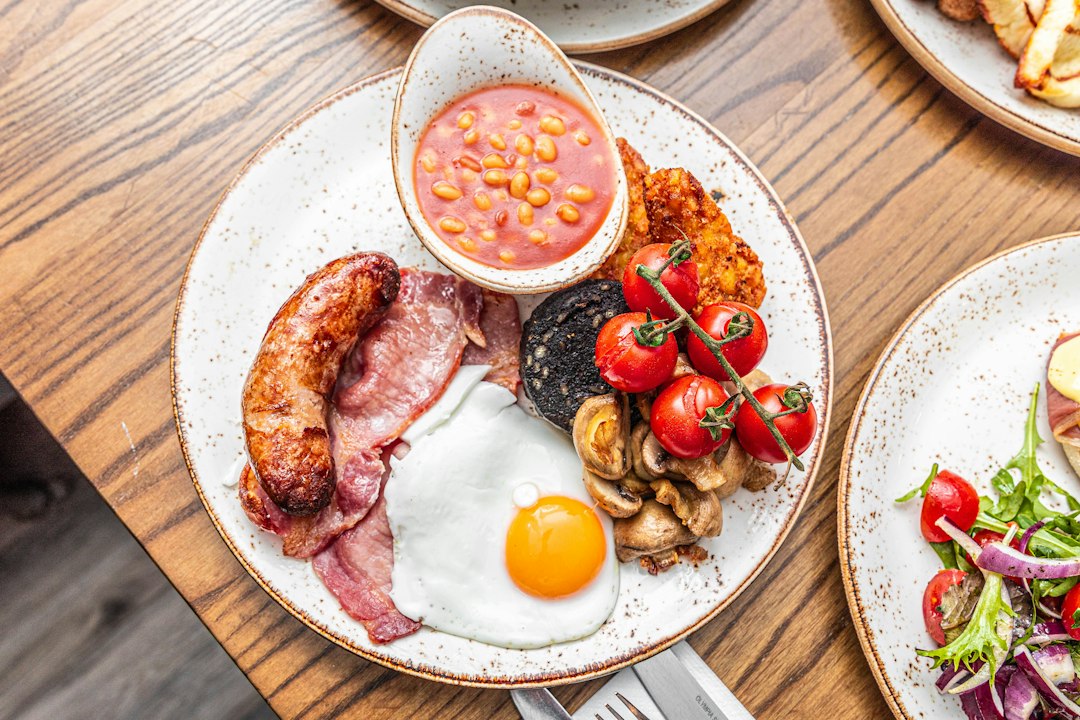
Sunday Farmers Breakfast traditions remind us that a morning plate is never merely food, but rather a cultural lens reflecting regional identity and social history. Across the United Kingdom, the first meal of the day shifts fluidly from modest weekday fuel into an elaborate weekend ritual. Archivists note that breakfast customs have long mirrored shifts in labour, domestic space, and class aspirations (British Library, 2021). Rather than a singular, static national dish, this plate reveals a patchwork of distinct local flavours.
To understand this morning culinary art, we must step away from uniform hotel buffets and look closer at how ingredients vary by geography. Historic England archives emphasize that regional trade routes and local agriculture shaped the architecture of the morning plate long before modern refrigeration (Historic England, 2020). Whether you are sitting in a bustling city greasy spoon or preparing a quiet kitchen table culture feast, context dictates everything from the choice of protein to the style of bread.
Regional Variations Across the British Isles
The English version leans heavily on crisp bacon, Cumberland sausages, grilled tomatoes, and field mushrooms. Move north across the border, however, and the Scottish variation introduces sliced square sausage, flaky haggis, and buttery tattie scones. Meanwhile, a traditional Welsh morning spread might feature cockles and laverbread, a briny seaweed specialty pan-fried until crisp. Northern Irish plates bring the legendary Ulster Fry into focus, complete with griddle-baked soda farls and potato bread that soak up the rich pan juices.
These distinctions are not accidental; they speak to centuries of local provision and working-class resourcefulness. Food historians point out that preserved meats and grains were essential for sustaining heavy manual labour in colder climates (British Library, 2021). Today, sourcing these artisanal elements often begins at bustling farmers markets where independent producers keep regional heritage recipes alive. You can explore more about these artisan connections through resources like Historic England to appreciate the deep roots of our morning traditions.
Cafés, Hotels, and the Modern Ritual
Eating out introduces a completely different atmosphere compared to cooking at home. The neighborhood greasy spoon offers an unpretentious, egalitarian space where bankers and builders sit side by side over identical mugs of strong tea. Hotels elevate the presentation with silver chafing dishes, yet the underlying composition remains a comforting homage to tradition. A Sunday Farmers Breakfast balances this commercial abundance with a nod to rustic simplicity, celebrating fresh eggs, heritage pork, and seasonal vegetables picked at their absolute peak.
- Crisp back bacon and thick-cut regional sausages
- Free-range eggs cooked to order with runny yolks
- Sourdough toast, soda bread, or fried potato farls
- Pan-roasted mushrooms and vine tomatoes
Ultimately, this morning feast remains a cornerstone of domestic hospitality and social connection. It asks for no apologies and requires no modern superfood moralising; it simply offers warmth, sustenance, and a deep sense of belonging.
References
British Library. 2021. Archives of British Culinary History and Domestic Life. London: BL Publishing.
Historic England. 2020. Regional Foodways and Heritage Landscapes of the United Kingdom. Swindon: Historic England Research Records.