

Small homes can be comfortable, attractive and well organised. They can also simply be small. Good design helps, but it should not be used to pretend that limited space is always a lifestyle choice or that clever storage solves every housing constraint.
In compact British homes, the most useful design decisions tend to be practical: circulation, storage, light, furniture scale and the ability for one room to perform more than one function.
Start with how the room is used
A fold-down table, storage bed or compact desk can be helpful when it responds to a real routine. Multi-functional furniture becomes less useful when it is awkward to move or requires constant rearrangement.
Vertical storage and built-in solutions can free floor space, but renters may have fewer options for permanent alterations. The best approach depends on tenure as much as taste.
Light matters more than decorating rules
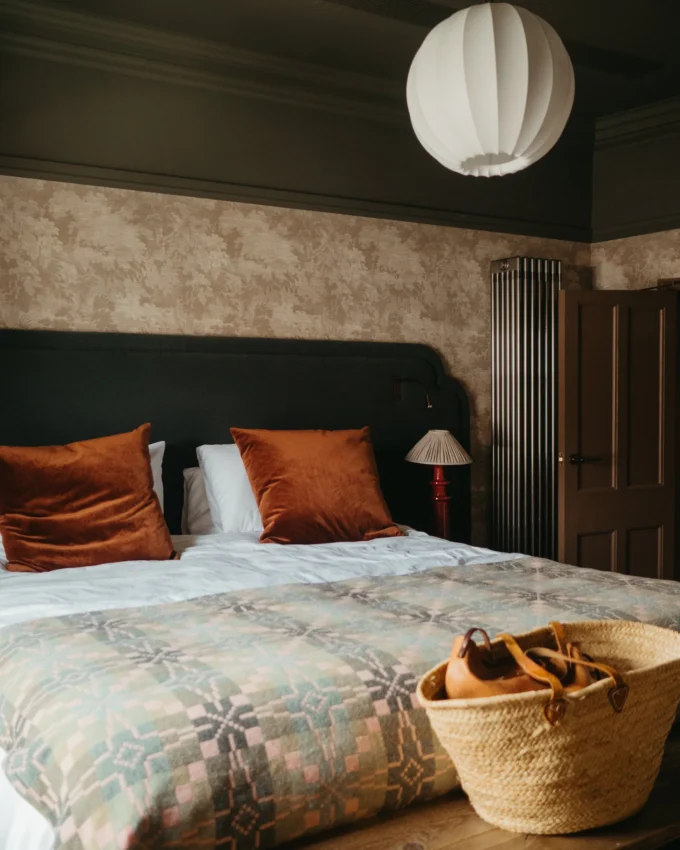
Light colours and mirrors can make some spaces feel brighter, but there is no universal rule that small rooms must be pale. Dark colour can work well when used deliberately. Window position, artificial lighting and the amount of visual clutter often matter just as much.
Working from a small home
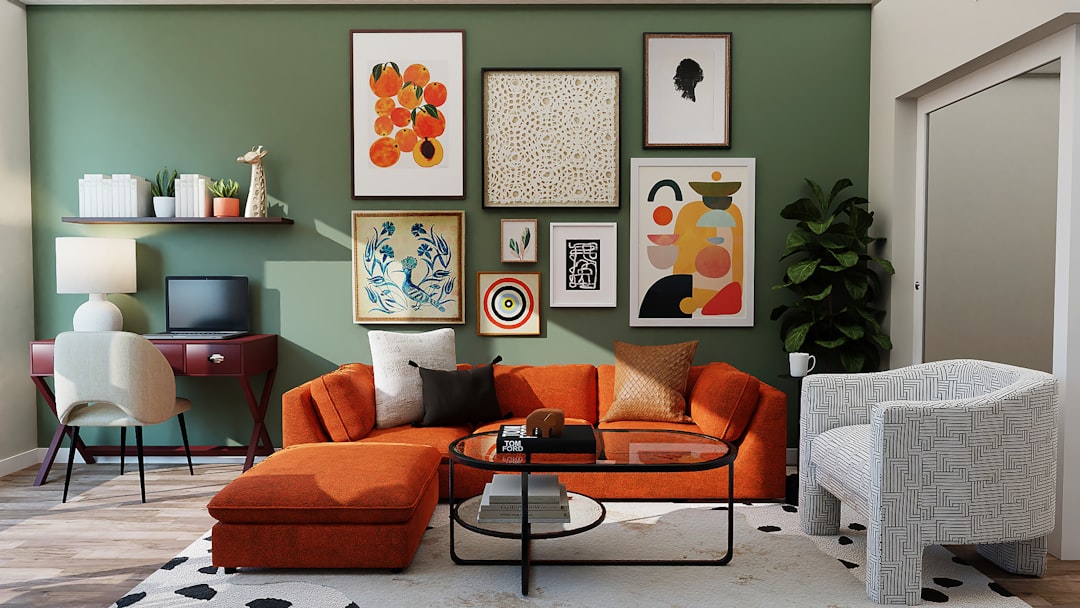
Remote and hybrid work have added another demand to many homes. A desk in a bedroom or living room may need to disappear visually at the end of the day, while noise and privacy can matter more than whether the workspace looks photogenic.
Good design cannot manufacture square metres
It is useful to celebrate ingenuity without romanticising overcrowding or housing pressure. A studio flat, compact terrace or small apartment can work beautifully when its size fits the people living there. When it does not, no storage basket or pale paint can remove that fundamental constraint.
Design works best when it improves the space that exists rather than pretending limitations are virtues.
Sources
- RIBA residential and small-space design guidance.
- GOV.UK Nationally Described Space Standard where technical space standards are discussed.
- ONS housing data for current dwelling and household context.