

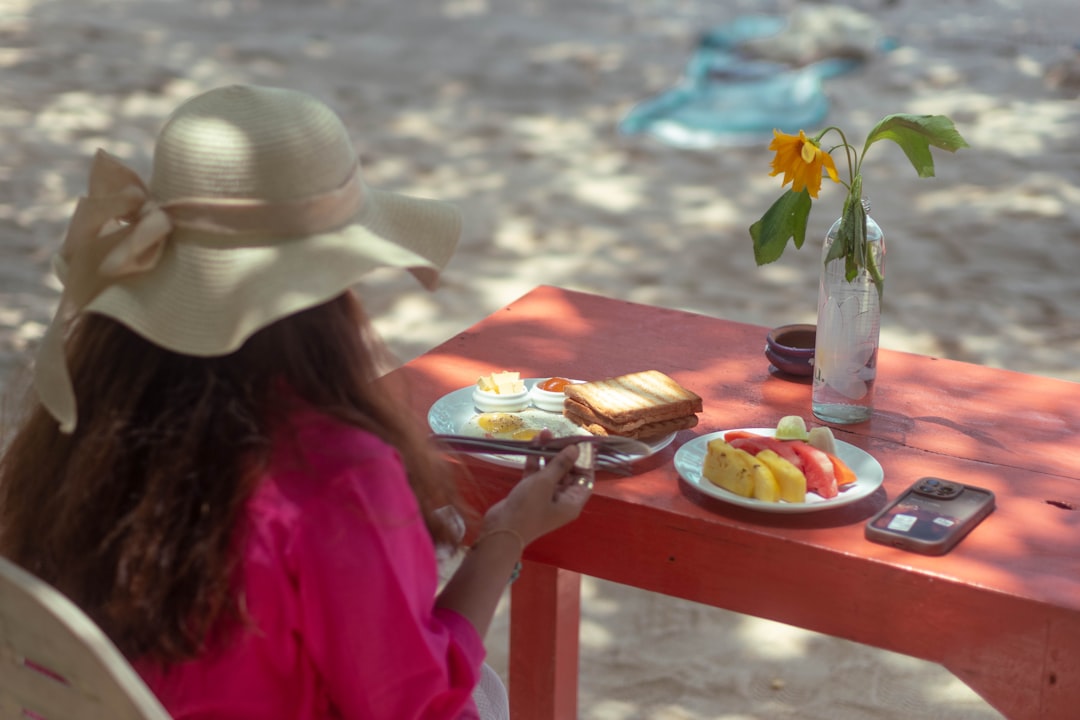
Eating alone can mean very different things. It may be a deliberate pleasure, a practical consequence of work and travel, or simply the ordinary reality of living by oneself. Treating solo dining as either sad or empowering misses most of what actually happens at a table for one.
In cafés and restaurants, lone customers are hardly unusual. Counter seating, small tables and casual service can make solo meals easy, but hospitality is not uniformly designed around individual diners. Some venues welcome them naturally; others still organise space and menus around pairs and groups.
The freedom of choosing for yourself
One advantage of dining alone is simple autonomy. There is no negotiation over cuisine, timing or how long to stay. A person can eat quickly, linger over a book or order exactly what they want.
That freedom should not be turned into a claim that solo meals produce deeper reflection or better appreciation of food. Sometimes dinner is just dinner.
Solitude is not the same as loneliness
Being alone and feeling lonely are different experiences. A person may enjoy a solitary lunch and still value shared meals. Equally, someone eating alone because of work, bereavement or social isolation may not experience the occasion as liberating.
Good writing about solo dining should leave room for both.
The hospitality question
Restaurants increasingly serve customers with varied household and social arrangements, but claims about a national surge in solo dining should be backed by current hospitality or consumer data. What can be observed more safely is that individual dining now sits comfortably alongside other forms of eating out in many British cities and towns.
A table for one does not need to symbolise independence or isolation. It can simply be one of the ways modern life is organised.
Sources
- ONS household data for current figures on people living alone.
- Current UKHospitality or industry data only for specific claims about dining behaviour.
- Use cultural observation rather than unsupported wellbeing claims.