

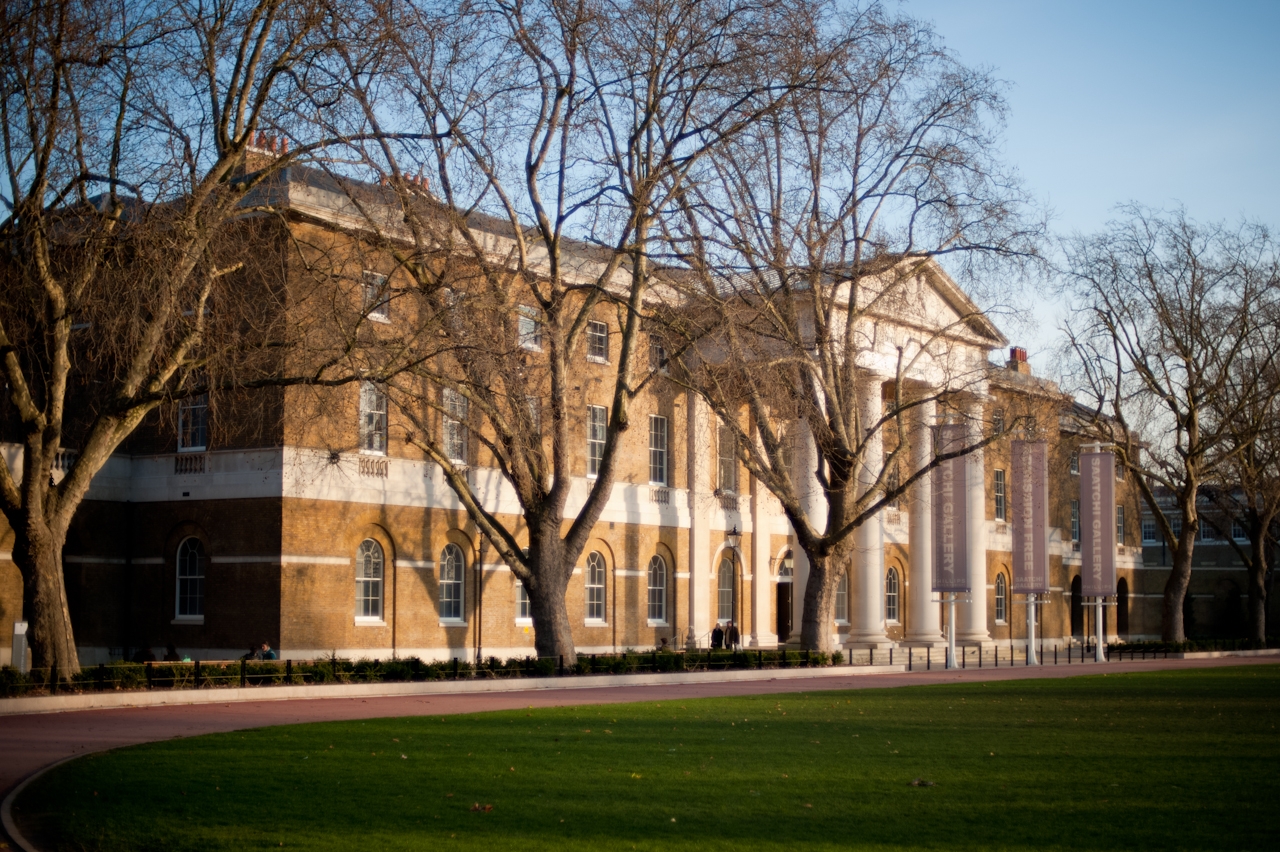
Flowers are among the most familiar images in art, which is exactly why they are easy to underestimate. FLOWERS – Flora in Contemporary Art & Culture at Saatchi Gallery used that familiarity as a starting point, bringing together photography, fashion, film, painting and other media to examine how floral imagery carries meanings far beyond decoration.
The strongest way to approach the exhibition is not as a celebration of prettiness, but as a study of repetition. Flowers appear in rituals of love, mourning, celebration, religion, fashion and domestic life. Artists can therefore use the same visual language to suggest fragility, sexuality, memory, abundance or loss.
Why flowers remain useful to artists
Botanical imagery has a long history in British visual culture, from scientific illustration and textile design to still life and fashion photography. Contemporary artists inherit that history but do not have to repeat it. A flower can be treated as specimen, symbol, pattern or cultural cliché.
That range is what makes a large thematic exhibition interesting. The subject stays recognisable while the meanings shift according to medium, context and artist.
From gallery wall to everyday life
Flowers also move unusually easily between art and ordinary experience. They appear in homes, gardens, ceremonies, clothing and advertising. That makes them useful for thinking about the boundary between fine art and visual culture.
The exhibition’s value lies in showing that familiar imagery can remain productive when artists question rather than simply repeat it. Flowers may be beautiful, but beauty is only one of the things they can do.
Sources
- Saatchi Gallery: official exhibition material for FLOWERS – Flora in Contemporary Art & Culture.
- V&A and Tate collections for botanical imagery, fashion and visual-culture context.