

Home Culture Independent Bookshops and the Human Work Behind the Shelves
Culture

Independent Bookshops and the Human Work Behind the Shelves

Independent Bookshops and the Readers Keeping Them Alive
Share

Independent bookshops are often described as endangered cultural sanctuaries. That image is appealing, but it can obscure the more interesting reality: they are working retail businesses whose cultural value depends on selection, service, events and the ability to build a local audience.

The UK independent bookselling sector has shown resilience in recent years, but that does not mean every shop is thriving. Rising costs, rent, staffing and competition remain real pressures. What independent shops can offer is not immunity from the market, but a different relationship with readers.

Curation is the real difference

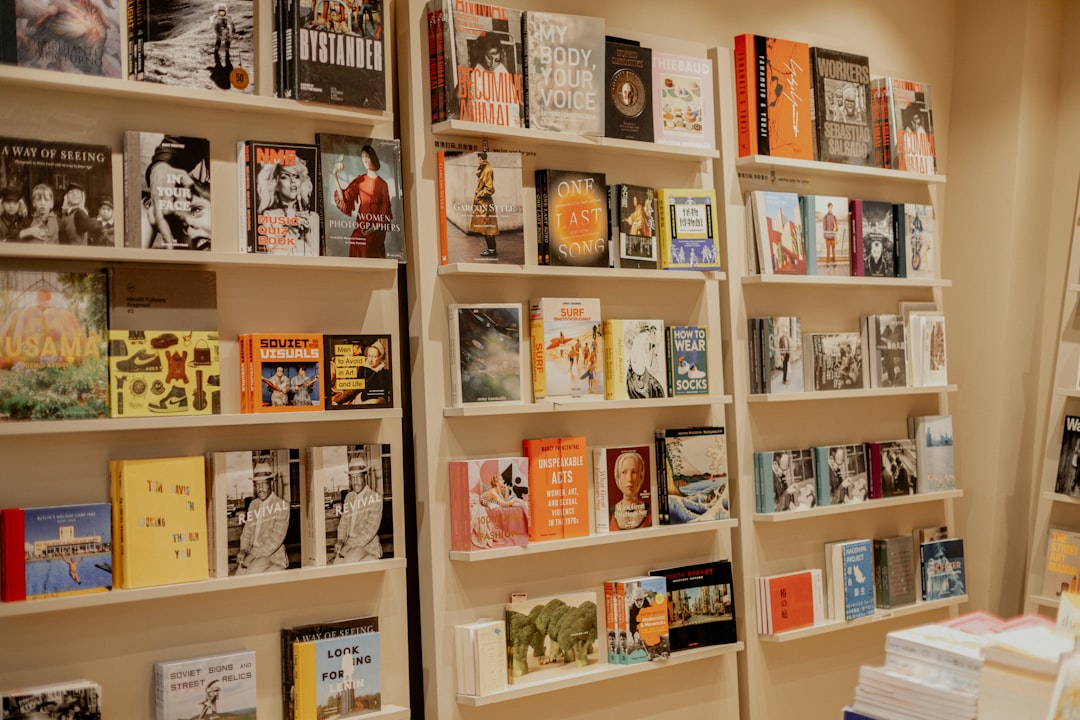
A small shop cannot stock everything, so selection matters. That limitation can become a strength when booksellers know their audience, champion local writers, build specialist sections or create displays that reflect a point of view.

That is different from claiming that every independent recommendation is better than an algorithm. The value lies in visible judgement: a reader can ask why a book is there, talk to a person and discover something outside a familiar pattern.

Bookshops as event spaces

Author talks, reading groups, children’s events and launches can turn a shop into more than a point of sale. They also require time, staff and organisational work. Community does not simply appear because shelves are present.

Current Booksellers Association material shows an active sector with hundreds of participating shops and a workforce that remains central to how these businesses function. The cultural argument for independent bookselling is strongest when it acknowledges that labour as well as atmosphere.

A high-street business with cultural weight

Buying locally can keep money within a local business, but readers make choices based on price, convenience, availability and habit. Independent bookshops survive by making the experience of visiting them worth the extra journey.

Their continued relevance rests less on nostalgia than on specificity: a particular selection, a particular neighbourhood and people who know how to put the right book into the right hands.

Sources

  • Booksellers Association: current UK and Ireland bookselling sector material and 2025/26 workforce survey.
  • Publishers Association and Nielsen BookData where current sales or market data is used.

Written by
Jonathan Reeve

Jonathan studied sociology at Durham before drifting into journalism through a student magazine he co-founded and never quite managed to shut down. He spent several years writing for a London-based culture weekly before going freelance. His work tends to examine the quieter shifts in British society — how attitudes change, how generations differ, what people value and why. He is a slow and deliberate writer who rarely publishes more than he needs to. He lives in Newcastle, follows non-league football with genuine passion and reads more than he lets on.

Editor's Pick

People

The School Run and Everything That Happens in Those Twenty Minutes

The school run begins long before anyone steps through the front door, often starting with the quiet click of a kettle and the...

Home

Maximalist Interiors and the Case for Having Exactly Too Much of Everything

Maximalist interiors begin not with an instruction manual or a shopping list, but with the quiet accumulation of a life lived in full...

Culture

British Landscape Painting and the Artists Still Finding New Ways to See Old Ground

British landscape painting has rarely been a simple exercise in passive observation; instead, it operates as a contested ideological space where national identity,...

Lifestyle

Downshifting and the People Who Traded Ambition for Something Quieter

Downshifting life begins the moment you realize that the ladder you have been climbing might be leaning against the wrong wall entirely. It...

Food

The Dinner Party and What Happens When People Actually Sit Down Together

The dinner party remains a fascinating social form that reveals much about how we live, connect, and negotiate our relationships in modern spaces....

Culture

Regional Accents and Why the Way We Speak Is Worth Protecting

Regional accents Britain communities rely on every day are much more than charming vocal habits or geographical souvenirs. They function as living, evolving...

Related Articles
British Landscape Painting and the Artists Still Finding New Ways to See Old Ground
Culture

British Landscape Painting and the Artists Still Finding New Ways to See Old Ground

British landscape painting has rarely been a simple exercise in passive observation;...

Regional Accents and Why the Way We Speak Is Worth Protecting
Culture

Regional Accents and Why the Way We Speak Is Worth Protecting

Regional accents Britain communities rely on every day are much more than...

The Village Fete and What a Very British Tradition Still Has to Say
Culture

The Village Fete and What a Very British Tradition Still Has to Say

The village fete remains a living local ritual rather than a frozen...

British Comedy and the Particular Kind of Darkness That Makes It Work
Culture

British Comedy and the Particular Kind of Darkness That Makes It Work

British Comedy Culture operates not as a singular monolithic monolith of national...