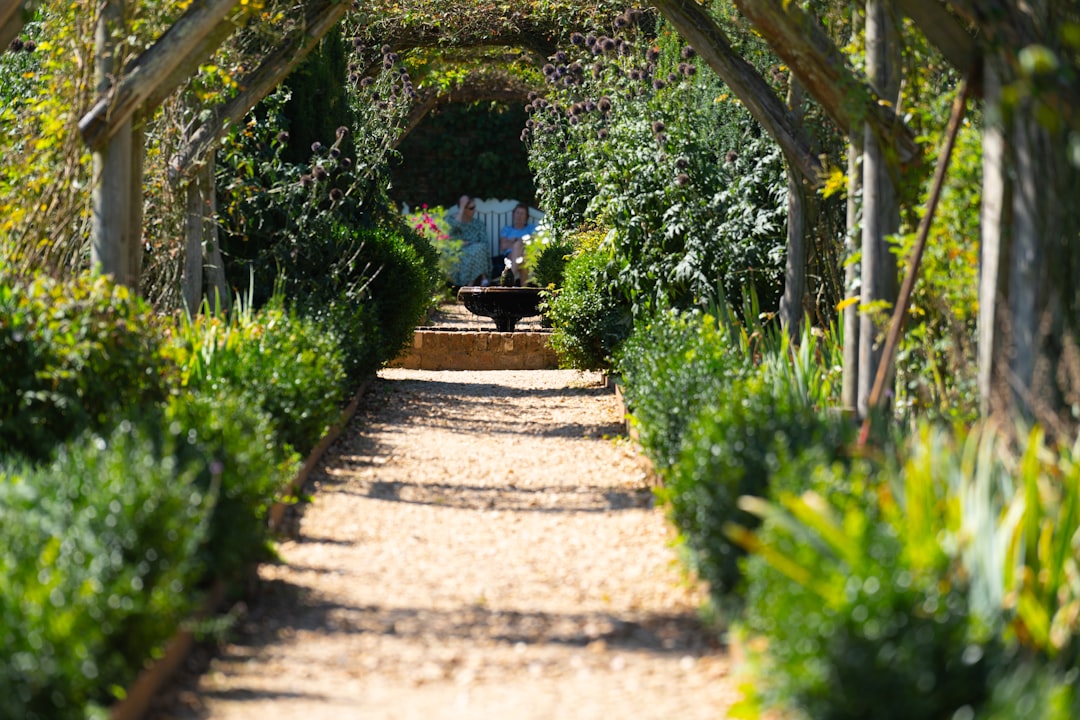


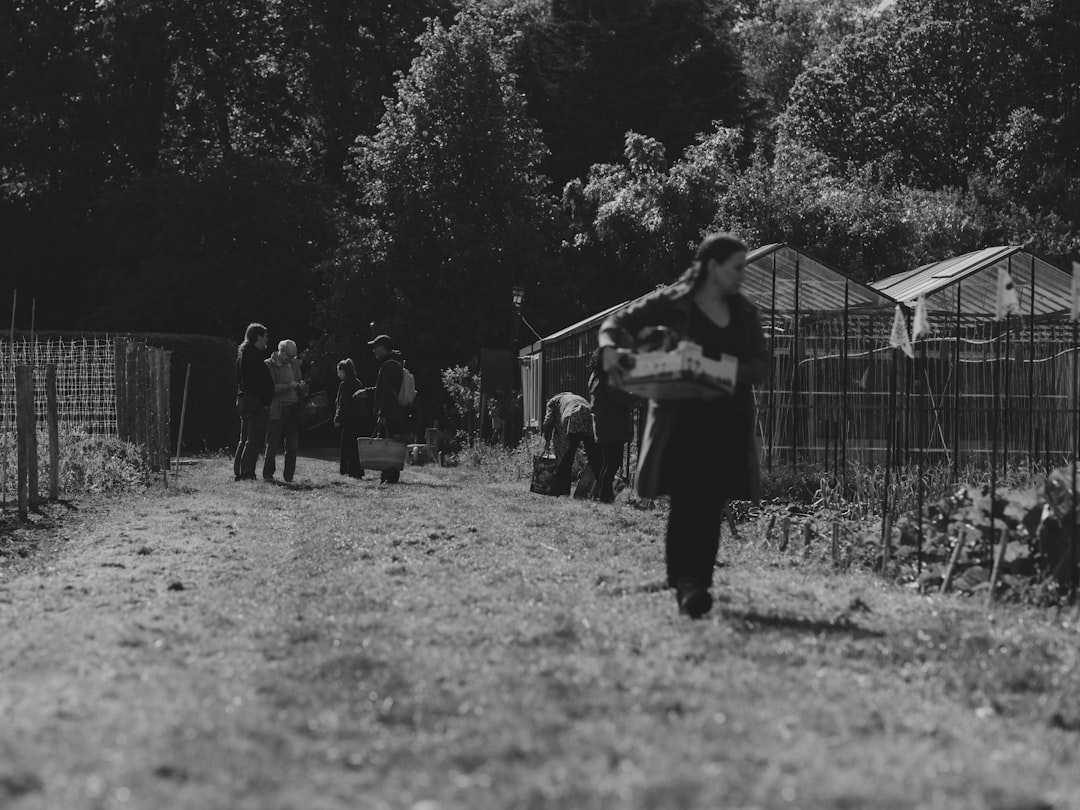
Community gardens are easy to romanticise. A few raised beds, a shed and a line of beans can quickly become shorthand for neighbourliness, wellbeing and a greener city. The reality is more interesting because these spaces are not automatically harmonious. They work when people share land, labour, decisions and responsibility.
In British towns and cities, community growing can take many forms: volunteer-run gardens, shared plots on housing estates, school gardens, therapeutic horticulture projects and spaces attached to charities or local organisations. They differ from allotments, where individuals usually rent defined plots, although the two can overlap socially.
More than a harvest
The strongest value of a shared garden is often practical. People learn from one another, swap seedlings, divide watering duties and discover which crops survive a particular patch of soil. Children see food growing before it reaches a supermarket shelf. Experienced gardeners pass on techniques that are difficult to learn from a short online tutorial.
There can also be a social benefit, but it should not be overstated. A garden cannot manufacture community simply by existing. Some projects struggle with funding, volunteer fatigue, unclear ownership or disagreements over how space should be used. Others become durable local institutions precisely because those problems are negotiated over time.
Urban green space with real constraints
Gardens can support pollinators and provide pockets of vegetation in built-up areas, especially when planting is varied and pesticide use is limited. The Royal Horticultural Society provides extensive guidance on wildlife-friendly and community gardening, but biodiversity claims should remain specific to the way a site is managed rather than applied to every garden automatically.
Access matters too. A locked garden used by a small group is different from an open community space. Raised beds, paths, seating and clear rules can make participation easier for people with different ages and levels of mobility.
The value of doing something together
What community gardens offer most reliably is a shared task. Watering, composting, pruning and repairing a broken bed give people a reason to return to the same place and encounter one another repeatedly. Those repeated encounters can create familiarity, and familiarity can sometimes become trust.
That is less dramatic than saying gardens transform neighbourhoods, but it is also more believable. A successful community garden is not a sanctuary outside ordinary life. It is ordinary life, with muddy shoes, missed watering shifts and courgettes that arrive all at once.
Sources
- Royal Horticultural Society: community gardening and wildlife-friendly gardening resources.
- Local authority and community-garden project sources should be used for any named examples.