
A new cultural venue opens in Durham on 22 August, bringing contemporary art, local history and a restored museum building back into public use. The Light, created from the former Durham Light Infantry Museum and Art Gallery, begins its programme with Victory Over the Sun: Encounters With Light, an exhibition built around artists who use illumination as material, subject and metaphor.
The opening is significant not simply because another gallery has joined Britain’s cultural map. It also returns a building that had been closed for roughly a decade to public life, while giving County Durham a larger space capable of presenting nationally and internationally recognised work.
A new role for a familiar building
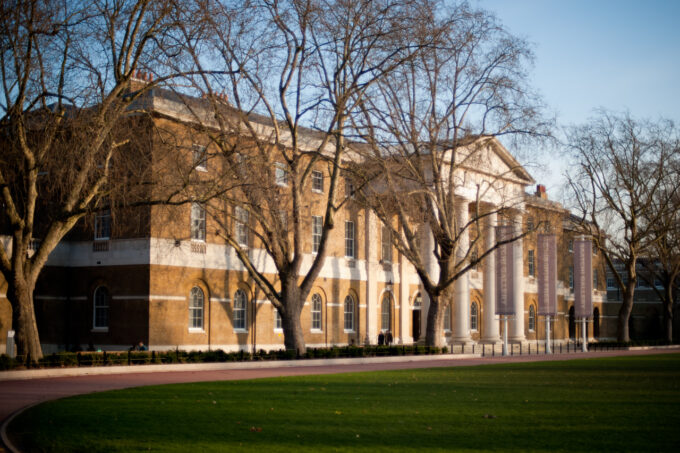
The Light occupies the former Durham Light Infantry Museum and Art Gallery at Aykley Heads. Durham County Council had previously set out plans to repurpose the building as a gallery, exhibition and café venue while retaining dedicated space for the Durham Light Infantry collection.
The wider ambition was to create a venue able to host significant temporary exhibitions while keeping the building connected to local heritage. That balance matters in a city where cultural regeneration can easily become detached from the communities and histories that gave a place its identity.
The opening exhibition provides a clear statement of intent. According to The Light’s official programme, Victory Over the Sun runs from 22 August 2026 to 17 January 2027 and includes work by Tracey Emin, Olafur Eliasson and Steve McQueen.
Light as more than decoration
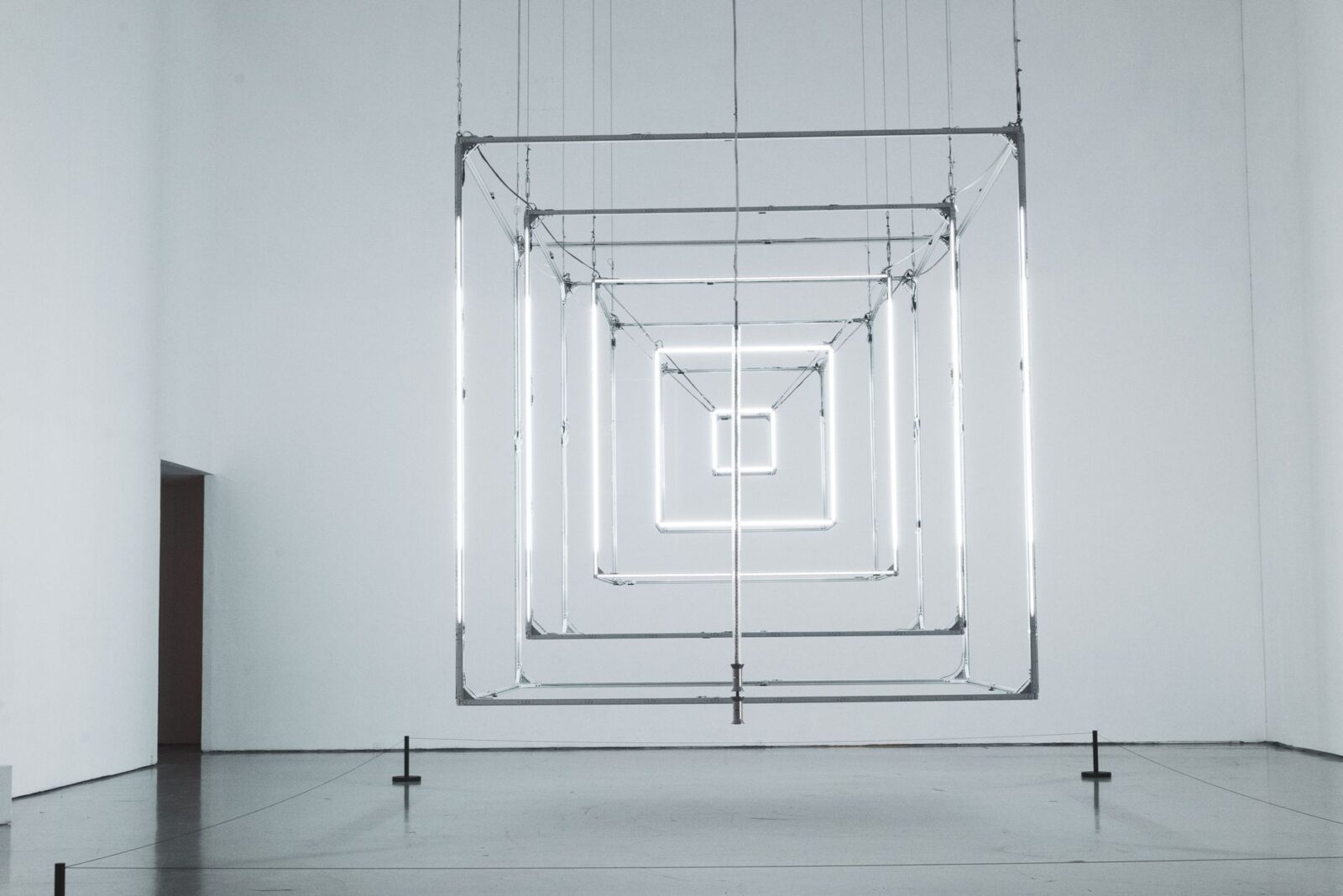
The exhibition is organised around a simple but expansive idea: light can be treated as an artistic medium in its own right. Rather than functioning only to illuminate an object, it can shape atmosphere, alter perception and create an emotional or political response.
That makes the choice of an opening exhibition especially apt for a venue called The Light. The programme asks visitors to consider artificial light as material, message and metaphor, drawing together artists whose practices approach those questions in very different ways.
The Guardian, in a report published ahead of the public opening, described the venue as part of a broader effort to bring ambitious contemporary art beyond the country’s traditional metropolitan centres. Its report also noted that the redevelopment represents a £17 million investment and that the opening display includes internationally recognised names alongside a renewed presentation of military heritage. The Guardian’s coverage places the project within a wider debate about where major cultural experiences are located in Britain.
Why regional cultural spaces matter
For visitors, the immediate attraction is the art. For Durham, the longer-term question is whether the venue can become part of everyday cultural life rather than simply a destination for occasional major exhibitions.
Regional galleries can play several roles at once. They bring nationally significant work closer to local audiences, create opportunities for artists and cultural workers outside London, and give visitors another reason to spend time in a city. They can also provide a place where local history and contemporary culture sit beside one another rather than being treated as separate worlds.
The Light’s programme appears designed with that mixture in mind. Alongside the headline exhibition, the venue is advertising artist-led workshops and public activities, suggesting an attempt to build participation around the gallery rather than relying solely on large touring shows.
An opening with a clear cultural argument
The strongest idea behind The Light may be its refusal to choose between heritage and contemporary culture. The building’s military history remains present, but the new venue is also being asked to support a more outward-looking cultural programme.
That combination gives the opening a broader relevance beyond Durham. Across Britain, cultural institutions are being asked to justify their value not only through visitor numbers but through local participation, education, creative employment and their contribution to a sense of place.
With Victory Over the Sun, The Light begins with an exhibition whose subject is transformation itself: how something familiar can be altered by the way it is illuminated. For a long-closed building returning in a new form, the metaphor is difficult to miss.