

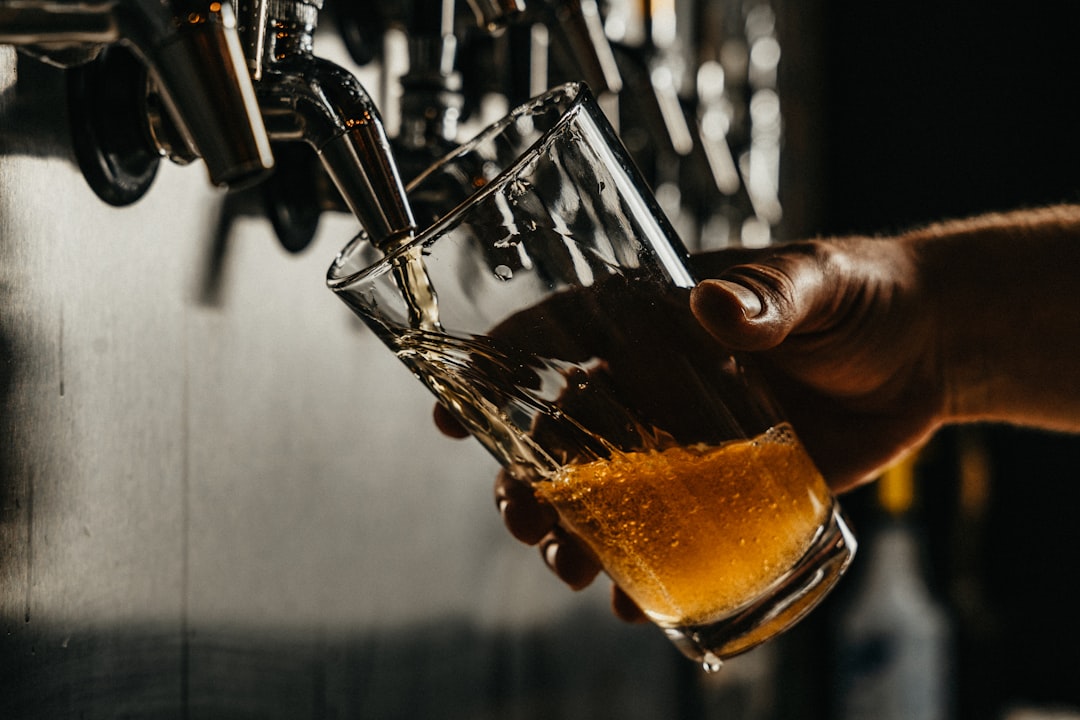
Craft Beer Culture has slowly yet radically rewritten the sensory landscape of British high streets, turning industrial railway arches and sleepy market towns into unexpected sanctuaries of experimental fermentation. There is a distinct, low hum of conversation that spills out onto cobblestone pavements every Friday evening, signaling a quiet revolution in how communities gather over a pint. Gone are the days when a standard evening out meant choosing between a handful of indistinguishable, mass-produced lagers. Instead, independent producers are offering complex flavour profiles built on heritage grains, aromatic hops, and a profound respect for regional identity.
Walking into a modern independent taproom feels entirely different from stepping inside a traditional Victorian drinking establishment, though both share a deep-rooted love for social connection. These spaces often double as cultural hubs, hosting local art exhibitions, charity quiz nights, and pop-up kitchens that champion street food culture. You notice the warm amber lighting bouncing off stainless steel brewing vessels tucked just behind the bar, reminding every visitor that the product in their glass was born mere yards away. It is an honest exchange of hospitality that fosters genuine conversations between the brewers and the curious drinkers who support them.
The Evolution of Regional Identity and Independent Brewing

Britain has always possessed a proud relationship with fermentation, but recent years have seen a decentralization of brewing power away from corporate monopolies. Independent workshops and micro-breweries are deeply tied to the economic pulse of their local boroughs, breathing new life into neglected urban spaces. According to recent data from the Society of Independent Brewers and Associates (SIBA, 2023), independent enterprises continue to form the backbone of local manufacturing economies, providing sustainable employment and fostering a tangible sense of civic pride across various regions.
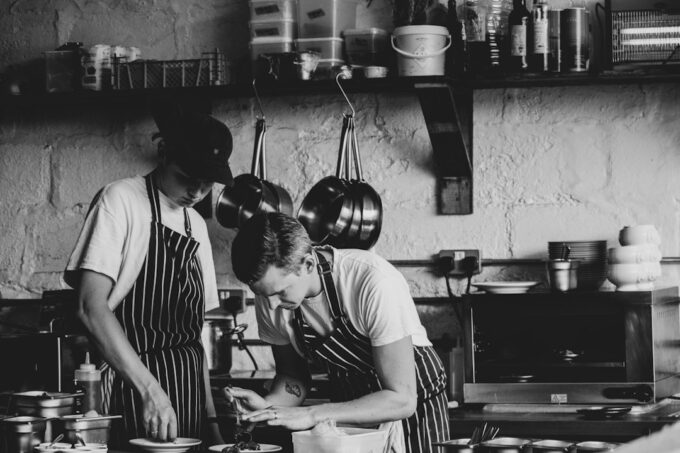
This localized approach extends far beyond mere aesthetics; it shapes the very character of what ends up in our glasses. Brewers experiment with foraged botanicals, seasonal British fruits, and heritage malts that tell a story of the surrounding landscape. Much like the careful dedication found in home baking, modern fermentation relies on patience, intuition, and an uncompromising commitment to raw ingredients. Drinkers are no longer passive consumers; they are active participants in a culinary movement that values small-batch craftsmanship over homogenous efficiency.
Navigating the Tension Between Craft Credibility and Commercial Scale
As independent operators grow in popularity, a natural tension emerges between maintaining underground credibility and scaling up to meet commercial demands. Many purists worry that corporate acquisitions and supermarket distribution deals might dilute the experimental spirit that made the movement so captivating in the first place. Yet, consumer loyalty remains fiercely tied to authenticity, with many patrons actively seeking out genuinely independent makers who prioritise community over shareholder returns. Organisations such as the Campaign for Real Ale (CAMRA, 2023) consistently highlight the vital importance of protecting independent pubs and regional producers from the pressures of industry consolidation.
For those looking to explore this dynamic world, navigating the options can be both exciting and overwhelming. Consider these practical ways to engage with the movement responsibly:
- Visit local taprooms directly to speak with the staff about their brewing process and ingredient sourcing.
- Look for independent accreditation seals on bottles and cans to ensure your money supports grassroots businesses.
- Attend regional cask festivals that celebrate traditional brewing techniques alongside modern innovations.
- Pair your pints with locally sourced snacks or meals inspired by the british food markets revival.
Ultimately, the ongoing transformation of our drinking habits is about much more than just flavour; it is about reclaiming local spaces and supporting the people behind the bar. Whether you are settling in for a quiet solo afternoon or sharing a flight of experimental IPAs with old friends, every sip reflects a broader dedication to community resilience. Independent makers will undoubtedly face economic challenges ahead, but their creative spirit and deep local roots suggest they are here to stay.
References
- CAMRA (2023). Industry reports on UK pubs, consumer habits and independent brewing traditions.
- Society of Independent Brewers and Associates (SIBA, 2023). Local economic impact and brewery sector data reports.