


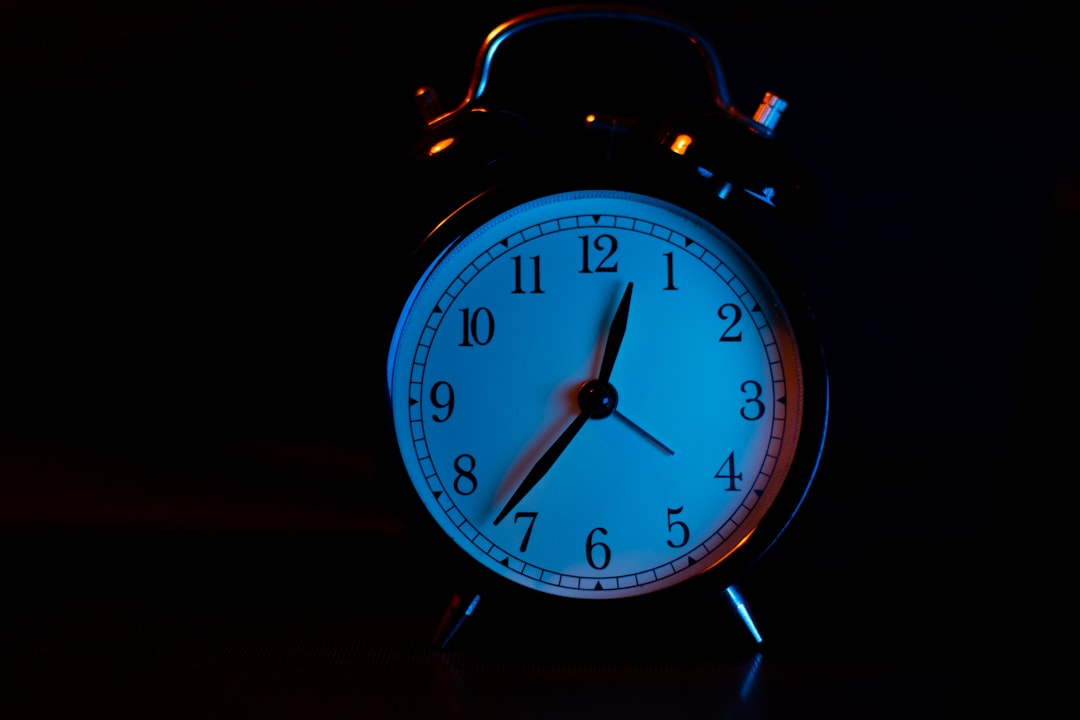
Evening routines begin the moment the front door closes and the heavy coat is hung on the peg, marking that quiet boundary between our public duties and private lives. We have all stood in that dim hallway, listening to the muffled sounds of the street, wondering how to shed the residual weight of the working day. This transition is rarely clean or immediate, often taking place in stages as shoes are kicked off and kettles are filled. It is a deeply human pause, a collective breath taken across towns and cities as millions of people attempt to realign themselves with their own homes.
For some, these crucial hours after five o’clock serve as an essential space for gentle decompression rather than strict self-improvement projects. According to the ONS Time Use Survey, a significant portion of this post-work window is naturally dedicated to quiet resting, watching television, and eating with family or flatmates. Rather than rushing off to a fitness class or opening a textbook, many of us simply need to sit quietly and let the nervous system settle. It is worth remembering that slowing down without turning rest into another chore is an art form in itself. We do not need a rigid framework to validate how we spend our evenings, provided we feel a sense of genuine relief.
Domestic responsibilities and caring duties inevitably fill the hours for a vast number of households, leaving very little room for idle daydreams or elaborate hobbies. Parents find themselves navigating the spirited chaos of bedtime stories, loaded washing machines, and preparing meals while simultaneously answering lingering work emails. These moments are less about finding personal bliss and more about sustaining the rhythm of shared domestic life. Cultural observation reveals that our modern work-life balance in Britain often struggles under the immense pressure of rising living costs and housing anxieties. When living spaces feel tight and precarious, even basic evening relaxation becomes entangled with underlying financial stress.
The Quiet Architecture of the Night
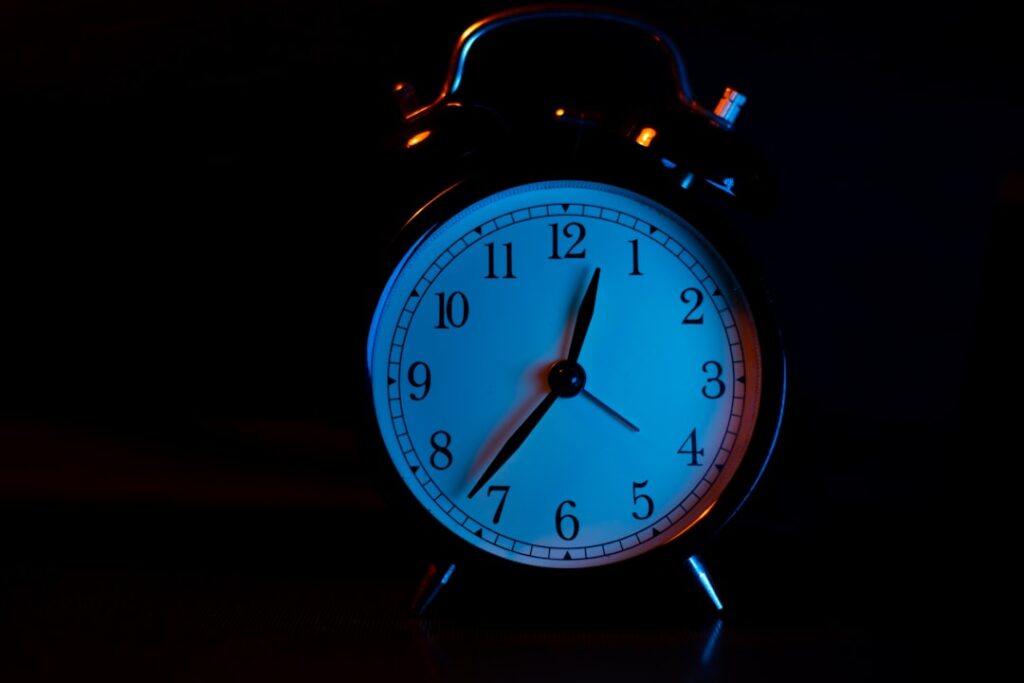
As the house finally grows dark and the noise of the neighborhood fades, our relationship with the evening shifts toward solitude and preparation for sleep. It is entirely normal to seek comfort in familiar television series, engrossing novels, or telephone calls with distant friends who understand our fatigue. These varied pursuits offer a much-needed mental buffer against the uncertainties of tomorrow. When evaluating sleep health, the NHS sleep guidance notes that establishing a consistent wind-down period and minimizing late-night screen exposure can support better rest quality. However, distinguishing these evidence-based physiological recommendations from lifestyle commentary is important, because rigid routines can easily become another source of quiet anxiety (NHS, 2023).
Ultimately, evening routines are not moral scorecards designed to measure our productivity or discipline after dark. They are simply the containers we use to hold our exhaustion, our small joys, and our private thoughts at the end of a long day. Whether your night involves cooking an elaborate meal, scrolling aimlessly on the sofa, or staring out at the rain against the windowpane, it belongs entirely to you. These unassuming hours are where we quietly gather ourselves back together, preparing to face the morning light all over again.
References
Office for National Statistics. (ONS Time Use Survey).
National Health Service. (NHS sleep guidance, 2023).