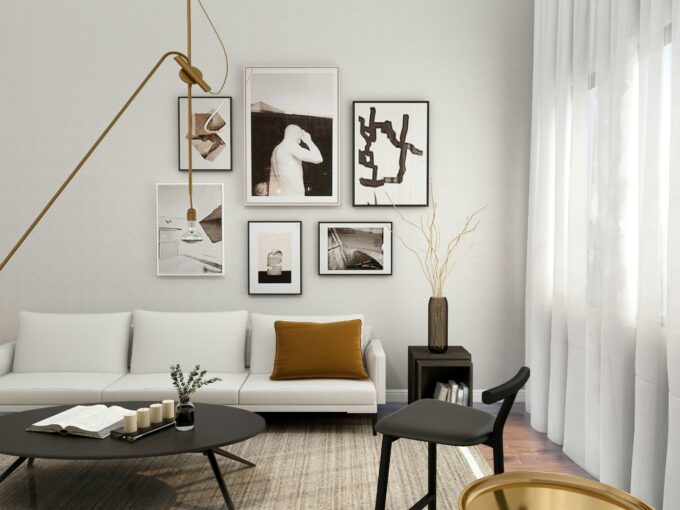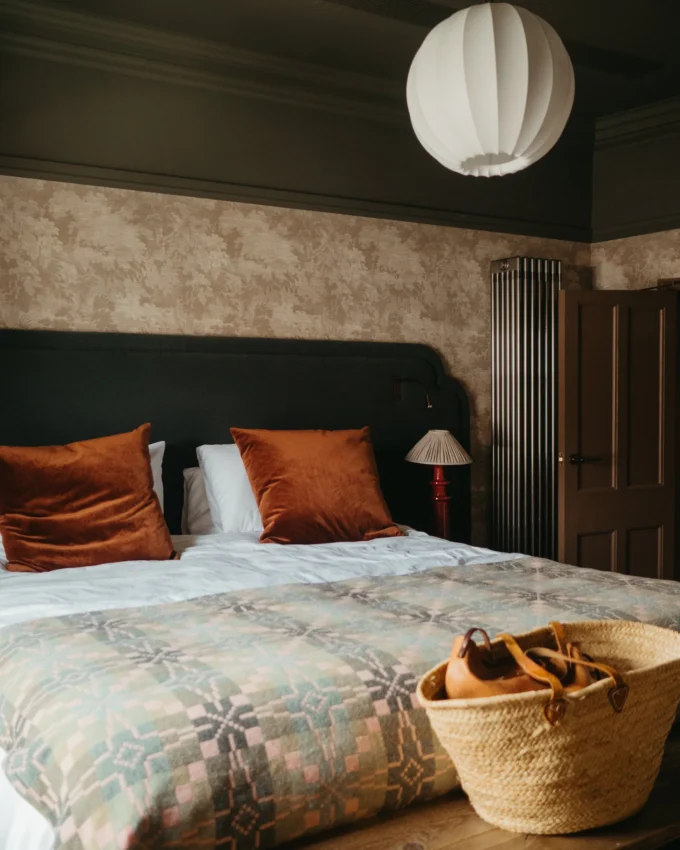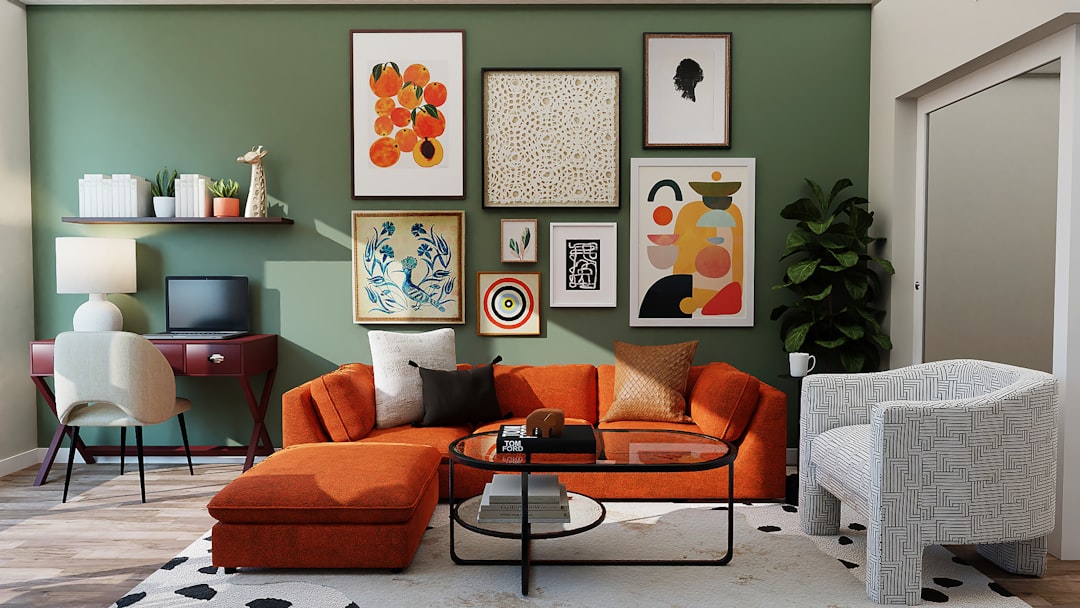


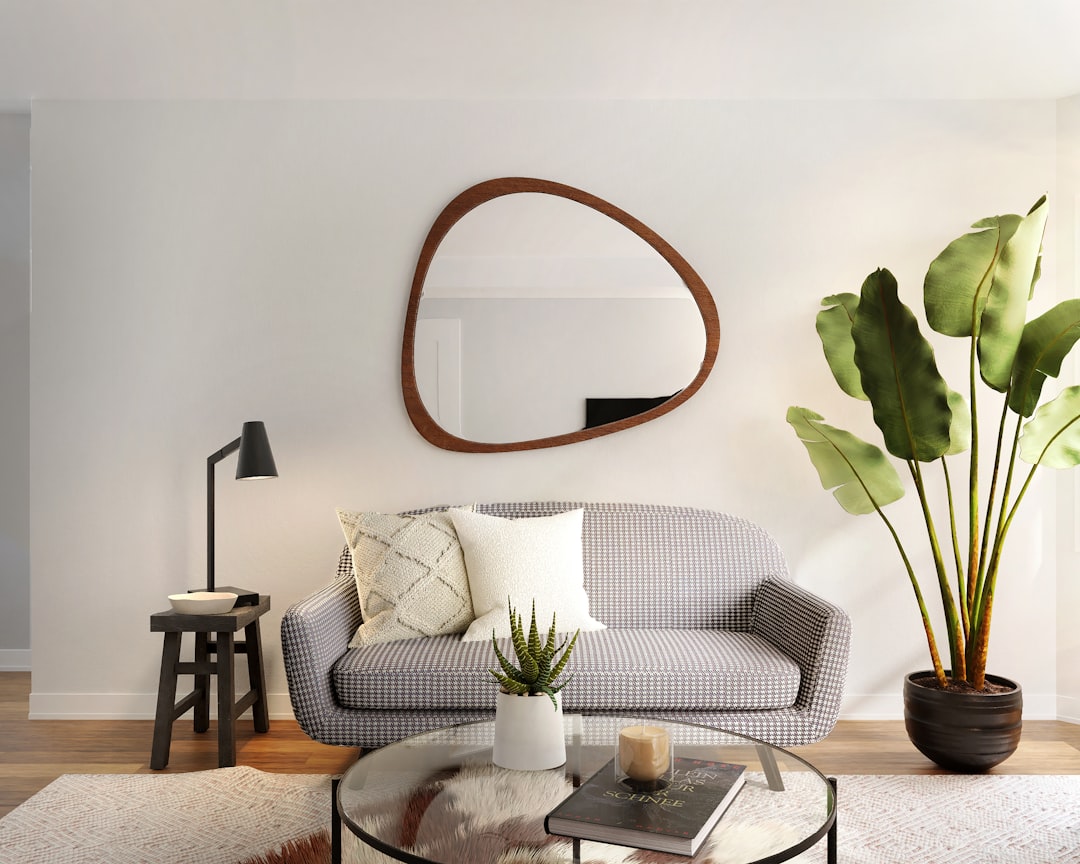
Home Office Design UK trends have shifted dramatically as the nation reconciles the professional demands of a globalised economy with the intimate, often confined realities of domestic living. For years, the kitchen table served as a temporary placeholder for the laptop, a makeshift desk defined by the fleeting nature of the lockdown era. Now, as the novelty of remote work has curdled into a permanent fixture of our daily lives, there is a collective desire to establish a boundary that separates the sanctuary of the home from the relentless hum of the office. We are no longer merely surviving; we are carving out deliberate, aesthetic, and functional corners that reflect who we are when we aren’t tethered to a corporate cubicle.
The transformation begins with light and orientation. In many Victorian terraces or twentieth-century semis, the challenge is not just one of space, but of atmosphere. The best iterations of financial wellbeing initiatives often start here, by creating an environment where one feels both empowered and rested. By placing a desk near a window, we borrow the natural rhythm of the day, letting the sun dictate the tempo of our productivity. It is a simple shift, yet it changes everything. When the afternoon light hits the desk, the work itself feels less like a chore and more like a craft.
The Psychology of Workspace Boundaries

Psychologically, the importance of a dedicated zone cannot be overstated. When we inhabit the same chair for breakfast, emails, and dinner, our minds struggle to transition between the distinct modes of existence that define a healthy adult life. Many have begun to treat their workspace as a physical manifestation of a mental switch. A physical room, or even a partition in a corner, serves as the gatekeeper. When we leave that space, we are truly finished. We close the laptop, tidy the papers, and transition back into the role of parent, partner, or friend. This separation is vital for maintaining a sense of self that exists independently of the projects we manage.
The aesthetic choices we make within these rooms are increasingly personal. Gone are the days of sterile, grey plastic furniture that felt like it had been imported from a nondescript office park. Today, the focus is on tactile materials and warm, grounded tones. Oak, wool, and linen have replaced the cold edges of industry. There is a concerted effort to introduce plant life, not just for the sake of decoration, but to soften the hard edges of technology. A workspace that contains a living, breathing thing feels less like a prison of data and more like a library of thought. We are finding that when we surround ourselves with objects we truly appreciate—a favourite ceramic mug, a vintage desk lamp, or a well-worn chair—our engagement with our tasks deepens.
Designing for Long-Term Comfort
Efficiency in this context is not about squeezing in as much hardware as possible. Instead, it is about the ergonomics of comfort, ensuring that our bodies are supported through long hours of focused effort. The Health and Safety Executive provides guidelines that remind us how poor posture is the silent thief of professional longevity. Beyond those clinical requirements, however, lies the deeper need for comfort that speaks to the spirit. An ergonomic chair is a necessity, yes, but its fabric and shape should align with the character of the room. It is possible to marry clinical support with high-end design, and that marriage is where the most successful setups are born.
We are seeing a trend toward the “invisible office” in smaller homes, where furniture is designed to fold away or blend seamlessly into the decor once the working day concludes. This clever use of space allows for a duality that was once thought impossible. A chest of drawers might reveal a sliding desk, or a cabinet might conceal the chaotic tangle of charging cables and monitors. This level of intentionality respects the sanctity of the home, acknowledging that our houses were first and foremost places of rest, not engines of industry. It is a rebellion against the idea that we must live within a workspace rather than working within a living space.
Cultivating a Creative Atmosphere
As we refine our environments, we are noticing that the quality of our work often mirrors the quality of our surroundings. If the desk is cluttered, the mind follows suit. If the room is dark and cramped, our thoughts become heavy. By prioritising the visual and tactile elements of our rooms, we are investing in our ability to think clearly. Many professionals are now curating their walls with art that inspires them rather than posters that instruct. It is a shift toward personalisation that has been long overdue in the world of work. We are rediscovering the joy of having tools that feel like extensions of our own hands rather than alien implements of corporate control.
The ultimate goal of this movement is to create a rhythm that serves the individual rather than the clock. By designing these spaces with such care, we are reclaiming the time that was once lost to commuting or the aimless drift of digital distraction. We are setting boundaries that protect our peace and our energy. As the boundaries between the home and the office continue to blur in society, the physical effort we put into defining those spaces becomes an act of self-care. It is a way of saying that even in an age of constant connectivity, there is still room for a private life that is distinct, intentional, and entirely our own.