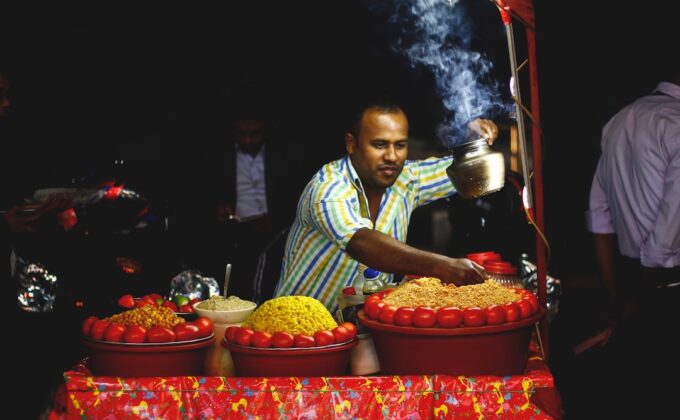


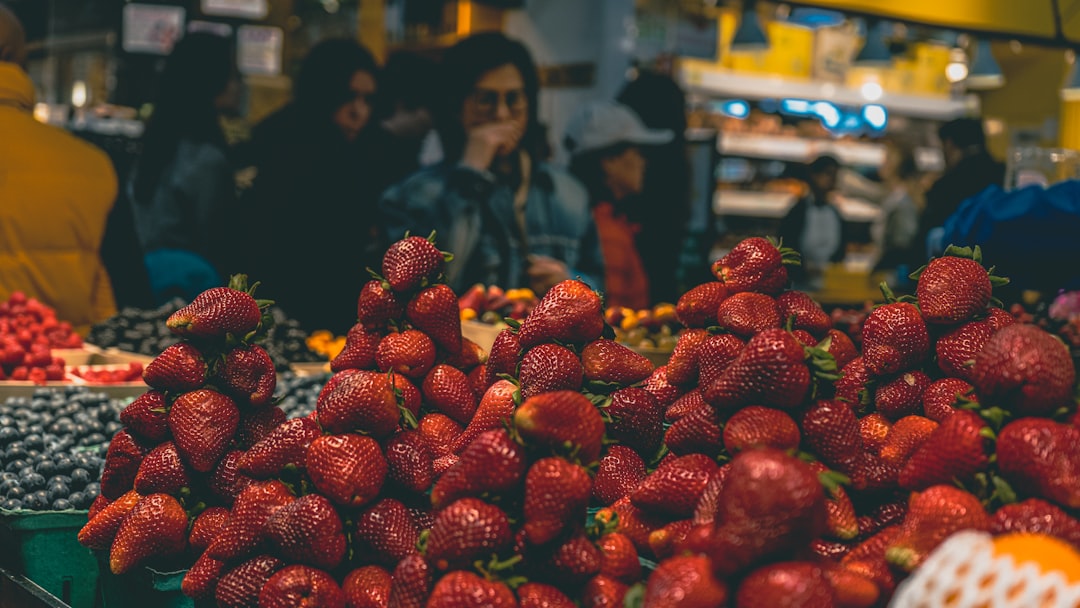
Food markets occupy an unusual place in British towns and cities. They are shops, social spaces, small-business incubators and, on a good day, one of the easiest ways to understand what a place actually eats.
The appeal is not simply that everything is local or artisanal. Many markets mix farmers, bakers, prepared-food traders, importers and independent producers. That variety is part of their strength. It gives small businesses a relatively visible route to customers without requiring a permanent high-street premises from day one.
Local does not automatically mean better
Claims about food miles, sustainability and local economic impact need care. A nearby product can still be resource-intensive, while an imported ingredient may be central to the food culture of a British community. The better question is whether a market gives shoppers useful choice, transparent information and a reason to return.
Affordability matters too. A market that becomes a showcase only for premium products may attract visitors while serving local households poorly. The strongest examples usually combine everyday food with specialist stalls and make room for both established traders and new businesses.
Markets also create low-pressure public interaction. People queue, ask questions, compare produce and run into neighbours. That may sound ordinary, but ordinary encounters are exactly what many high streets need more of. A successful food market is not a revolution. It is a practical piece of local life that works because people keep using it.