

Home Culture FLOWERS at Saatchi Gallery: Botanical Art Beyond Decoration
Culture

FLOWERS at Saatchi Gallery: Botanical Art Beyond Decoration

A Celebration of Botanical Art at the Saatchi Gallery
Share

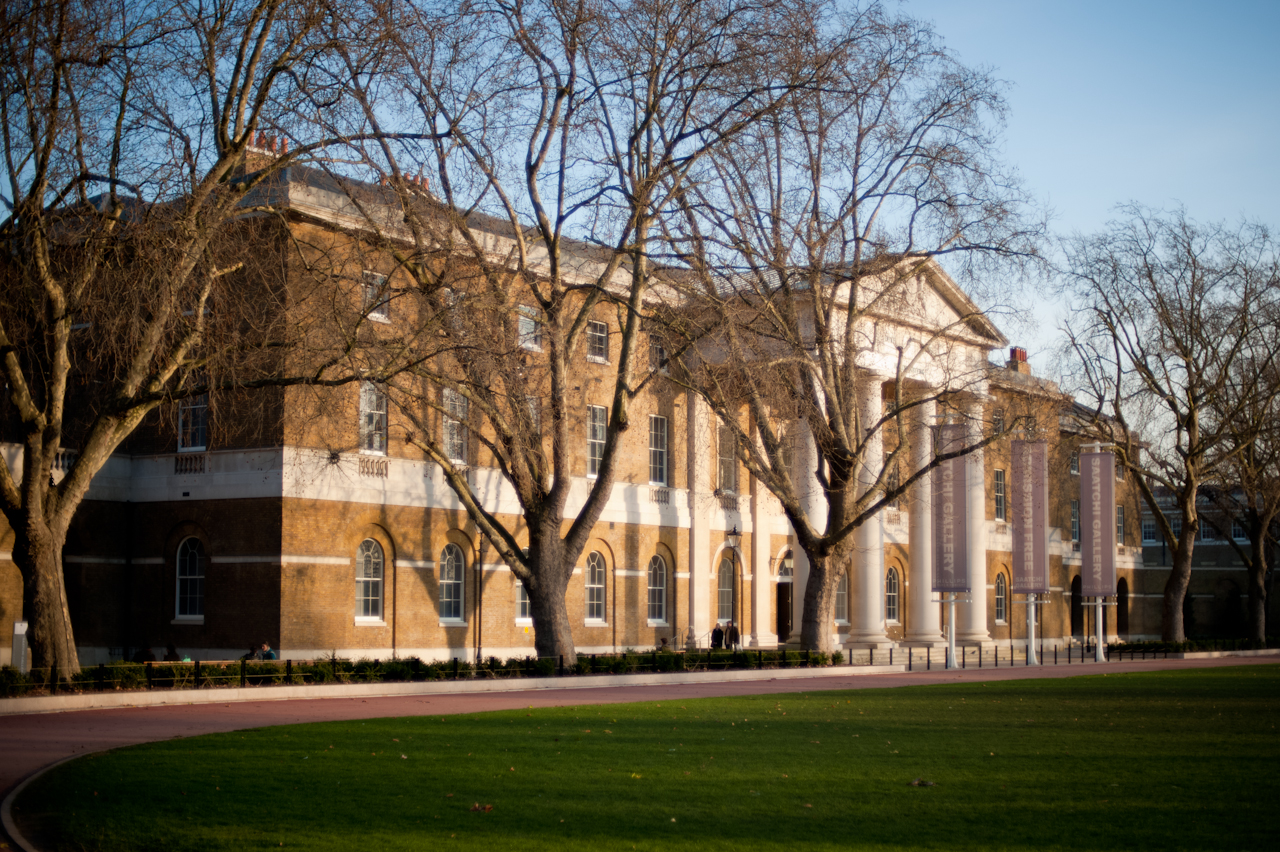
Flowers are among the most familiar images in art, which is exactly why they are easy to underestimate. FLOWERS – Flora in Contemporary Art & Culture at Saatchi Gallery used that familiarity as a starting point, bringing together photography, fashion, film, painting and other media to examine how floral imagery carries meanings far beyond decoration.

The strongest way to approach the exhibition is not as a celebration of prettiness, but as a study of repetition. Flowers appear in rituals of love, mourning, celebration, religion, fashion and domestic life. Artists can therefore use the same visual language to suggest fragility, sexuality, memory, abundance or loss.

Why flowers remain useful to artists

Botanical imagery has a long history in British visual culture, from scientific illustration and textile design to still life and fashion photography. Contemporary artists inherit that history but do not have to repeat it. A flower can be treated as specimen, symbol, pattern or cultural cliché.

That range is what makes a large thematic exhibition interesting. The subject stays recognisable while the meanings shift according to medium, context and artist.

From gallery wall to everyday life

Flowers also move unusually easily between art and ordinary experience. They appear in homes, gardens, ceremonies, clothing and advertising. That makes them useful for thinking about the boundary between fine art and visual culture.

The exhibition’s value lies in showing that familiar imagery can remain productive when artists question rather than simply repeat it. Flowers may be beautiful, but beauty is only one of the things they can do.

Sources

  • Saatchi Gallery: official exhibition material for FLOWERS – Flora in Contemporary Art & Culture.
  • V&A and Tate collections for botanical imagery, fashion and visual-culture context.

Written by
Daniel Osei

Daniel was born in Accra and moved to the UK with his family at the age of nine, settling in South London. He studied journalism at Goldsmiths and began his career covering arts and community events for a Brixton-based independent publication. His writing often explores how culture shifts and blends in modern Britain — identity, creative scenes, neighbourhood change. Outside work he follows contemporary art closely and plays five-a-side football on Thursday evenings.

Editor's Pick

People

The School Run and Everything That Happens in Those Twenty Minutes

The school run begins long before anyone steps through the front door, often starting with the quiet click of a kettle and the...

Home

Maximalist Interiors and the Case for Having Exactly Too Much of Everything

Maximalist interiors begin not with an instruction manual or a shopping list, but with the quiet accumulation of a life lived in full...

Culture

British Landscape Painting and the Artists Still Finding New Ways to See Old Ground

British landscape painting has rarely been a simple exercise in passive observation; instead, it operates as a contested ideological space where national identity,...

Lifestyle

Downshifting and the People Who Traded Ambition for Something Quieter

Downshifting life begins the moment you realize that the ladder you have been climbing might be leaning against the wrong wall entirely. It...

Food

The Dinner Party and What Happens When People Actually Sit Down Together

The dinner party remains a fascinating social form that reveals much about how we live, connect, and negotiate our relationships in modern spaces....

Culture

Regional Accents and Why the Way We Speak Is Worth Protecting

Regional accents Britain communities rely on every day are much more than charming vocal habits or geographical souvenirs. They function as living, evolving...

Related Articles
British Landscape Painting and the Artists Still Finding New Ways to See Old Ground
Culture

British Landscape Painting and the Artists Still Finding New Ways to See Old Ground

British landscape painting has rarely been a simple exercise in passive observation;...

Regional Accents and Why the Way We Speak Is Worth Protecting
Culture

Regional Accents and Why the Way We Speak Is Worth Protecting

Regional accents Britain communities rely on every day are much more than...

The Village Fete and What a Very British Tradition Still Has to Say
Culture

The Village Fete and What a Very British Tradition Still Has to Say

The village fete remains a living local ritual rather than a frozen...

British Comedy and the Particular Kind of Darkness That Makes It Work
Culture

British Comedy and the Particular Kind of Darkness That Makes It Work

British Comedy Culture operates not as a singular monolithic monolith of national...