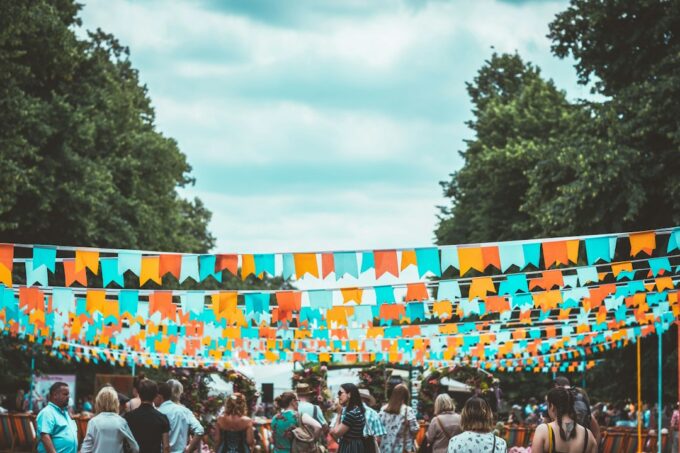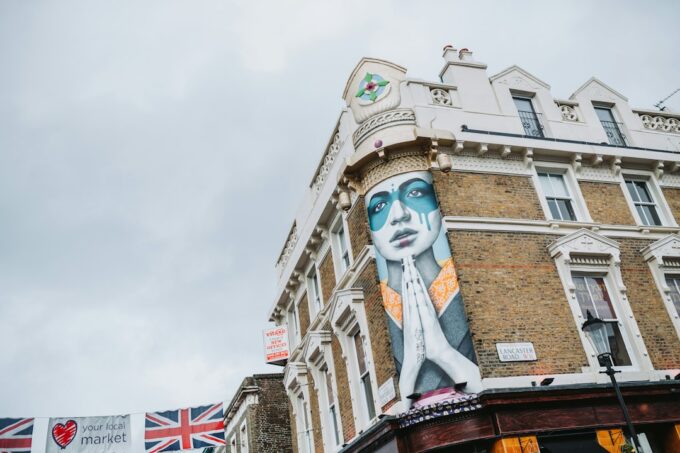


Antique Markets Britain serve as peculiar cultural intersections where personal nostalgia, social architecture, and unvarnished commerce collide under drafty sheds and canvas pavilions. Every weekend across the country, thousands of individuals wake before dawn to navigate rows of tarnished silver, chipped ceramics, and heavy Victorian oak, driven by an impulse that defies purely utilitarian logic. This phenomenon is not merely about accumulating old things; it is a complex social ritual through which participants attempt to anchor themselves in an increasingly transient modern world. As trade publications note, the domestic second-hand economy relies heavily on this cyclical rediscovery of material culture (Antiques Trade Gazette, 2023). When we examine these spaces closely, we realize they function less like traditional retail outlets and more like democratic museums where everything is temporarily up for grabs.
The Precise Taxonomy of Second-Hand Goods
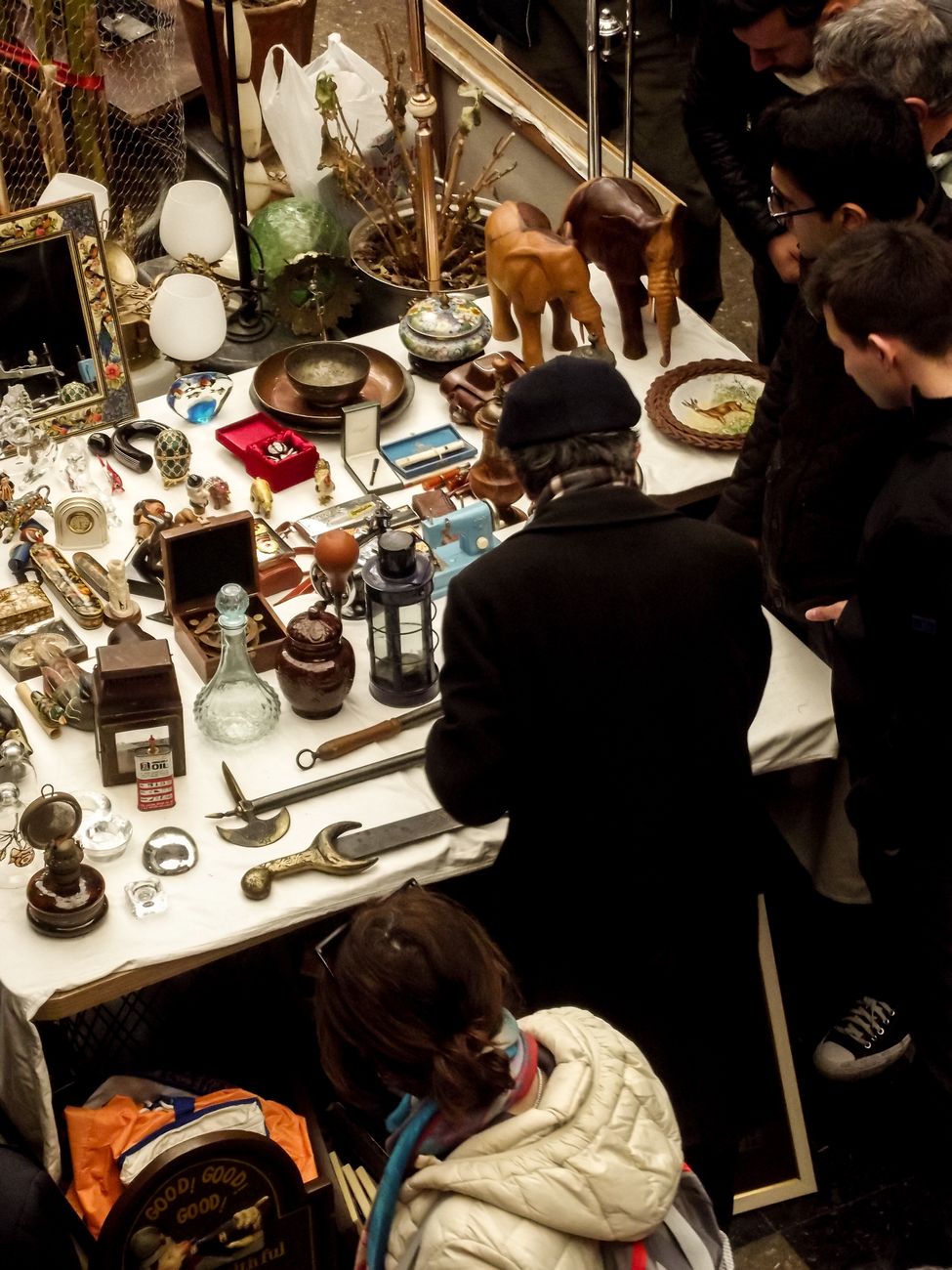
To understand the psychology of the buyer, one must first dismantle the loose terminology that blankets the trade, distinguishing true antiques from mere vintage items, collectables, and decorative secondhand goods. By strict definition, an antique must be at least a century old, possessing a provenance that links it to a distinct historical era, much like the curated collections housed at the Victoria and Albert Museum (V&A, 2021). Vintage items, conversely, usually belong to the twentieth century, capturing the mid-century modern aesthetic or late-century pop culture without crossing the sacred hundred-year threshold. Collectables operate under a different currency altogether, often manufactured specifically to be hoarded—think commemorative mugs or limited-edition porcelain figures—whereas decorative secondhand goods are bought strictly for immediate interior utility and visual charm. Connoisseurs at regional venues such as the Ardingly Antiques Fair understand these boundaries implicitly, even if casual weekend browsers use the terms interchangeably while haggling over a box of rusted ironmongery.
The Social Architecture of the Weekend Bazaar
Antique markets operate as vibrant micro-societies with rigid hierarchies, unspoken codes of conduct, and a distinct communal rhythm. Regular traders and habitual buyers recognize one another across muddy showgrounds, forming an informal fellowship bound by a shared obsession with rescued material. This social dynamic mirrors other forms of cultural preservation, much like the traditional craft alive movement where historical continuity is maintained through active human participation. Conversations over folding tables rarely focus solely on the financial value of an object; instead, they pivot on debates regarding authenticity, maker’s marks, and the sheer improbability of survival. Within these aisles, social status is temporarily flattened, allowing a wealthy investment banker and a frugal student to bicker over the exact decade of a bakelite radio on equal terms.
Deconstructing the Myth of Object Provenance
There is a persistent romanticism attached to secondhand trade that insists every object carries a clear, traceable narrative whispered down through generations. In reality, the stories attached to physical goods in these markets are frequently unprovable fabrications, romantic enhancements, or wholesale inventions designed to grease the wheels of commerce. A portrait of an anonymous Victorian child in a heavy gilt frame is rarely the lost scion of a noble estate; more often, it is simply mass-produced portraiture whose original family severed ties decades ago. Cultural commentators observe that buyers are often purchasing the feeling of a narrative rather than verified historical fact, happily adopting a comforting fiction in exchange for twenty pounds (Antiques Trade Gazette, 2022). This willingness to suspend disbelief transforms a mundane brass door knocker into a magical talisman of an imagined past.
The Compulsion to Curate Another Life
The core psychological engine driving these shoppers is an insatiable desire to curate an identity through the discarded debris of strangers. Every tea service, fountain pen, and leather-bound ledger purchased from a trestle table represents an attempt to graft someone else’s historical weight onto one’s own domestic sphere. This archiving impulse shares thematic DNA with other cultural preservation efforts, such as the community safeguarding found in oral history and stories where intangible heritage is rescued from permanent erasure. By surrounding themselves with objects that survived the Blitz, economic depression, and shifting domestic fashions, buyers construct a physical buffer against their own temporal fragility. The market ultimately offers a reassuring illusion: if these battered objects can find a safe harbor in the twenty-first century, perhaps our own fleeting lives might leave a similarly tangible footprint behind.
References
Antiques Trade Gazette. (2022). The economics of narrative in the regional UK secondhand trade. London: ATG Media.
Antiques Trade Gazette. (2023). Shifting trends in domestic material culture and regional fairs. London: ATG Media.
Victoria and Albert Museum (V&A). (2021). Classifying the past: Material culture, provenance, and the museum standard. London: V&A Publishing.