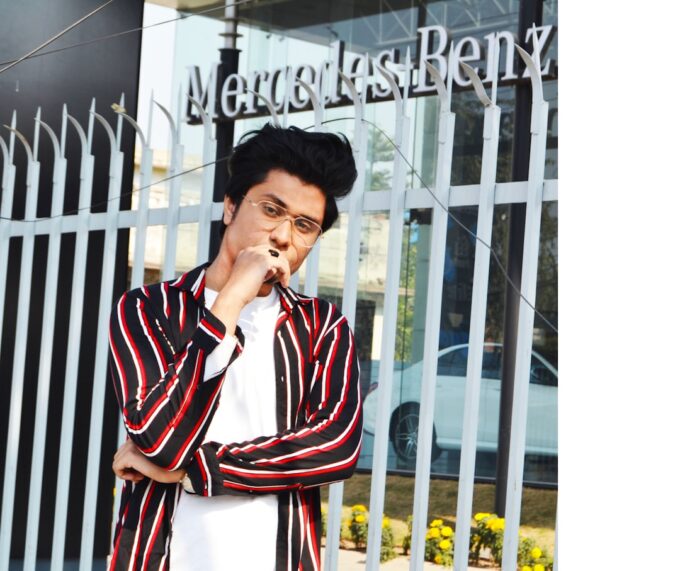


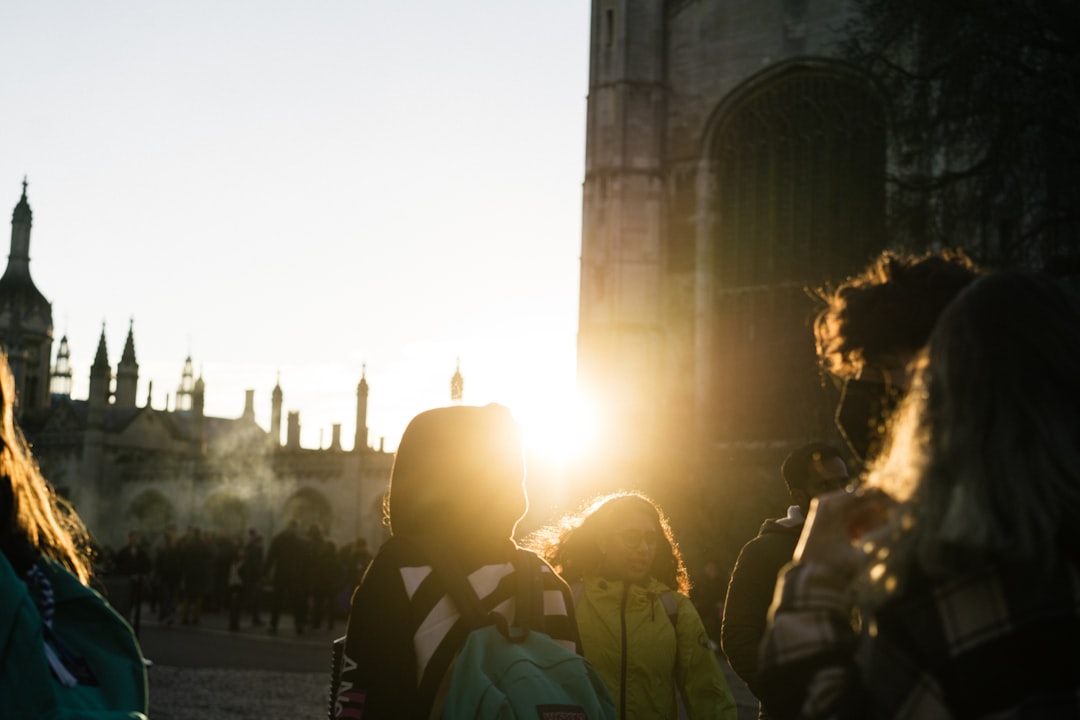
British Street Style London represents a restless dialogue between heritage tailoring and the anarchic energy of the city’s subcultures. If you walk from the polished glass monoliths of the City toward the grit of Dalston, you witness a wardrobe that refuses to settle into a single aesthetic. Londoners treat the pavement like a runway, though they would rather be caught dead than admit to trying too hard. It is this studied indifference that remains the capital’s most potent export.
The Evolution of British Street Style London

There was a time when the London uniform was predictable: Savile Row discipline versus King’s Road rebellion. Today, the lines have blurred into a messy, magnificent collage. We have moved away from the rigid categorisation of “mods,” “punks,” or “yuppies” into something far more fluid. The modern Londoner borrows from every decade simultaneously, often wearing a vintage sheepskin coat with technical sportswear.
This hybrid approach is not just about looks; it is a reaction to the climate and the commute. Functionality is the silent partner of style. You cannot navigate a rainy afternoon or a packed Tube carriage in something that restricts movement. Consequently, the city has mastered the art of the layered outfit. It is a practical necessity that has been elevated into a sophisticated visual language.
Core Staples for the Modern Londoner
To understand the current scene, one must look at the recurring items that appear in every postcode. These pieces are not trends in the seasonal sense; they are long-term residents of the British wardrobe. They offer versatility and, crucially, they look better once they have endured a bit of wear and tear.
- The Oversized Trench: A perennial fixture that keeps the damp at bay while adding a layer of architectural polish to jeans and trainers.
- Chunky Knitwear: High-quality wools are essential for the biting wind that cuts through the Thames Valley corridor during winter.
- Heavyweight Denim: Rigid, wide-leg trousers have replaced the skinny fits of a decade ago, providing a relaxed silhouette.
- Technical Outerwear: Puffer jackets and waterproof shells have moved from the hiking trail to the high street, often paired with tailored trousers.
- Statement Footwear: Whether it is a worn-in pair of leather boots or the latest collaboration sneaker, the feet remain the focal point of the ensemble.
The Influence of Subculture on High Fashion
The relationship between the streets and the runway has never been more codependent. High fashion houses frequently look to the boroughs for inspiration, attempting to bottle the raw energy found in youth clubs and market stalls. However, the true essence of the city is rarely captured in a showroom. It is found in the way a vintage blazer is repurposed or how a pair of track pants is paired with a crisp, formal shirt.
You can find insightful analysis on how these global shifts affect local trends through platforms like Vogue Business, which tracks the intersection of commerce and cultural expression. They often highlight how British designers maintain a sense of rebellion despite their commercial success. It is a delicate balance, but one that London seems to manage with a characteristic smirk.
Accessorising for the Urban Jungle
Accessories in London are rarely about opulence; they are about utility and personality. The ubiquitous crossbody bag has become the standard for navigating the city, allowing for hands-free movement. Then there is the headwear—beanies, bucket hats, and the occasional flat cap—which serve as the final punctuation mark on an outfit.
Jewellery has also taken a turn toward the understated. While gold chains remain a staple in many circles, there is a growing trend for vintage silver or pieces that look like they have a history behind them. It is all part of the “curated thrift” aesthetic that dominates the city’s creative hubs. You are not looking for the newest item; you are looking for the most interesting one.
Why We Dress the Way We Do
Ultimately, the way people dress in this city is a form of armour. It is a way of signalling your tribe, your mood, and your level of tolerance for the chaos of the environment. London is a high-pressure, high-reward city, and the clothing reflects that tension. You want to look sharp, but you also want to look like you could bolt for a bus at a moment’s notice.
Fashion here is democratic. You are just as likely to see an incredible outfit on a bus as you are in the front row of a show. This constant influx of creative energy is what keeps the scene vibrant and unpredictable. As long as the city remains a meeting place for disparate cultures and ideas, the aesthetic will continue to shift. It is a restless, evolving beast, and that is precisely why we keep watching.