
Vintage fashion UK markets are experiencing a profound renaissance, driven by a collective shift in how we perceive the longevity of our wardrobes. What was once the preserve of niche collectors has become the primary destination for the modern, style-conscious Brit. This transition is not merely a fleeting trend; it is a calculated response to the unsustainable churn of high-street production cycles.
The appeal is straightforward: quality, individuality, and a refusal to participate in the race to the bottom. Today’s shopper is increasingly aware that the best items were crafted decades ago, long before the industry pivoted toward disposable synthetic fabrics. If you are preparing for a shift in your aesthetic, you might find that curated sales offer a better starting point than a typical department store haul.
The Evolution of Secondhand Style

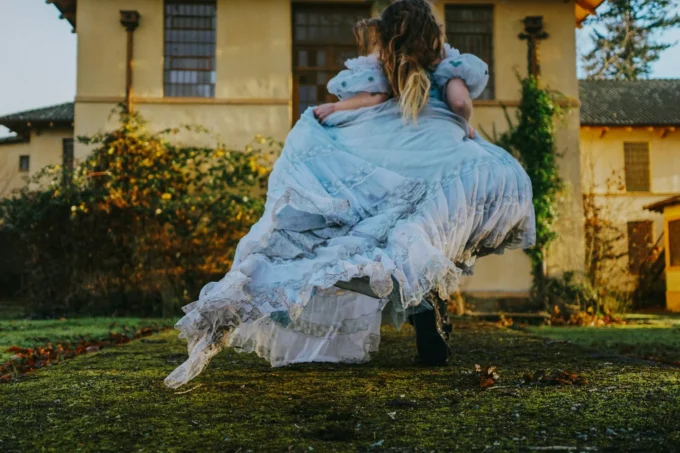
We are witnessing a complete departure from the “thrift store” stigma that once defined older generations’ views on used goods. In cities from London to Leeds, the local charity shop has been eclipsed by high-end vintage boutiques that present garments with the care of an art gallery. This curation is essential; it removes the fatigue of hunting through racks of rags to find that one decent cashmere jumper.
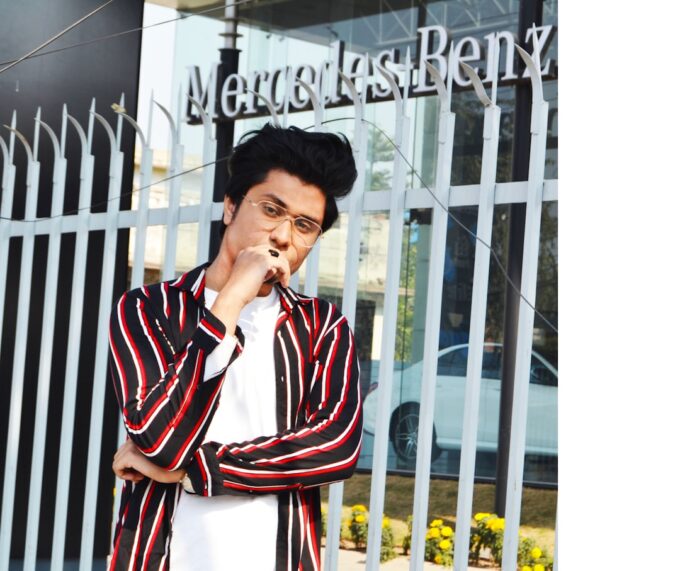
The modern British wardrobe thrives on the mix of old and new. It is rarely about dressing in a full costume from a bygone era, but rather integrating timeless tailoring with contemporary basics. This approach elevates an outfit, providing a depth of character that mass-produced pieces simply cannot replicate. For those observing the pulse of the nation, British street style clearly demonstrates that the most interesting looks are invariably anchored by a unique, pre-loved centerpiece.
Why Quality Always Wins
There is an undeniable tactile difference between a coat stitched in the mid-twentieth century and one produced last month. The former features robust seams, natural linings, and heavy-duty buttons, whereas the latter is frequently designed to survive a single season before its hem begins to fray. Choosing pre-owned items is an act of defiance against the decline of craftsmanship.
Beyond the structural integrity of the garments, there is the matter of provenance. A vintage piece carries history, making it a conversation starter rather than a carbon copy of a mannequin’s ensemble. When you invest in a well-kept wool blazer or a classic silk scarf, you are participating in a circular economy that values material preservation over rapid consumption.
- Natural fibers like wool, linen, and silk age with grace, unlike modern polyester blends.
- Vintage sizing often requires a tailor’s touch, which ensures a far superior fit than off-the-rack vanity sizing.
- The environmental impact of recycling existing clothing is vastly lower than the production of new synthetic textiles.
- Limited production runs of the past mean that your wardrobe remains genuinely unique within your social circle.
Navigating the Market Effectively
To master the art of hunting for these items, one must adopt a strategy of patience. Do not enter a vintage shop with a list of specific requirements; you will only end up frustrated. Instead, go with an open mind and a sharp eye for quality materials and timeless silhouettes. According to the Department for Environment, Food and Rural Affairs, encouraging the reuse of consumer goods is a cornerstone of moving toward a more circular economy in the UK, supporting a shift away from the waste inherent in modern textile lifecycles.
Start by focusing on the classics. A trench coat, a heavy leather belt, or a structured pair of trousers should be your primary objectives. If you spot a high-quality item that fits well, buy it immediately. The best pieces rarely sit on the rails for more than a few days, and once they are gone, they are unlikely to reappear in that exact iteration.
The Future of Conscious Consumption
The cultural appetite for pre-loved goods is showing no signs of cooling. As prices for new, mid-range clothing continue to rise, the value proposition of the vintage market becomes increasingly attractive. We are finally reaching a point where looking good does not necessitate a reckless expenditure of money or resources.
Ultimately, your clothing is a reflection of your discernment. By choosing to wear garments that have survived the test of time, you are signaling that you prioritize longevity, design, and personal expression over the noise of the fast-fashion machine. It is a sophisticated way to live, and frankly, it is the only way to dress if you care about how you present yourself to the world.