
Independent Coffee Shops and the Future of British High Streets

Independent Coffee Shops Britain are more than just places to grab a morning caffeine fix; they have become the rhythmic heartbeat of our changing high streets. As I wander through towns from the Cotswolds to the rugged coastlines of Cornwall, I see these vibrant spaces filling the voids left by stagnant retail giants. They offer a sanctuary of sensory delights, where the hum of a commercial espresso machine replaces the sterile silence of shuttered storefronts. It is in these intimate corners that the true flavour of local community life reveals itself.

The rise of the artisan café is not merely a trend for the social media age, but a fundamental shift in how we inhabit our urban landscapes. We have grown weary of homogeneous shopping parades where every street corner looks identical. Instead, we are finding solace in the uniqueness of a third-wave roaster, where the beans are sourced with care and the baristas know your name. This economic shift represents a democratisation of public space, moving away from mass consumerism toward curated, meaningful experiences.

The Economic Vitality of Independent Coffee Shops Britain

Independent Coffee Shops Britain

Economic resilience often starts with a single cup of hand-poured pour-over. When we choose to spend our money in an independent establishment, we are voting for a more sustainable local economy. According to data from the Federation of Small Businesses, local independent retailers contribute significantly to regional economic growth, keeping money circulating within the community rather than funneling it into offshore accounts. This is the multiplier effect in action, where the barista’s salary goes to the local florist, the greengrocer, and the independent bookshop next door.

These businesses act as anchors for high street footfall. They transform “dead” hours of the afternoon into bustling opportunities for social interaction and remote working. By providing a third space—distinct from the office and the home—these cafés cultivate a sense of belonging. They occupy properties that might otherwise sit vacant, preserving the architectural character of our historic town centres while injecting them with modern energy and entrepreneurial spirit.

  • Fostering local employment opportunities.
  • Utilising local supply chains for pastries and seasonal produce.
  • Providing essential spaces for community meetings and creative collaboration.
  • Preserving the aesthetic diversity of heritage buildings.

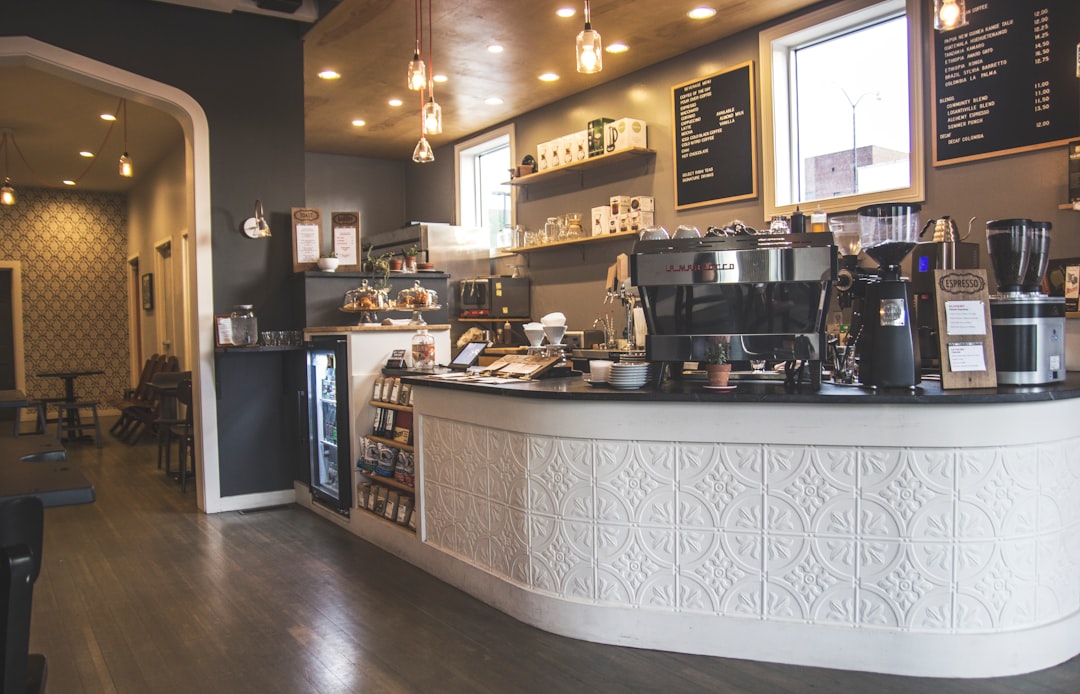
The aesthetic appeal of these venues is, quite frankly, intoxicating. Think of the scent of dark-roasted Arabica, the gentle clink of ceramic on wood, and the soft amber glow of Edison bulbs against exposed brickwork. These are not manufactured environments; they are the result of personal investment and artistic vision. It is this authentic atmosphere that draws people out of their homes and into the public eye, creating a lively theatre of everyday British life.

Cultural Significance in Modern Britain

Beyond the ledger, there is a cultural weight to the success of our local coffee scene. Historically, coffee houses were known as “penny universities,” where citizens gathered to debate politics, poetry, and philosophy. That spirit is being reborn in every town across the country. Today’s cafés serve as hubs for social activism, grassroots politics, and creative dialogue. They provide a platform for local artists to display their work, for musicians to host acoustic evenings, and for neighbours to bridge the divides of age and occupation.

The transformation of the high street is rarely a neat or linear process, yet the presence of a thriving café acts as a catalyst. When a new shop opens, the surrounding area often feels safer and more inviting, encouraging further investment. We see the ‘halo effect’ where neighbouring businesses benefit from the increased foot traffic that a popular café generates. It is a virtuous cycle that turns struggling corridors into thriving hubs of artisanal trade and social connection.

It is worth noting that this evolution isn’t without its challenges. The cost of raw materials, energy prices, and commercial rents remain significant barriers to entry for many young entrepreneurs. Yet, the tenacity of these coffee shop owners is nothing short of heroic. They navigate the complexities of supply chains and changing consumer habits with a focus on quality and craft that large chains simply cannot replicate. They are the frontline defenders of our town centres.

What Lies Ahead for Our Town Centres

Looking toward the future, the integration of digital tools and physical community spaces will be paramount. I see a shift toward multi-purpose venues, where the coffee bar seamlessly transitions into a wine bar or a community craft studio as the sun sets. This flexibility allows businesses to maximise their space and stay relevant in an ever-shifting economic climate. It is about being agile and staying deeply connected to the demographic nuances of the local area.

As I continue my travels, I am struck by the resilience of the people behind these counters. They are not just brewing coffee; they are cultivating culture. They remind us that the future of the British high street is not found in the grand plans of developers, but in the small, carefully crafted details of our daily routines. If we continue to support these vibrant establishments, we are ensuring that our towns remain places of character, warmth, and genuine human connection for generations to come.

It is in these spaces that we find the pulse of contemporary life. Whether you are seeking a quiet corner to write, a lively spot to meet friends, or simply a moment of calm in a chaotic world, the independent café offers an essential refuge. They are the anchors of our social geography, and their success is inextricably linked to our own well-being. By choosing to walk through their doors, we are writing a brighter, more flavourful chapter for our local communities.

The dialogue between these entrepreneurs and their patrons is what keeps our high streets breathing. It is a delicate, living thing that thrives on participation. Every time you opt for an independent flat white over a mass-produced alternative, you are participating in a larger cultural narrative. It is a simple act, perhaps, but one with profound consequences for the diversity and vitality of the places we call home. Let us keep these spaces alive, for in doing so, we keep our communities whole.