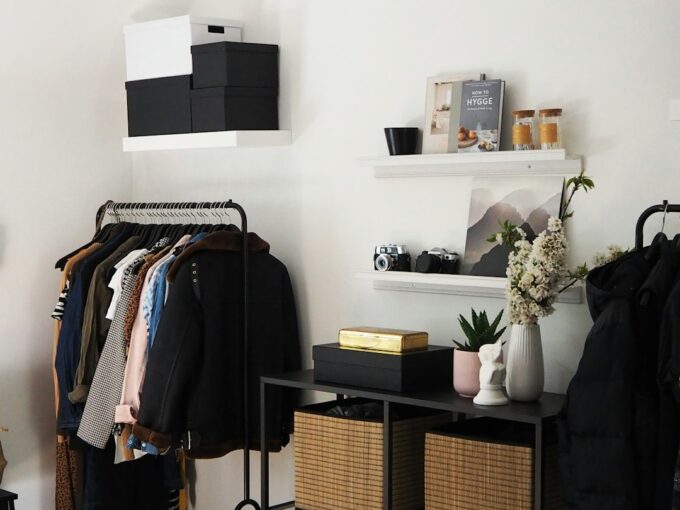



Slow Fashion Movement is redefining how we think about our wardrobes, moving past the constant churn of seasonal trends into something far more deliberate. For too long, the retail industry has trained us to treat clothing as disposable matter rather than crafted items. This shift is not about adopting a sterile aesthetic or buying expensive items just for the label. It is about a practical commitment to wearing what we already own, repairing what breaks down, and valuing garment construction over sheer volume. We are talking about a fundamental recalibration of style values, driven by people who are tired of participating in a system built on planned obsolescence.
By Stuart Callaghan
Untangling Slow Fashion from Minimalism and Luxury

There is a persistent misconception that dressing with intention requires a monastic white room and a uniform of ten beige shirts. That is minimalism, and it has very little to do with the reality of how most people actually live. You can own a colourful, varied wardrobe and still participate fully in the slow fashion movement. Similarly, this ethos is not an exclusive club for luxury shoppers who can afford designer price tags. Price does not automatically equate to better environmental practices or superior labour standards, as many high-end brands outsource production to the exact same factories as mass-market retailers (Fashion Revolution, 2021). Quality is found in the stitching, the fabric weight, and the sourcing transparency, not in an inflated price markup.
Instead of purging your closet to meet an arbitrary standard of emptiness, the focus should be on longevity and utility. A heavy wool coat bought from a local maker or a sturdy thrift find requires the same maintenance as a designer piece. When we look at the capsule wardrobe, the goal is practical curation rather than ascetic punishment. You are simply choosing items that pull their weight week after week.
- Prioritise fabric composition over brand prestige.
- Look for reinforced seams and natural fibres like wool, linen, and heavy cotton.
- Ignore the pressure to curate a neutral-only palette.
- Assess garments by how they fit your actual routine, not a fantasy lifestyle.
The Mechanics of Repair and Garment Care
A garment’s lifecycle does not end the moment a button pops off or a hem starts to fray. For generations, basic maintenance was simply part of owning clothes, a habit we abandoned when replacing items became cheaper than fixing them. Reversing this habit requires learning or outsourcing simple alterations, from ditching the sewing machine fear to finding a reliable local tailor. Proper garment care, such as washing clothes less frequently and using cold water, drastically extends the wearable life of natural fibres. According to WRAP UK textiles research, extending the active life of our clothing by just nine months can significantly reduce its carbon, water, and waste footprints (WRAP, 2012). That is a substantial environmental return on investment for a very small effort.
When clothes are treated as investments in your daily routine, taking care of them becomes second nature. You stop throwing garments into a scorching tumble dryer and start air-drying them properly. You brush your wool coats and store your knitwear away from moths during the summer months. These small rituals restore a sense of craft and value to the things we put on our bodies every single morning.
Secondhand, Local Production, and Fabric Quality
Buying fewer pieces only works if the pieces you do buy actually survive the test of time. This is where fabric quality becomes non-negotiable. Modern fast fashion relies on synthetic blends that pill, stretch out of shape, and trap odours after a few wears. Choosing natural, tightly woven textiles changes everything about how a garment hangs and ages. When you fold London street style elements into your rotation, you notice that the most enduring looks rely on sturdy, tactile fabrics that look better the more battered they get.
Sourcing your wardrobe locally or through secondhand channels also bypasses the opaque supply chains of multinational retail giants. When you buy pre-owned or support independent domestic makers, you can trace the origin of your clothes much more directly. British Fashion Council sustainability resources highlight that localized supply chains and circular business models are vital for reducing the overall environmental impact of the UK apparel sector (BFC, 2023). It is not about perfection or ideological purity; it is about making choices that make practical sense for your wardrobe and the world around you.
- Inspect the weave and weight of the fabric before purchasing.
- Explore independent local designers who produce in small batches.
- Incorporate secondhand shopping to find broken-in, high-quality items.
- Support regional tailors and repair shops to keep garments in circulation.
References
British Fashion Council (BFC). 2023. Circular Fashion Ecosystems and Industry Guidance. London: BFC Sustainability Resources.
Fashion Revolution. 2021. Transparency Index and Supply Chain Accountability Report. London: Fashion Revolution Trust.
WRAP UK. 2012. Valuing Our Clothes: The true cost of how we design, use and dispose of clothing in the UK. Banbury: Waste & Resources Action Programme.