

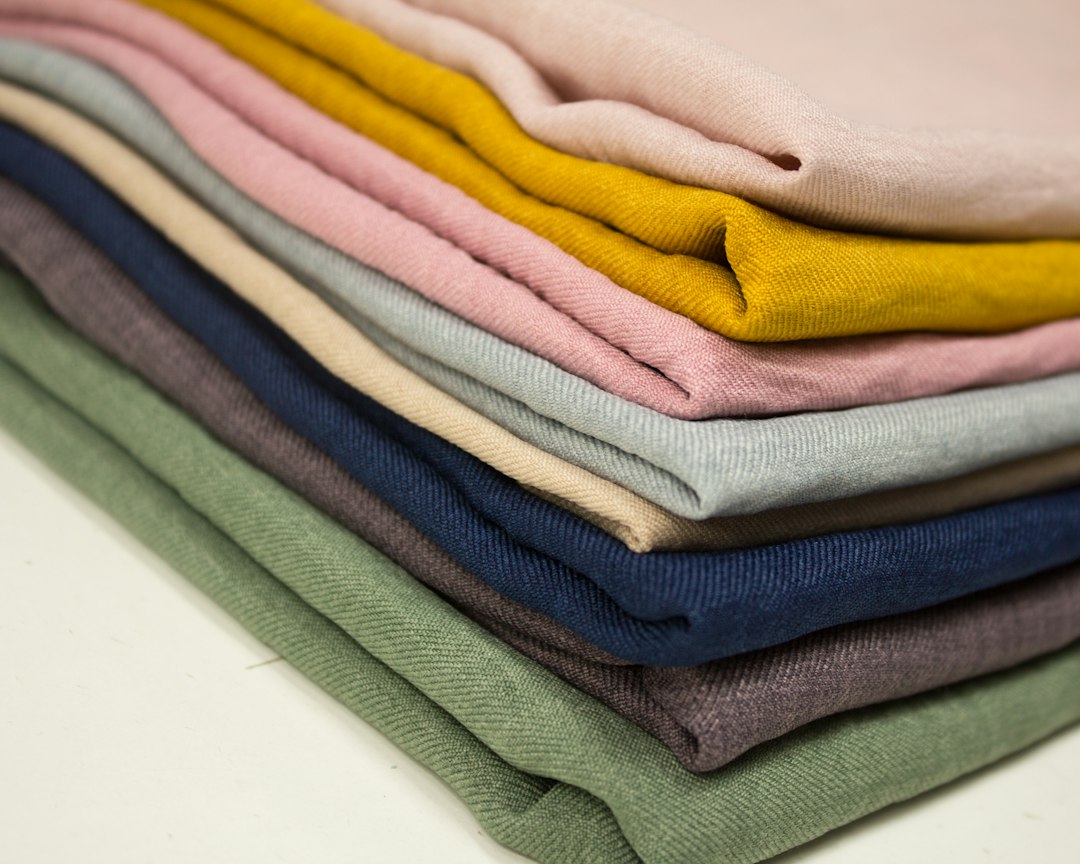
Linen and Natural Fabrics form the backbone of a quiet revolution taking place across British wardrobes. We are witnessing a distinct move away from synthetic ubiquity toward tactile, breathable materials that age with character. British consumers are no longer content with polyester blends that trap heat and pill after three washes. Instead, style choices are increasingly informed by how a fabric feels against the skin and how it handles our unpredictable climate. This shift is not merely aesthetic; it reflects a broader reappraisal of daily consumption, often explored through slow fashion principles.
Deconstructing the Myth of Inherent Sustainability

It is a common marketing sleight of hand to label any natural fibre as automatically virtuous. The reality of textile production is far more nuanced, requiring a clear separation between fibre type and actual lifecycle impact. According to WRAP UK textiles research, the environmental footprint of clothing is driven heavily by volume, production intensity, and end-of-life disposal rather than material origin alone (WRAP, 2021). A cotton garment farmed with intensive irrigation and heavy pesticide use carries a vastly different ecological weight than rain-fed organic alternatives.
Understanding these distinctions helps cut through the greenwashed noise found on the high street. Material evaluation must look beyond the hangtag to examine processing chemicals, dye methods, and durability metrics. When assembling a capsule wardrobe, paying attention to these production realities ensures that garments actually last. Natural does not automatically mean low-impact, just as synthetic does not automatically mean disposable. Nuance matters.
The Practical Reality of Linen, Wool, and Cotton
Every natural fibre brings a distinct set of physical properties to daily dressing. We can break down the primary contenders through comfort, climate response, and structural behavior:
- Linen: Exceptional breathability and thermal regulation, though prone to crisp creasing that demands a relaxed attitude toward grooming.
- Wool: Natural resilience, moisture-wicking capability, and odor resistance, making it a year-round staple rather than a strictly winter consideration.
- Cotton: Soft hand-feel and versatility, though its environmental cost varies wildly depending on irrigation practices and geography.
Data from global material assessments highlights that fibre choice dictates both comfort and longevity. Textile Exchange life-cycle assessments demonstrate that scaling preferred raw materials requires radical supply chain transparency rather than vague eco-friendly branding (Textile Exchange, 2022). Buyers who prioritize these details are investing in garments that perform reliably across seasons.
The British Fashion Context and Material Heritage
British style has long held an ambivalent relationship with weather-appropriate dressing. From heavy British wools to lightweight summer cottons, our sartorial heritage is built on pragmatic response to moisture and temperature shifts. The British Fashion Council notes that contemporary designers are increasingly returning to domestic textile traditions to ground modern collections in tangible authenticity (BFC, 2023). This return to tactile roots mirrors what we see in broader London street style, where practical layering trumps fleeting trends.
Ultimately, choosing how we dress comes down to embracing fabrics that work with our bodies instead of fighting them. Linen and its natural counterparts offer a direct antidote to disposable culture. By valuing tactile richness and realistic lifecycle impacts, our wardrobes become both more functional and more honest.
References
British Fashion Council (BFC). 2023. Heritage, Innovation, and Material Sourcing in British Design. London: BFC Industry reports.
Textile Exchange. 2022. Preferred Fiber and Materials Market Report. Textile Exchange Data.
WRAP UK. 2021. Textiles Market Situation Report: Valuing Our Clothes in the Circular Economy. Banbury: WRAP.