
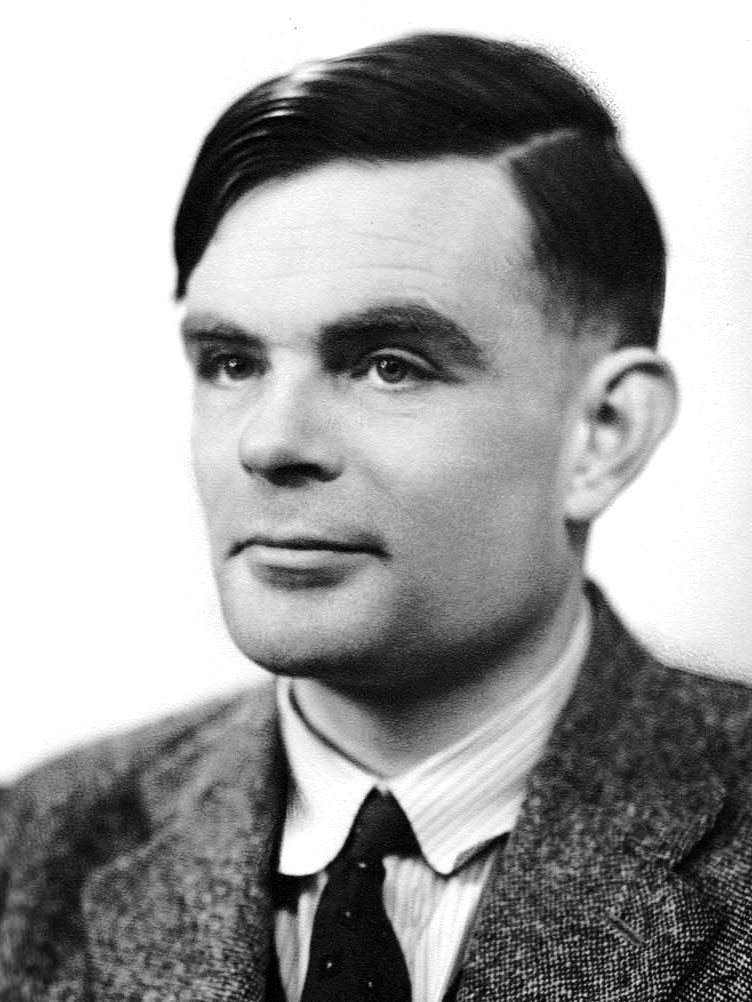
Alan Turing is usually encountered through wartime cryptography, computing and the persecution he faced because of his sexuality. A newly studied piece of fiction adds something different: a glimpse of Turing as a literary, playful and self-aware writer.
In July 2026, Cambridge scholar Sarah Dillon published the first extended academic study of Turing’s unpublished short story commonly known as Pryce’s Buoy. Six handwritten pages survive in the King’s College Archive in Cambridge. Dillon’s article includes a complete transcription and treats the story as autofiction.
A different Turing on the page
The story centres on a scientist called Alec Pryce and was written after Turing’s 1952 arrest for homosexuality. Its value is not that fiction offers a transparent diary of its author. It does not. But it complicates the familiar public image of Turing as emotionally remote or defined only by scientific achievement.
The surviving text shows humour, literary interest and an engagement with desire and social awkwardness that belongs to the culture in which Turing was living. Dillon also places the story in relation to contemporary gay writing, including Angus Wilson.
Why archival fragments matter
Historical figures are often reduced to the achievements for which they later become famous. Private writing can disturb that neatness. Letters, drafts and fiction do not replace the established historical record, but they can reveal interests and tones that formal papers leave out.
Pryce’s Buoy is especially useful because it reminds readers that Turing’s intellectual life was not confined to mathematics and machines. He read, wrote and imagined characters. The surviving manuscript is incomplete, but even an incomplete text can widen the frame through which a life is understood.
Sources
- Sarah Dillon (2026), ‘Pryce’s Buoy’: Alan Turing’s autofictional short story, The Review of English Studies.
- King’s College, Cambridge archival holdings for Alan Turing.