

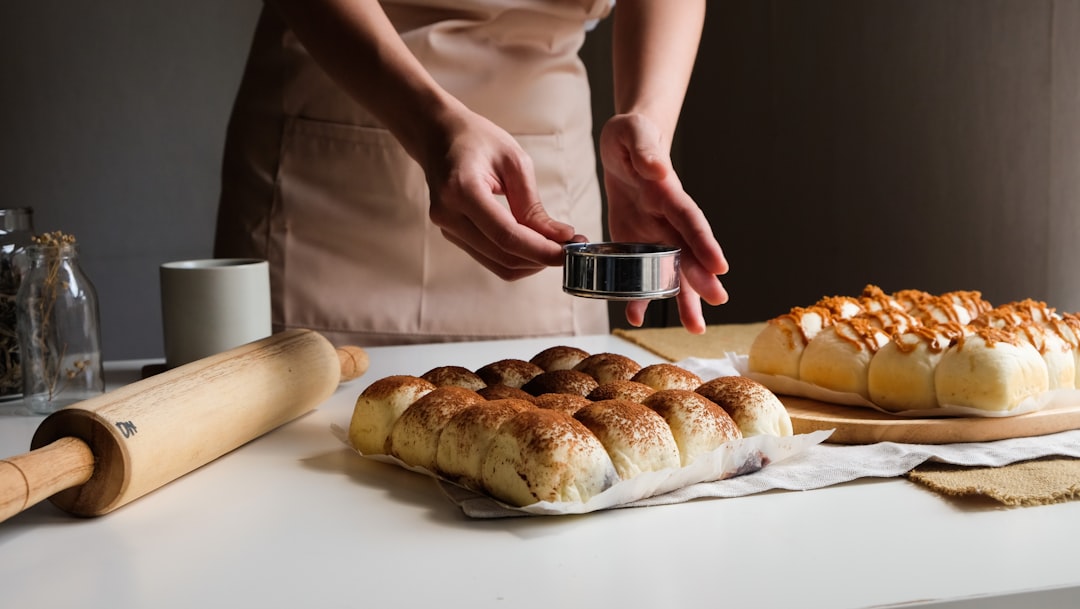
Home baking does not need to be described as a revival, a form of therapy or an antidote to modern life to be worth doing. Sometimes its appeal is much simpler: flour, butter, eggs and time become something you can eat, share or improve the next time around.
British baking culture contains both everyday and ceremonial habits, from bread and traybakes to scones, celebration cakes and family recipes that change slightly with every generation. The pleasure often lies as much in repetition as novelty.
A practical kind of satisfaction
Baking gives immediate feedback. Dough rises or it does not. Biscuits spread more than expected. A cake needs another five minutes. That material relationship can feel satisfying precisely because the result is tangible.
It is tempting to describe kneading or mixing as mindfulness, but the experience is not universal and baking should not be sold as a mental-health intervention. For some people it is calming; for others it is messy, technical or frustrating. Both responses are legitimate.
Tradition without nostalgia
There is a long history of domestic baking in Britain, but there was never one timeless national kitchen. Ingredients, fuel, ovens, working patterns and household labour have changed dramatically. So have the influences shaping what people bake.
Regional breads, immigrant food traditions, supermarket ingredients, television baking and online recipe culture now sit alongside older family methods. A modern British kitchen may contain sourdough starter, cardamom buns and a recipe copied from a grandparent’s notebook without contradiction.
Start with reliability, not perfection
A digital scale can help with consistency, but expensive equipment is not necessary. Clear recipes, accurate measurements and attention to oven temperature matter more. Ingredient quality also does not need to become a moral hierarchy: local flour can be interesting, but ordinary supermarket flour can make excellent bread.
Food safety should remain straightforward. Storage, cooling and handling advice should follow current Food Standards Agency guidance rather than anecdote.
The social life of baking
One of baking’s most durable qualities is that the result is shareable. A loaf can go to a neighbour; cake can appear at a workplace; biscuits can turn an ordinary visit into an occasion. Or the whole thing can remain at home and be eaten quietly over several days.
That flexibility may be the best explanation for its persistence. Home baking can be craft, routine, celebration or simply something useful to do on a wet afternoon. It does not have to carry more meaning than that.
Sources
- British Library and museum food-history collections for British baking context.
- Food Standards Agency for current food-safety guidance.
- Real Bread Campaign and relevant UK grain or milling sources for contemporary bread context where needed.