

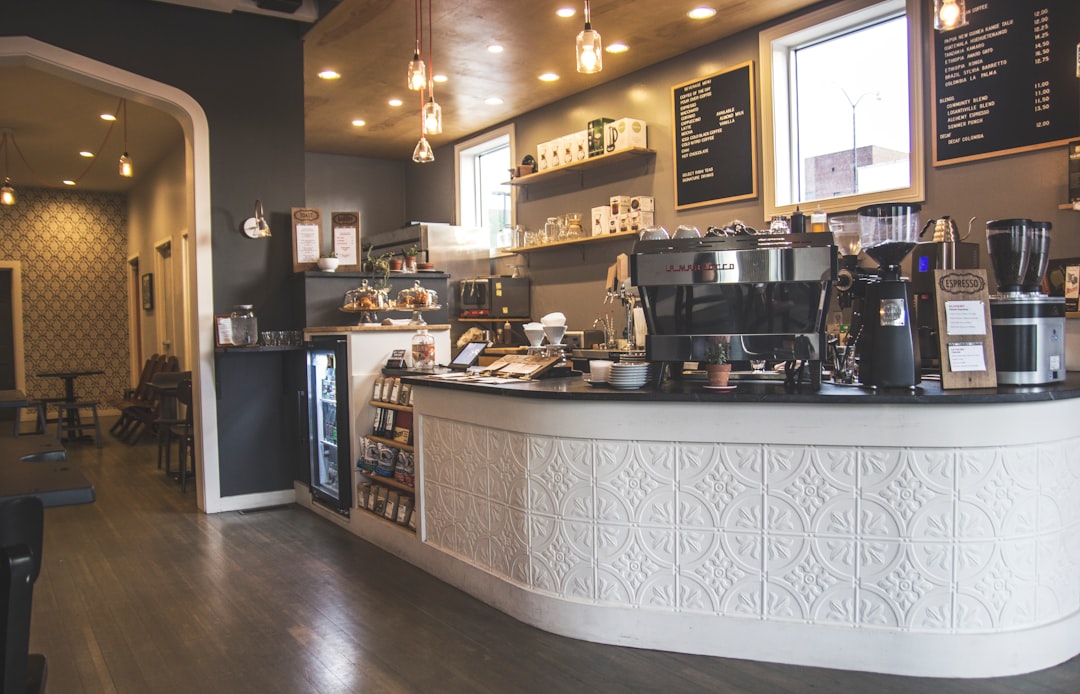
Independent coffee shops have become a familiar part of British high streets, but their role is more interesting than the familiar claim that they are single-handedly saving town centres.
A good café can create steady footfall, occupy an otherwise empty unit and give people a place to meet, work or simply spend half an hour between errands. That can help neighbouring businesses, especially in areas where retail alone no longer fills every shopfront.
A café is still a small business
The romantic image of the owner-led coffee shop can obscure how difficult the economics are. Commercial rent, wages, energy, equipment and ingredient costs all shape whether an independent venue survives. A busy room does not automatically mean a healthy margin.
Nor are independent businesses automatically more local or ethical than chains. Some source nearby; others rely on national or international suppliers. What distinguishes the strongest cafés is often less a moral category than a clear relationship with the place they serve: useful opening hours, consistent quality, staff who know regular customers and a reason to return.
High streets work when many different uses coexist. Coffee shops can be part of that mix alongside markets, libraries, pubs, services, shops and housing. Their value is real, but it is most convincing when described at human scale: a table occupied, a conversation started and another reason for someone to stay in town a little longer.