


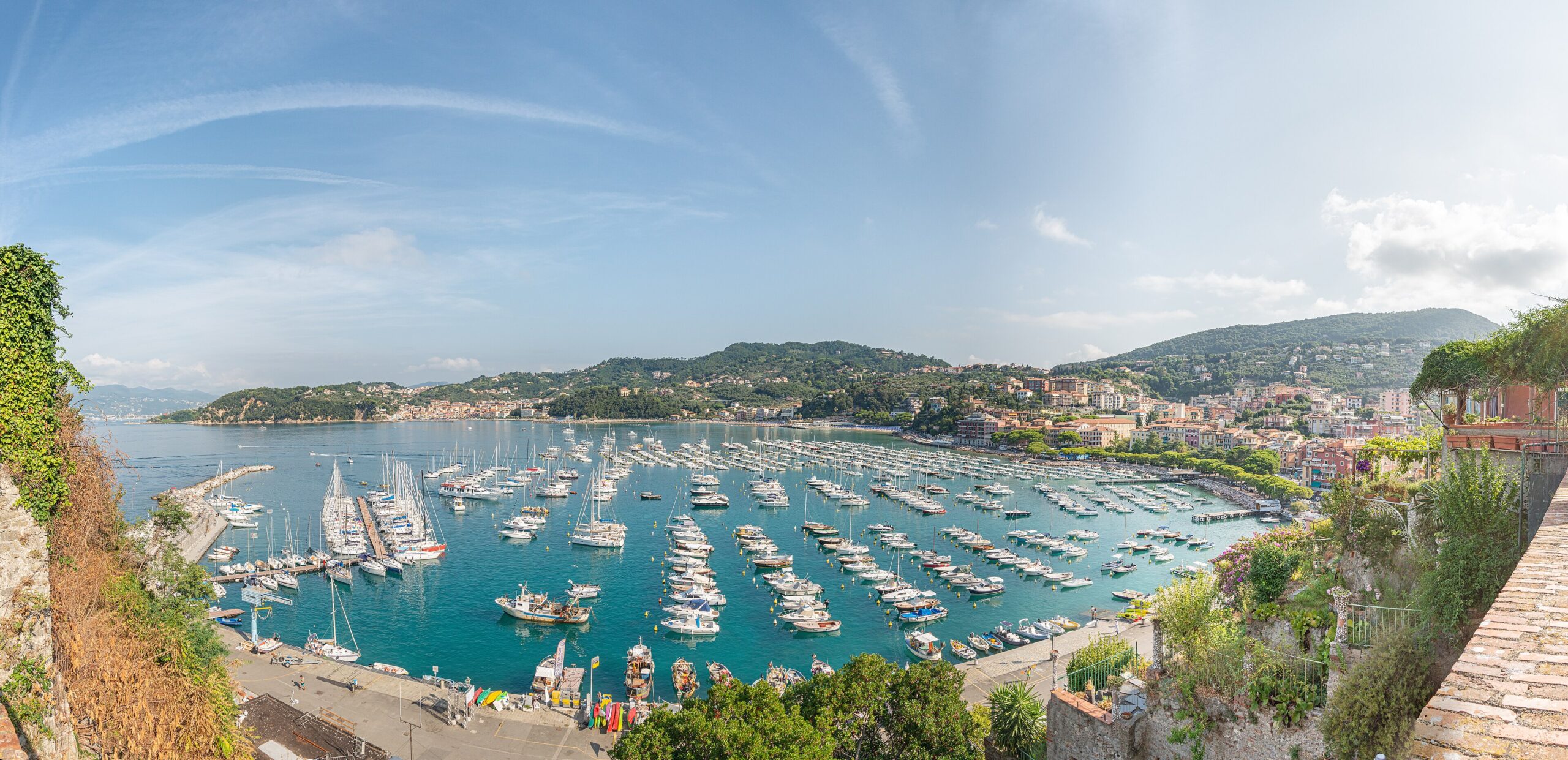
The Italian Riviera is often reduced to a handful of familiar images: Portofino’s harbour, the colourful houses of Cinque Terre and yachts against blue water. Liguria is more varied than that postcard version suggests.
The coastline runs from the French border towards Tuscany, with towns connected by rail, walking routes and short stretches of dramatic coast. Some places are polished and expensive; others remain working towns with beaches, markets and ordinary neighbourhood life close to the tourist areas.
Travel slowly enough to notice the differences
One of the strengths of the region is that visitors do not need to treat every stop as a separate holiday. Rail connections make it possible to base yourself in one town and explore others without repeatedly packing a car. That suits travellers who prefer longer lunches, coastal walks and time in smaller places rather than a checklist of famous viewpoints.
Peak-season crowding remains a real constraint, particularly in the best-known villages. Visiting outside the busiest hours, staying for more than a day and respecting local access rules can make the experience less rushed for visitors and less disruptive for residents.
The Italian Riviera does not need to be described as newly rediscovered or as a rival to another Italian coast. Its appeal is more durable than that: compact towns, steep landscapes, strong food traditions and a coastline that rewards moving through it at a measured pace.