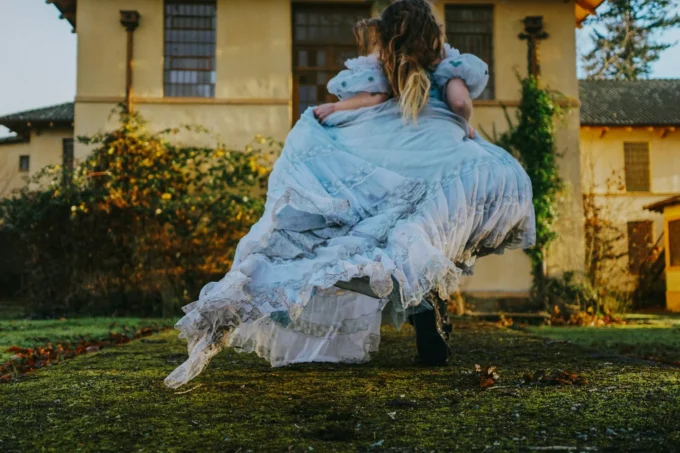


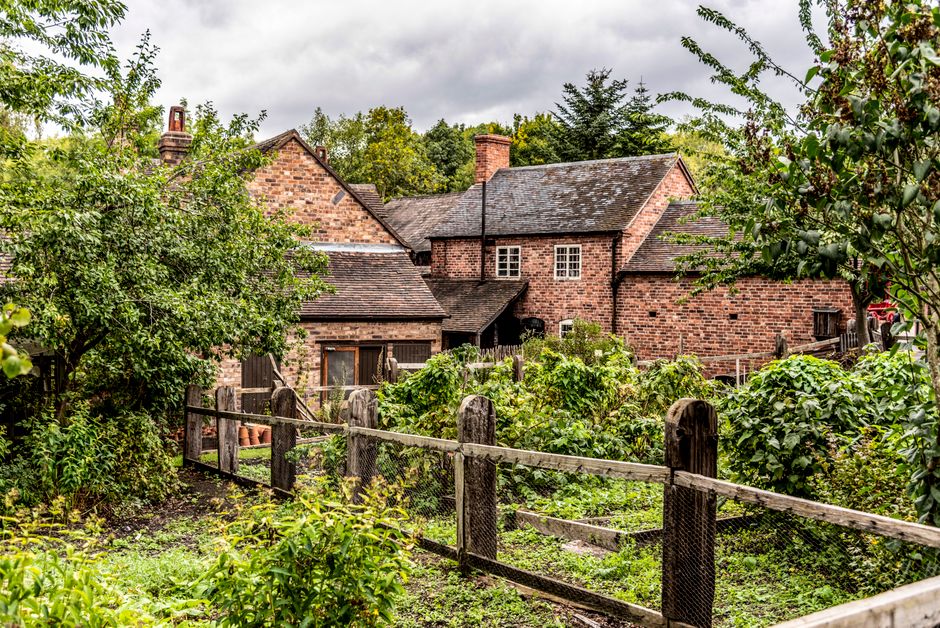
Cottagecore turns rural life into a visual language: floral dresses, old kitchens, wildflowers, bread, sewing, baskets and the suggestion of a slower daily rhythm. Its appeal is easy to understand, but the aesthetic becomes more interesting when separated from the claim that it represents how the countryside actually works.
The online version of rural Britain is selective. Mud, agricultural labour, transport problems, housing costs and weak services rarely photograph as well as an enamel jug on a windowsill. Cottagecore is therefore best understood as a fantasy of rural life rather than a documentary description of it.
Why the fantasy appeals
Many of its motifs offer an escape from speed and abstraction. Hand-making, gardening and cooking produce visible results. Old furniture and reused clothing can suggest continuity rather than constant replacement. Nature appears close at hand rather than something visited occasionally.
Those pleasures are real even when the surrounding image is highly curated.
Consumption dressed as simplicity
Cottagecore also contains a contradiction. An aesthetic built around simplicity can easily become another shopping category. Vintage dresses, artisanal ceramics and carefully distressed interiors can turn an imagined rejection of consumer culture into a new market.
That does not make every cottagecore interest insincere. It simply means that sewing, baking or gardening should be distinguished from buying objects that signal those activities.
The countryside beyond the feed
Real rural life varies enormously across Britain. Villages, market towns, farming communities and remote areas face different housing, transport and employment conditions. The countryside is not one timeless culture waiting outside the city.
Cottagecore remains useful as a cultural phenomenon because it shows what many people imagine they are missing: time, texture, nature and a sense that everyday tasks have visible meaning. The fantasy tells us less about rural Britain than about the pressures of the lives from which people are daydreaming.
Sources
- V&A and fashion-history sources for dress and material-culture context.
- DEFRA rural statistics for factual claims about contemporary rural Britain.
- Current social-media trend claims only when supported by platform or independent research.