


Home People Intergenerational Living in Britain: Support, Space and the Reality of Sharing a Home
People

Intergenerational Living in Britain: Support, Space and the Reality of Sharing a Home

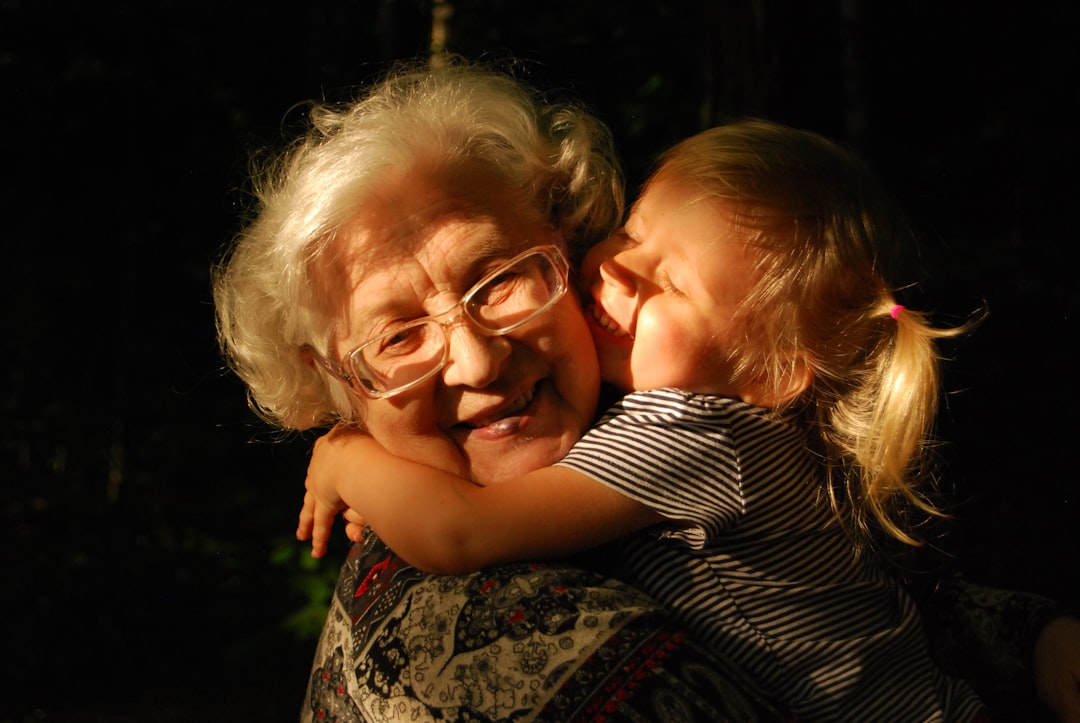
Intergenerational Living and Why More British Families Are Moving Back Together
Share

Intergenerational living is often presented as either a return to an older family model or a response to housing costs. In practice, families share homes for many reasons: childcare, caring for older relatives, culture, migration, affordability, disability, companionship and simple convenience.

Recent ONS data shows that more young adults aged 20 to 34 are living with their parents than a decade ago, but that does not automatically mean Britain is returning to a single multigenerational household model. Household arrangements remain varied, and the reasons behind them differ sharply.

Sharing resources can help

A larger household can make some forms of support easier. Childcare may be shared. Older relatives may have more day-to-day company. Bills and housing costs can sometimes be distributed across more adults. Practical knowledge also moves between generations in ways that are harder when family members live far apart.

Those benefits are not automatic. Space, money, privacy and caring labour can also become sources of tension. A household that works well usually depends on clear expectations rather than an idealised belief that family proximity will solve everything.

British homes are not always designed for it

Many houses were built around the assumption of a smaller household. Sharing a kitchen, bathroom or living room between several adults can make privacy difficult. Adaptations, extensions or separate entrances may help some families, but housing design and planning rules can limit what is practical.

Independence is not one thing

Living with parents or adult children is sometimes described as a failure to achieve independence. That judgement ignores the fact that independence can coexist with shared housing. Adults can contribute financially, care for one another and maintain separate routines while living under one roof.

The more useful question is whether the arrangement is chosen, workable and fair to the people involved.

Sources

  • Office for National Statistics, Families and households in the UK: 2025.
  • Centre for Ageing Better and housing research for current intergenerational and later-life housing context.
  • Local planning and housing sources for any specific adaptation examples.

Written by
Jonathan Reeve

Jonathan studied sociology at Durham before drifting into journalism through a student magazine he co-founded and never quite managed to shut down. He spent several years writing for a London-based culture weekly before going freelance. His work tends to examine the quieter shifts in British society — how attitudes change, how generations differ, what people value and why. He is a slow and deliberate writer who rarely publishes more than he needs to. He lives in Newcastle, follows non-league football with genuine passion and reads more than he lets on.

Editor's Pick

Culture

The Light Opens in Durham With a Major Exhibition on Light

A new cultural venue opens in Durham on 22 August, bringing contemporary art, local history and a restored museum building back into public...

Culture

Terrane Turns Jewellery Into a Map of Place and Memory

Amid the noise of the Edinburgh Festival Fringe, a small jewellery exhibition in Stockbridge is asking visitors to look at landscape in a...

People

Small Talk in Britain and Why Brief Encounters Still Matter

Small talk is easy to underestimate because, by definition, very little appears to happen. A remark about the weather, a few words with...

Home

Community Gardens and the Shared Life Growing Between the Beds

Community gardens are easy to romanticise. A few raised beds, a shed and a line of beans can quickly become shorthand for neighbourliness,...

Style

Personal Style After 40: Dressing With More Freedom, Not More Rules

Style after 40 does not need a rescue plan. It also does not arrive with a universal set of rules about hemlines, colour,...

Food

Home Baking and the Everyday Pleasure of Making Something From Scratch

Home baking does not need to be described as a revival, a form of therapy or an antidote to modern life to be...

Related Articles
The Decline of Small Talk and What We Are Losing Without It
People

Small Talk in Britain and Why Brief Encounters Still Matter

Small talk is easy to underestimate because, by definition, very little appears...

Modern Masculinity and How British Men Are Redefining Themselves
People

Modern Masculinity in Britain: More Than One Way to Be a Man

There has never been only one way to be a British man,...