

Costume design does more than make characters look convincing. Clothing helps establish period, class, occupation, mood and personality before a character says very much at all. When a film or television series develops a strong visual identity, those choices can also travel beyond the screen.
That influence is rarely as simple as viewers copying a complete costume. More often, a silhouette, coat, colour combination or piece of knitwear becomes familiar enough to reappear in fashion editorials, retail collections and secondhand searches.
Costume as storytelling
Good costume design works in relation to character and narrative. Fabric, wear, fit and repetition can communicate whether someone is careful with money, trying to impress, resisting convention or simply dressing for the weather.
Period drama makes this particularly visible, but contemporary costume can be just as influential. The clothes feel ordinary because they belong to the present, even when every detail has been deliberately selected.
What survives outside the story
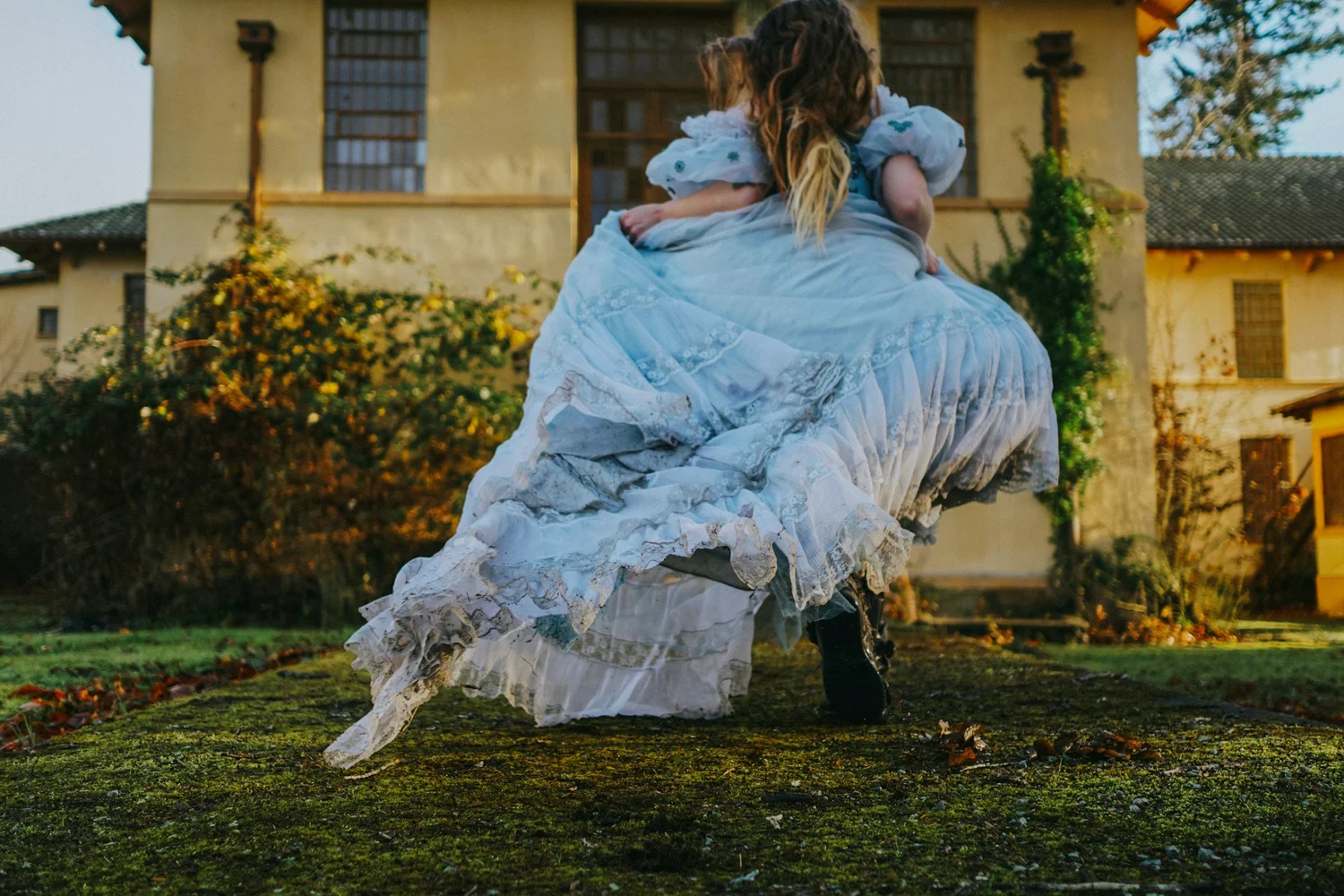
Screen style often works through fragments. A trench coat, a particular trouser shape or a vintage-inspired dress can be adopted without carrying the original character with it. Fashion then reinterprets the image again, creating a feedback loop between costume, retail and personal style.
Not every popular programme produces a measurable fashion trend, so claims about sales or nationwide demand should be supported rather than assumed. The cultural influence is often easier to see in visual references than in hard market data.
Costume is not a shopping list
The most interesting lesson from screen style is not that viewers should dress like fictional characters. It is that clothing can carry narrative. People use dress in everyday life for many of the same purposes: signalling seriousness, playfulness, belonging, distance or aspiration.
Costume design makes that process visible because it has to build a person from the outside in.
Sources
- BFI and V&A collections for British film, television and costume history.
- Costume Designers Guild or credited production sources for specific designers and productions.
- Current fashion-trend claims only where independently verified.