

Clerkenwell sits between the City, Bloomsbury and Islington, but its appeal is not that it feels untouched by London. Quite the opposite: the neighbourhood is interesting because so many different versions of the city remain visible at once.
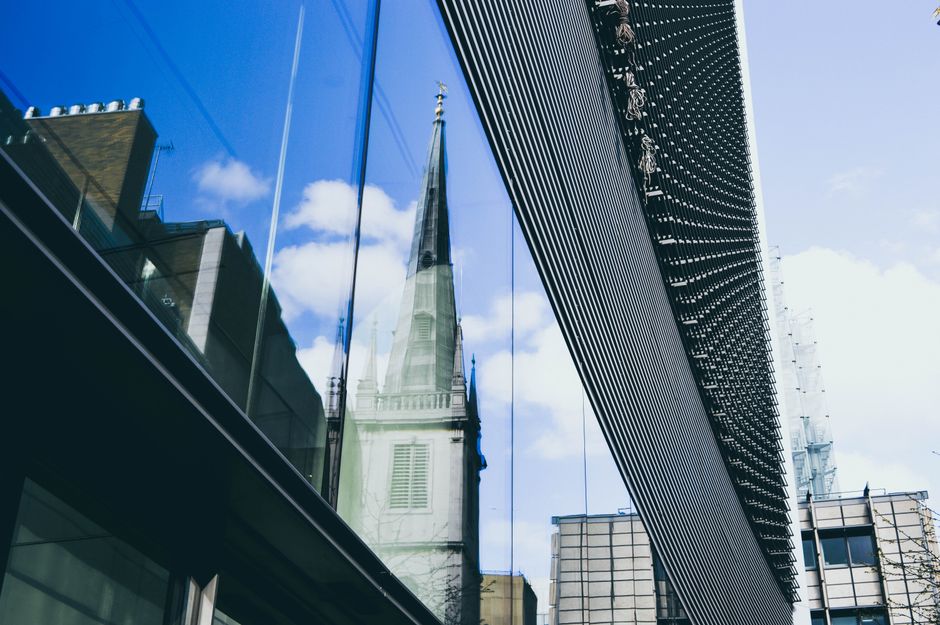
Medieval religious history, former industrial buildings, jewellery and clockmaking associations, Victorian streets, modern design studios and restaurants all occupy a relatively compact area. The result is a neighbourhood that makes more sense on foot than from a list of attractions.
Look at the buildings, not just the shopfronts
St John’s Gate is one of the most recognisable historic landmarks, while the surrounding streets reveal older workshops and warehouses adapted for offices, studios and homes. Clerkenwell’s connection with making has changed form rather than disappeared entirely, and contemporary design businesses now sit within a district long associated with specialist trades.
The area is also shaped by food and drink, from Smithfield nearby to long-established pubs and newer restaurants. That mix can easily become a story of uncomplicated “heritage”, but Clerkenwell is also a place of high property values, redevelopment and changing commercial pressure.
For a visitor, the best approach is to avoid over-planning. Walk between St John’s Gate, Clerkenwell Green, Exmouth Market and the surrounding side streets, allowing time for buildings and small details to interrupt the route.
Clerkenwell is not a hidden village inside London. It is something more convincing: a dense urban neighbourhood where several centuries remain legible in the same few streets.