

Home Food British Pub Culture and What We Lose When a Local Closes
Food

British Pub Culture and What We Lose When a Local Closes

British Pub Culture and What We Lose When a Local Closes
Share

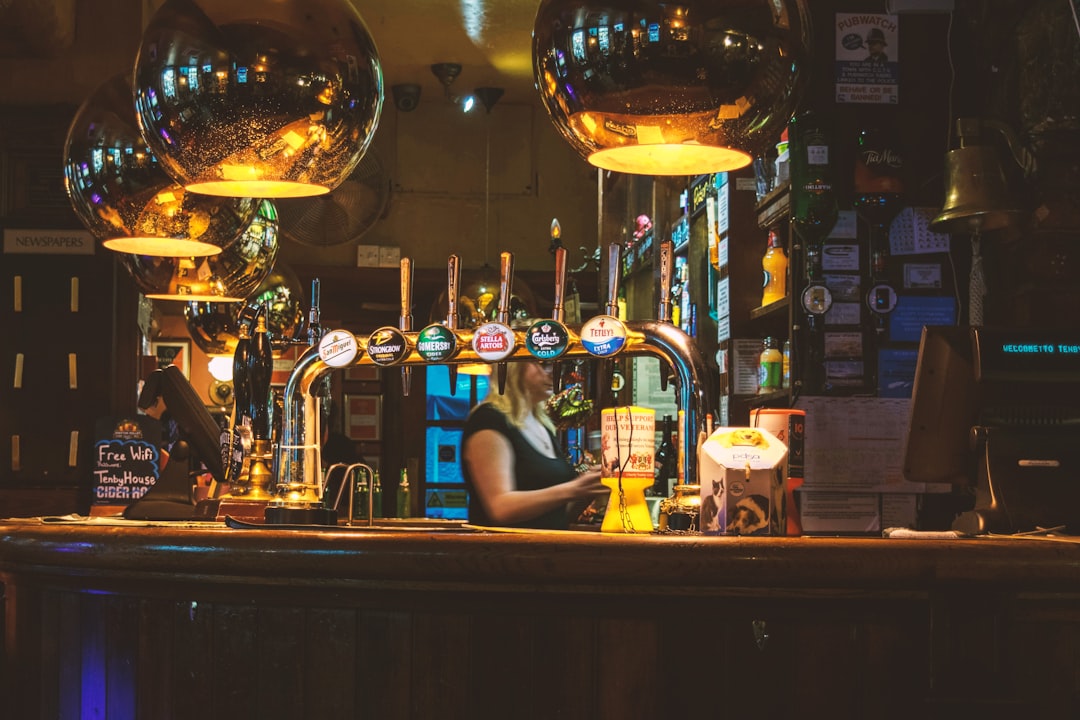
British Pub Culture remains the beating heart of our towns and villages, offering a sanctuary that transcends the simple act of pulling a pint. When you push open the worn wooden door of a traditional tavern, you are met with the familiar scent of floor polish, damp coats, and a faint, yeasty hum of conversation that has defined our social fabric for centuries. It is not merely a place to consume liquid refreshments; it is the unofficial living room of the nation, where life is lived out loud in shared corners.

I have spent years wandering through the quiet lanes of rural England and the bustling corners of London, always seeking out those establishments that feel like an extension of one’s own home. Just as we find solace in a hearty home meal, there is a profound sense of comfort in knowing your regular stool is waiting. These spaces have witnessed weddings, wakes, debates, and the quiet contemplation of a Sunday afternoon crossword. When a local tavern shuts its doors, we lose more than just a business; we lose a vital anchor point of human connection.

The Evolution of British Pub Culture

British Pub Culture

The history of our inns is a tapestry woven into the very identity of Britain. From the Roman tabernae that first dotted our landscape to the coaching inns that served as hubs for weary travellers, these venues have evolved into pillars of the community. They are living museums where the architecture reflects the heritage of the street it inhabits. Whether it is a low-ceilinged building with exposed oak beams or a Victorian-era gem with etched glass windows, every wall tells a story.

In recent years, the landscape has shifted, much like our approach to local produce culture. We are seeing a renaissance in some areas where publicans are reclaiming the kitchen, focusing on seasonal ingredients and regional ales. This shift ensures that the establishment remains relevant, drawing in a new generation that values authenticity over mass-produced convenience. It is a necessary adaptation, keeping the flame alive in an increasingly digital world.

More Than Just a Watering Hole

Walk into any thriving inn on a Tuesday night, and you will find a micro-cosmos of local life. You might see a pub quiz team arguing over the capital of a obscure nation, an elderly regular recounting tales of the neighbourhood as it was fifty years ago, or a young family sharing a roast dinner. It is a melting pot where socio-economic barriers dissolve over a shared glass of ale.

This social cohesion is vital for our well-being. Much like the benefits we see from supporting cognitive health through better dietary choices, the mental nourishment provided by face-to-face interaction is immeasurable. In an era of profound loneliness, the tavern acts as a buffer against isolation. It provides an environment where one can be alone together, enveloped by the low chatter of a crowd without the pressure to perform or produce.

The Tragedy of the Closing Door

When a local closes, the ripple effect on a community is swift and devastating. It often signals the erosion of a village or neighbourhood’s character, making way for soulless residential blocks or empty storefronts. A shuttered inn is a visual reminder of a community that has lost its gathering space, leaving residents with nowhere to anchor their Friday evenings or celebratory pints. The loss is not just commercial; it is cultural, stripping away the unique identity of the area.

Research published by CAMRA highlights how these establishments are often the only remaining public spaces in many rural areas, serving as post offices, meeting halls, and information hubs. Without them, the local economy fragments, and the social fabric starts to fray. We must acknowledge that these institutions are fragile, requiring our patronage to survive. They are not guaranteed; they are communal assets that need active engagement from those who inhabit the surrounding streets.

Preserving the Spirit of the Public House

Preservation is about more than just keeping the building standing; it is about ensuring the spirit of the space persists. This means choosing to frequent your neighbourhood spot instead of opting for a takeaway, engaging with the publican, and participating in the events that bring neighbours together. It is an act of civic duty as much as it is a leisure activity.

As we look to the future, we must fight to protect these spaces. We need policies that prevent unnecessary property development and encourage small businesses to thrive. But beyond policy, we need a shift in our own habits. We need to remember that the charm of a pint is secondary to the charm of the company. When you step inside, notice the faces, the laughter, and the quiet hum of existence; you are participating in a tradition that defines us.

If we allow the last of our traditional inns to fade, we will be left with a sterile landscape devoid of communal soul. Let us continue to push those doors open, order a local draught, and sit a while longer. The conversation you have tonight might be the very thing that keeps a piece of local history thriving for another decade. Keep the fires burning, keep the conversation flowing, and never take your local for granted.

Written by
Amara Okonkwo

Amara was born in Lagos and came to the UK at seventeen to study hospitality management in Birmingham. She never left. After working front-of-house in several well-regarded restaurants she began writing about the industry from the inside — not reviews exactly, but the stories behind the kitchens, the chefs, the suppliers and the neighbourhoods that shape what Britain eats. Her work has appeared in food and travel publications across the UK and she has developed a loyal readership who trust her instincts entirely. She lives in Birmingham, eats out more than she probably should and is writing a book she refuses to talk about.

Editor's Pick

Home

Expert Advice: Mastering the Great British Outdoors

There is an undeniable allure to escaping the digital hum of modern life, trading the glow of a screen for the flickering light...

Culture

Medieval Wisdom for the Modern Grind: Reclaiming Our Rest

We often treat burnout as a uniquely modern ailment—a byproduct of endless notifications, the glow of the blue light, and the relentless pace...

Culture

British Asian Identity and the Generation Navigating Two Worlds

British Asian identity functions as a complex, kaleidoscopic prism through which the modern UK experience is refracted. To exist within this space is...

Opinion

Rethinking UK-EU Health Cooperation: A Post-Brexit Necessity

The recent challenges surrounding the procurement and distribution of critical cancer treatments have reignited a vital conversation about the current limitations of the...

Home

Interior Design Trends Reshaping How British Homes Look and Feel

Interior Design Trends UK are currently undergoing a quiet revolution, moving away from the stark, clinical minimalism that defined the last decade and...

Travel

The Timeless Appeal of Clerkenwell: A London Enclave

London often feels like a collection of villages stitched together by history and ambition, yet few corners of the capital manage to balance...

Related Articles
Embracing Comfort: The Enduring Appeal of a Hearty Home Meal
Food

Embracing Comfort: The Enduring Appeal of a Hearty Home Meal

The simple act of preparing a comforting meal at home often fills...

Culinary Habits That Support Cognitive Health
Food

Culinary Habits That Support Cognitive Health

There is a quiet, enduring wisdom in the idea that the kitchen...

British Food Markets and the Revival of Local Produce Culture
Food

British Food Markets and the Revival of Local Produce Culture

British Food Markets serve as the beating heart of our communities, acting...

Independent Coffee Shops and the Future of British High Streets
Food

Independent Coffee Shops and the Future of British High Streets

Independent Coffee Shops Britain are more than just places to grab a...