


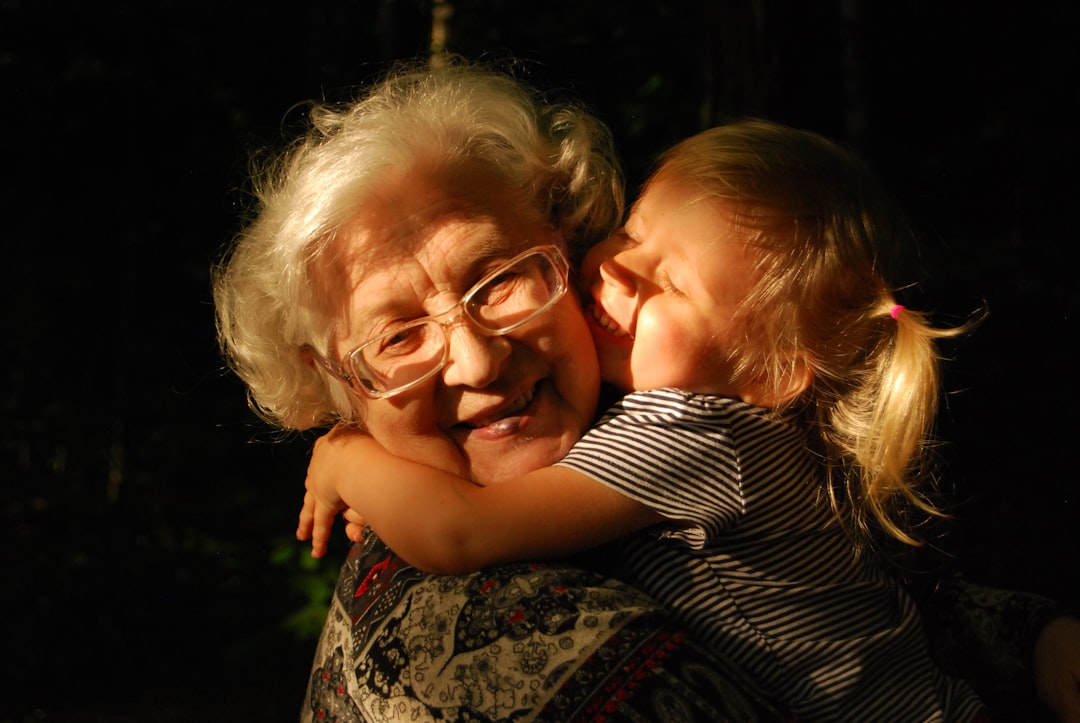
Intergenerational living is often presented as either a return to an older family model or a response to housing costs. In practice, families share homes for many reasons: childcare, caring for older relatives, culture, migration, affordability, disability, companionship and simple convenience.
Recent ONS data shows that more young adults aged 20 to 34 are living with their parents than a decade ago, but that does not automatically mean Britain is returning to a single multigenerational household model. Household arrangements remain varied, and the reasons behind them differ sharply.
Sharing resources can help
A larger household can make some forms of support easier. Childcare may be shared. Older relatives may have more day-to-day company. Bills and housing costs can sometimes be distributed across more adults. Practical knowledge also moves between generations in ways that are harder when family members live far apart.
Those benefits are not automatic. Space, money, privacy and caring labour can also become sources of tension. A household that works well usually depends on clear expectations rather than an idealised belief that family proximity will solve everything.
British homes are not always designed for it
Many houses were built around the assumption of a smaller household. Sharing a kitchen, bathroom or living room between several adults can make privacy difficult. Adaptations, extensions or separate entrances may help some families, but housing design and planning rules can limit what is practical.
Independence is not one thing
Living with parents or adult children is sometimes described as a failure to achieve independence. That judgement ignores the fact that independence can coexist with shared housing. Adults can contribute financially, care for one another and maintain separate routines while living under one roof.
The more useful question is whether the arrangement is chosen, workable and fair to the people involved.
Sources
- Office for National Statistics, Families and households in the UK: 2025.
- Centre for Ageing Better and housing research for current intergenerational and later-life housing context.
- Local planning and housing sources for any specific adaptation examples.