


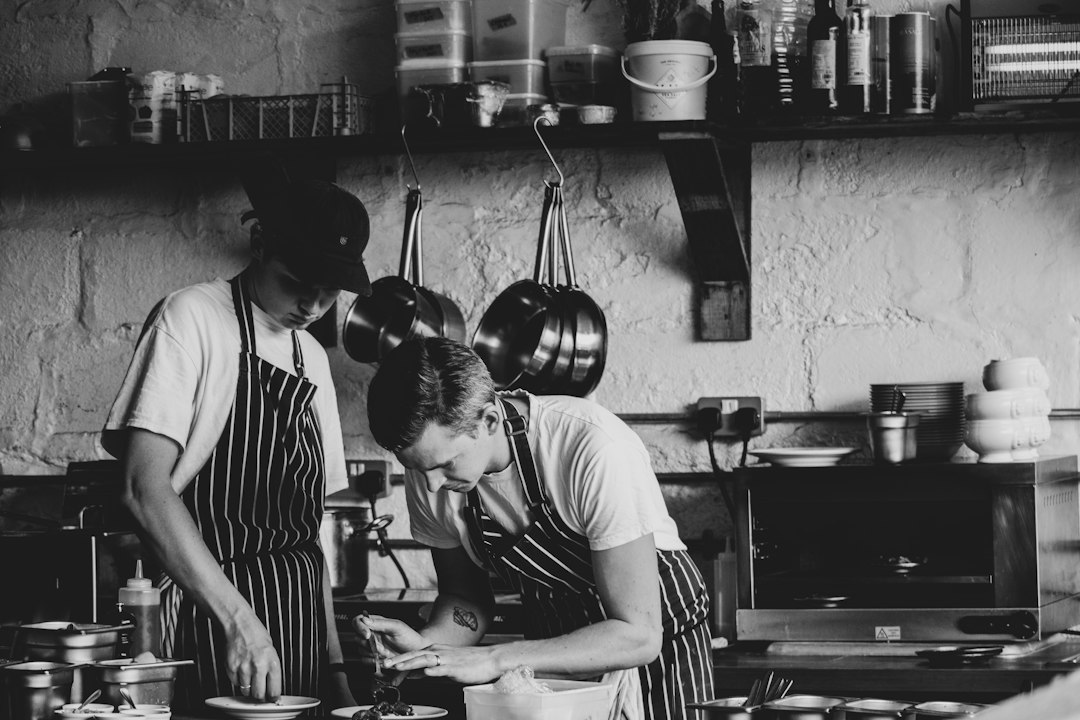
Kitchen Table Culture remains the central gravity of everyday British domestic life, functioning as a lively social object rather than just a sentimental symbol. Long before anyone sits down for a proper meal, this surface has already hosted the chaotic morning rush of tea-making and toast crumbs. It is where households sort through unopened post, pay bills, and spread out school textbooks for evening homework assignments. Many modern homes across the country do not feature a separate dining room, or even a traditional wooden four-leg dining set, making this multi-purpose hub work overtime.
When we look closely at how British domestic spaces are actually used, the layout tells a story of constant negotiation. According to the Museum of the Home, domestic architecture has always adapted to the economic and social realities of the era, reflecting changing family structures and daily habits. Instead of polished displays, real British life leaves traces: a laptop left open next to a jar of loose change, or a mug of builder’s tea cooling beside a half-finished crossword puzzle.
Meals, Arguments, and Daily Rituals
Food is only part of the equation when examining Kitchen Table Culture in contemporary households. Sure, it is where we gather for simple suppers after a long workday, passing around bowls of stew or quick weeknight pasta. Yet it is equally the venue for high-stakes family arguments, whispered late-night phone calls, and honest heart-to-hearts over the final biscuits in the tin. According to ONS household data tracking daily time use and domestic routines, a significant portion of waking hours at home is spent around these central utility zones rather than in formal living rooms.
The rise of remote work has shifted these dynamics even further. Dining areas now double as corporate boardrooms from nine to five, complete with video call backdrops of cereal boxes and kitchen kettles. Once the clock strikes five, laptops are slammed shut, and the exact same surface is wiped down to prepare for evening cooking. It requires a certain resilience to let one piece of furniture hold so many conflicting responsibilities without collapsing under the pressure.
Practical Realities of the Modern British Home
Not every household enjoys sprawling square footage or an open-plan kitchen diner with designer bar stools. In many urban flats and Victorian terraces, space is at an absolute premium. Here are some of the ways modern dwellers make this setup work:
- Using drop-leaf or foldable designs that tuck away when extra floor space is needed for children or pets.
- Investing in sturdy benches instead of individual chairs to squeeze in more bodies during busy weekend breakfasts.
- Establishing strict boundaries between working hours and eating hours so that spreadsheets do not spill into supper.
- Keeping essential tools—like chargers, pens, and notepads—in a single basket nearby to clear clutter instantly.
For those interested in how broader culinary habits shift alongside our living spaces, exploring modern dining habits offers fascinating context on eating alone versus communal sharing. Whether sharing a takeaway with a flatmate or eating solo with a book propped against the salt shaker, the physical anchor remains the same.
Preserving the Social Object
We must acknowledge that romanticised notions of family dinners do not match everyone’s reality. Shift work, hectic commuting schedules, and varying personal lives mean that households rarely sync up for three synchronized meals a day. Instead, connection happens in fragments—a quick chat while the kettle boils, or a shared glance across the laptop screen while working late into the evening. Kitchen Table Culture survives precisely because it is functional, adaptable, and entirely unpretentious.
Ultimately, this modest piece of furniture holds our domestic routines together through sheer utility. As living spaces continue to shrink and adapt to new economic pressures, the central surface of the home proves its worth every single day. It absorbs our stress, catches our crumbs, and witnesses the quiet, unscripted moments that make a house genuinely feel lived-in.
References
Museum of the Home. Domestic-life context and historical archive materials.
Office for National Statistics (ONS). Household and time-use survey data regarding domestic routines.