


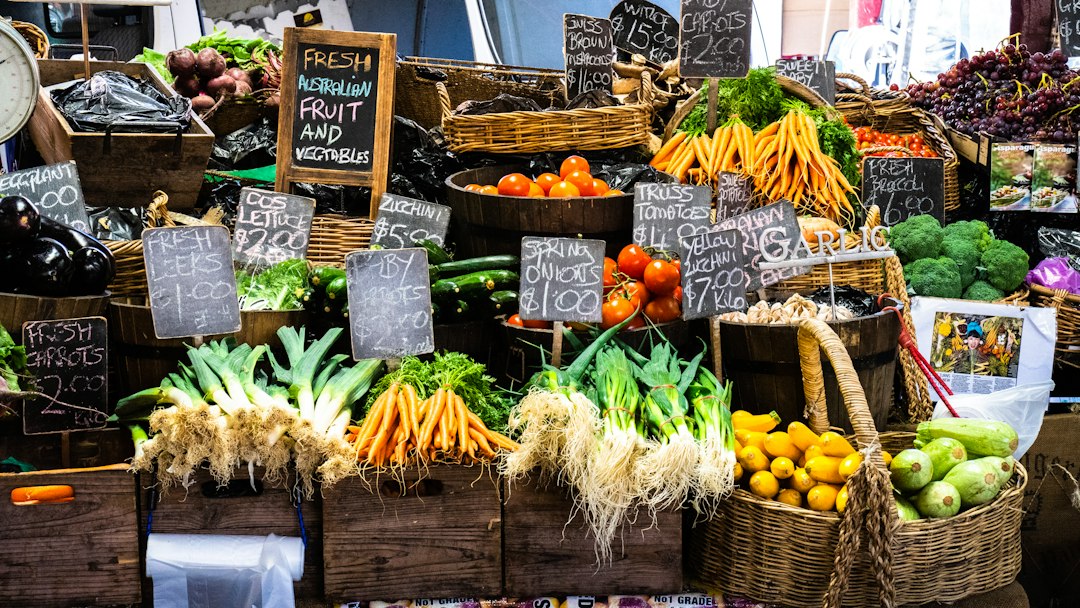
The Farmers Market Effect is something you can smell before you even see the canvas tents fluttering in the morning breeze. It smells like damp earth, sharp cheese, roasting coffee, and wool coats that have braved a damp British dawn. Walking through a weekend market is rarely just about ticking items off a grocery list; it is an immersion into a sensory ecosystem that operates entirely outside the hum of supermarkets. You hear traders calling out prices, knives slicing through thick rounds of sourdough, and the heavy thud of root vegetables being sorted into wooden crates.
Yet, it is vital to peel back the canvas and look at what is actually happening beneath the surface of these bustling stalls. We often romanticize small-scale commerce, imagining every stallholder as an idyllic custodian of the countryside. In reality, modern food markets function as complex micro-economies operating within tight margins and shifting regulatory frameworks. According to recent trade guidance, authentic producer-led markets require rigorous verification to ensure goods are genuinely grown, reared, or baked by the seller (FARMA, 2023). This distinction matters because it separates genuine direct-selling from standard retail reselling.
When we examine the broader picture through official data, the economic impact of local food networks reveals interesting nuances. Government insights on domestic production show that while independent retail channels play a vital cultural role, their total market share remains modest compared to major supermarket chains (DEFRA, 2023). This means we should avoid painting every weekend trading space as an automatic economic revolution or a guaranteed greener alternative. Transport logistics, packaging realities, and pricing structures mean that shopping locally requires deliberate choices rather than blind faith in sustainability narratives.
The Producers and the Reality of Seasonality
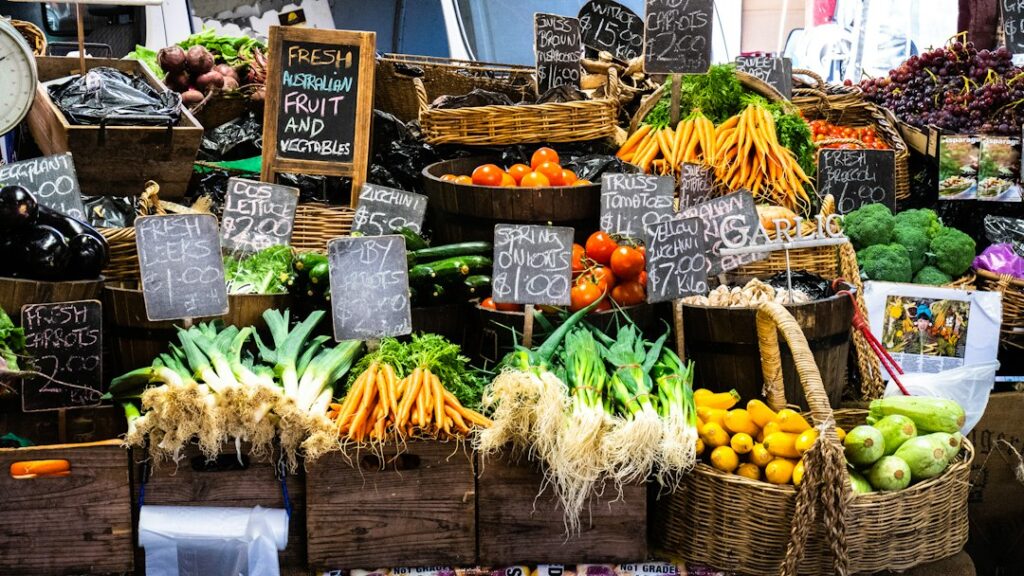
At the heart of any worthwhile food gathering are the growers and makers who load vans in the dark hours of the morning. Standing behind trestle tables, they offer something that a supermarket aisle simply cannot replicate: context. You talk directly to the person who pressed the cider, tended the heritage apples, or cured the salt marsh lamb. This direct selling model cuts out middlemen, allowing smallholders to retain a fairer share of their retail earnings.
Seasonality dictates everything here, forcing both shoppers and chefs to adapt their menus to the rhythm of the British climate. When asparagus appears in May, it vanishes by mid-summer; when winter settles in, tables groan under heavy squashes, kales, and stored roots. Local authority guidance often highlights how these seasonal shifts help reconnect urban populations with agricultural cycles (Local Market Operator, 2022). It shifts our culinary mindset away from year-round strawberries flown in from distant continents.
However, this transparency comes with economic friction that consumers must navigate with open eyes. Prices at independent stalls are frequently higher than industrial retail equivalents due to scale economies and labor costs. Not everyone can afford to fill their weekly baskets entirely from direct-producer stands. Recognizing this prevents us from framing local food culture as a universal solution, acknowledging it instead as one valuable strand of a diverse food landscape.
Town-Centre Footfall and High Street Revival
Beyond the fresh produce and artisanal goods, weekly trading spaces act as vital anchors for struggling town centres. When a market arrives in a square, it brings a distinct pulse that spills over into nearby independent coffee shops and surrounding retail stores. People do not just visit for a single cabbage; they linger, browse, and spend time in areas that might otherwise experience weekday desertion. In many ways, this phenomenon mirrors the cultural shifts we see when independent coffee shops establish roots in neglected commercial zones.
Market operators and local councils often track footfall metrics to measure this regenerative impact on urban spaces. A well-managed trading day can inject much-needed vitality into historic market towns, supporting surrounding businesses through shared foot traffic (Local Market Operator, 2022). Yet, not every market is an instant regeneration success story. Poor planning, prohibitive pitch fees, or lack of parking can lead to struggling stalls and dwindling public interest. We must look at individual markets critically rather than assuming every initiative automatically transforms a town’s economic fortunes.
The Social Ritual of Weekend Shopping
Perhaps the most enduring appeal of these gatherings lies in their social architecture rather than their economic ledger. Shopping here is a deliberate ritual that slows down our otherwise hurried modern routines. You bump into neighbors, chat with stallholders about recipe ideas, and let children taste wedges of sharp cheddar before committing to a wedge. It mirrors the tactile satisfaction found in home baking, where the process and the human connection matter just as much as the final product on the table.
This social fabric fosters a sense of place that standardized retail environments struggle to manufacture. Regular visitors build long-term relationships with their chosen growers, establishing a quiet rapport built on mutual trust and shared culinary enthusiasm. It turns a routine household chore into a grounding community interaction. Even if the prices are steep and the carbon footprint requires careful calculation, this weekly gathering preserves a human scale in how we source our nourishment.
References
DEFRA. 2023. Food and Farming Statistics: UK Production and Supply. Department for Environment, Food and Rural Affairs.
FARMA. 2023. Certification and Operating Standards for Genuine Farmers’ Markets. National Farmers’ Retail & Markets Association.
Local Market Operator. 2022. Town Centre Regeneration and Local Footfall Impact Reports. Municipal Trading Standards and Borough Data.