

Home Food British Food Markets and the Revival of Local Produce Culture
Food

British Food Markets and the Revival of Local Produce Culture

British Food Markets and the Revival of Local Produce Culture
Share

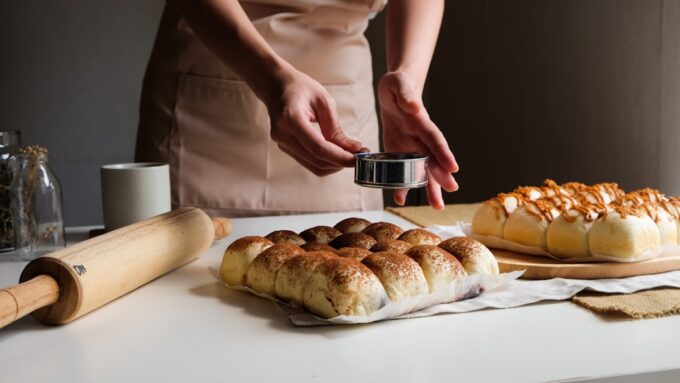
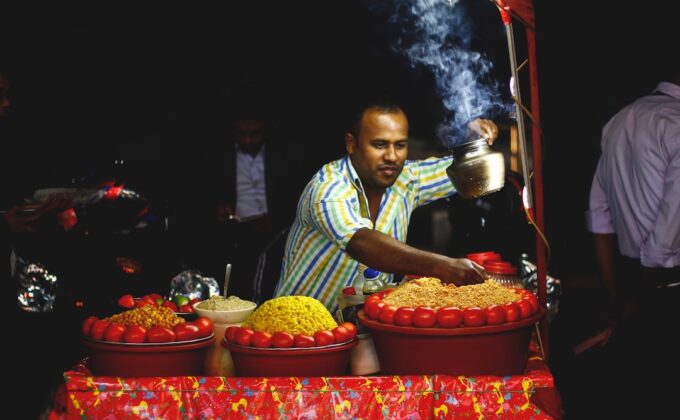
British Food Markets serve as the beating heart of our communities, acting as vibrant town squares where the scent of freshly baked sourdough mingles with the earthy perfume of root vegetables still dusted with soil. Walking through a bustling market on a crisp Saturday morning, you feel an immediate, tactile connection to the landscape that feeds us. It is not merely about procurement; it is an atmospheric ritual that anchors our identity in a rapidly digitising world. Beyond the crates of kale and artisanal cheeses, these spaces are fostering a quiet economic revolution, shifting the tide back toward local resilience and meaningful human connection.

In an era where convenience often dominates our dining choices, the resurgence of these markets reflects a deeper hunger for authenticity. We are moving away from the clinical aisles of supermarkets, seeking instead the wisdom of a grower who can tell you exactly which patch of land their carrots called home. This shift is not just a trend—it is a reclamation of our culinary heritage. By choosing to spend our pounds with small-scale farmers and independent makers, we are actively nurturing the local ecosystem, ensuring that money stays within the region to support real families rather than distant corporate entities.

The Economic Power of British Food Markets

British Food Markets

The economic footprint of these markets is profound. When we purchase a loaf of bread or a jar of honey from a local trader, we create a ripple effect that sustains the entire regional supply chain. These venues provide a low-barrier entry point for entrepreneurs to test their concepts, offering a space where innovation meets traditional craftsmanship. Many of our modern culinary success stories started as humble stalls, proving that these markets are vital incubators for talent. As highlighted by independent coffee shops and similar enterprises, the vitality of our high streets often depends on the diversity of small, character-filled vendors that provide a unique local flavour.

Consider the logistical benefit of shortened supply chains. Traditional global retail relies on massive distribution networks that consume energy and create waste. In contrast, the market-to-table model drastically reduces “food miles,” which is a significant victory for environmental sustainability. Every time a consumer opts for market-sourced greens over imported alternatives, they are voting for a future that values carbon reduction and soil health. It is an act of defiance against the industrialised food system, favouring quality and seasonality over year-round uniformity.

Building Community Resilience Through Food

At their core, these gatherings are about people. There is a palpable energy when neighbours meet over a vendor’s display, discussing recipe ideas or debating the merits of different heirloom tomato varieties. This social fabric is often missing from our high-speed lives, yet it is essential for mental and communal well-being. These spaces break down social barriers, inviting dialogue between the producer, the chef, and the home cook. When we know the person who makes our cheese, the meal itself becomes a story rather than a transaction.

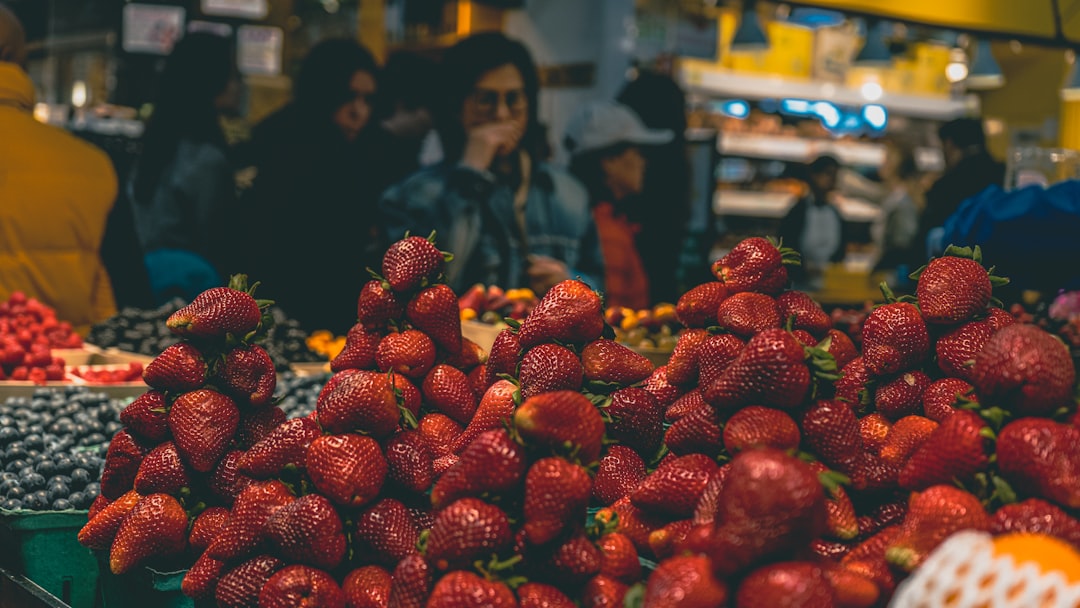
Beyond the social benefits, the educational aspect cannot be overstated. Children growing up around these stalls learn the rhythms of the seasons naturally, understanding that strawberries arrive in summer and apples belong to the autumn. This generational knowledge transfer is vital for the long-term health of our nation. When communities take an interest in how their food is grown, they become better stewards of the land, supporting initiatives that preserve farmland and promote biodiversity. This sense of ownership is what keeps a town vibrant and self-sufficient.

A Curated List for the Conscious Shopper

If you are looking to immerse yourself in the finest regional produce, consider these categories of vendors that elevate the market experience:

  • Small-batch artisanal bakers who focus on ancient grains and long fermentation processes.
  • Regenerative farmers selling organic, pasture-raised proteins and seasonal field vegetables.
  • Independent cheesemakers who partner with small dairies to champion local heritage breeds.
  • Foragers and local picklers who preserve the bounty of the hedgerows and orchards.
  • Handcrafted condiment makers who utilise local fruit and herbs to create unique seasonal preserves.

Navigating these stalls requires a shift in mindset. You must be prepared to accept that some items will not be available year-round, which is part of the charm. Instead of walking in with a fixed list of rigid demands, allow the market to dictate your menu for the week. This flexibility is the hallmark of a true food lover, and it is how you discover the best flavours the country has to offer. Be brave enough to ask questions—traders are usually passionate experts who love to explain their process, from the specific flour used in their sourdough to the farming methods behind their eggs.

Ensuring Future Growth and Stability

To keep these spaces thriving, we must remain consistent in our support. It is easy to visit on a sunny day during the peak of summer, but the true test of community loyalty happens on those cold, drizzly mornings when a vendor’s tent is flapping in the wind. These are the moments when our financial choices directly impact a business’s ability to survive. By making the local market a part of your weekly routine, you help these small businesses weather the storms of economic uncertainty. Consistency is the currency that buys our towns a future.

Furthermore, local governments and town planners are beginning to recognise that these markets are as important as any transport or housing infrastructure. When planners invest in public squares and market infrastructure, they are investing in the social health of the population. We must advocate for policies that make it easier for farmers to sell directly to the public, stripping away the red tape that often hampers small-scale trade. The goal is to create a seamless landscape where high-quality, local food is accessible to everyone, regardless of their income level.

As we look forward, the outlook for our food culture seems bright. A new generation of growers and makers is emerging, committed to both traditional methods and modern sustainability. They are not interested in scaling up to global proportions; they are interested in deepening their roots within their specific communities. This movement towards localisation is a powerful economic force that deserves our attention and our investment. Each basket filled at the market is a small victory for the kind of country we want to live in—a country that values community, quality, and the simple joy of a good meal shared with friends.

So, the next time you find yourself with an empty pantry, resist the temptation of the supermarket delivery. Instead, seek out your local market, talk to the traders, and reconnect with the seasonal cycles of the landscape. Whether you are grabbing a quick coffee or stocking up on ingredients for a Sunday roast, your presence contributes to a broader cultural shift. By fostering these relationships, we build a society that is not only well-fed but also deeply connected to the land and to each other. It is a delicious way to change the world, one market stall at a time.

Written by
Amara Okonkwo

Amara was born in Lagos and came to the UK at seventeen to study hospitality management in Birmingham. She never left. After working front-of-house in several well-regarded restaurants she began writing about the industry from the inside — not reviews exactly, but the stories behind the kitchens, the chefs, the suppliers and the neighbourhoods that shape what Britain eats. Her work has appeared in food and travel publications across the UK and she has developed a loyal readership who trust her instincts entirely. She lives in Birmingham, eats out more than she probably should and is writing a book she refuses to talk about.

Editor's Pick

Home

Expert Advice: Mastering the Great British Outdoors

There is an undeniable allure to escaping the digital hum of modern life, trading the glow of a screen for the flickering light...

Culture

Medieval Wisdom for the Modern Grind: Reclaiming Our Rest

We often treat burnout as a uniquely modern ailment—a byproduct of endless notifications, the glow of the blue light, and the relentless pace...

Culture

British Asian Identity and the Generation Navigating Two Worlds

British Asian identity functions as a complex, kaleidoscopic prism through which the modern UK experience is refracted. To exist within this space is...

Opinion

Rethinking UK-EU Health Cooperation: A Post-Brexit Necessity

The recent challenges surrounding the procurement and distribution of critical cancer treatments have reignited a vital conversation about the current limitations of the...

Home

Interior Design Trends Reshaping How British Homes Look and Feel

Interior Design Trends UK are currently undergoing a quiet revolution, moving away from the stark, clinical minimalism that defined the last decade and...

Travel

The Timeless Appeal of Clerkenwell: A London Enclave

London often feels like a collection of villages stitched together by history and ambition, yet few corners of the capital manage to balance...

Related Articles
British Pub Culture and What We Lose When a Local Closes
Food

British Pub Culture and What We Lose When a Local Closes

British Pub Culture remains the beating heart of our towns and villages,...

Embracing Comfort: The Enduring Appeal of a Hearty Home Meal
Food

Embracing Comfort: The Enduring Appeal of a Hearty Home Meal

The simple act of preparing a comforting meal at home often fills...

Culinary Habits That Support Cognitive Health
Food

Culinary Habits That Support Cognitive Health

There is a quiet, enduring wisdom in the idea that the kitchen...

Independent Coffee Shops and the Future of British High Streets
Food

Independent Coffee Shops and the Future of British High Streets

Independent Coffee Shops Britain are more than just places to grab a...