
Remote Work Mental Health remains a complex, shifting landscape as millions of Britons navigate the blurring lines between their professional obligations and the sanctuary of their own homes. We are living through a period of profound transition where the morning commute, once a source of collective frustration, has been replaced by the quiet hum of a laptop on a kitchen table. This shift has not merely altered our productivity; it has fundamentally changed how we relate to the space where we rest, eat, and nurture our most intimate relationships. To understand this, we must look past the statistics and consider the human cost of being permanently connected to our offices.
For many, the initial allure of working from a bedroom or a converted spare room was the promise of freedom. The rigid structure of the traditional nine-to-five seemed to dissolve, leaving behind a blank canvas for a better life. Yet, as time has passed, the reality has proven to be far more nuanced. Without the physical transition of leaving a building at the end of the day, the psychological boundary that demarcates work from leisure has begun to fray. We find ourselves carrying the residual stress of a difficult email into our evening meals, unable to truly disconnect from the demands of the day.
The absence of casual, spontaneous human interaction—the “water cooler moments” that once punctured the intensity of the workday—has left a void. When we strip away these incidental social exchanges, we are left with a clinical form of communication, one that is efficient but remarkably sterile. This isolation can exacerbate the loneliness in modern Britain, creating a scenario where professional performance is monitored, but individual wellbeing is left to fall through the digital cracks. There is an inherent contradiction in being technically connected to our colleagues via video calls while simultaneously feeling a deepening sense of social distance.
The Evolution of Modern Professional Boundaries
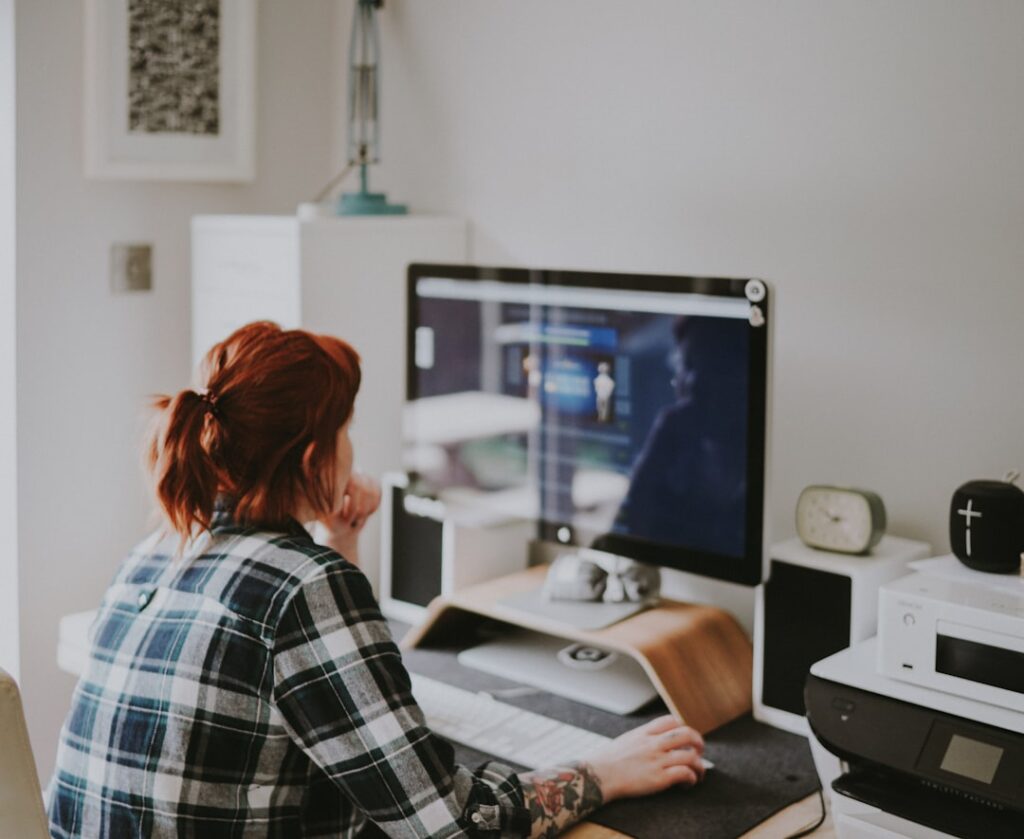
When we examine the way working from home has become the new normal, we see a society grappling with the erosion of downtime. It is not necessarily the workload itself that causes the greatest strain, but the relentless availability that has become the unspoken expectation of the digital age. When our living rooms function as offices, our brains are denied the visual and sensory cues that signal the end of the day. This lack of a clear conclusion is perhaps the most significant contributor to the current strain on our psychological health.
This challenge is explored in a thoughtful analysis of our relationship with industry and performance. As noted in the study of work-life rhythms, the modern professional often falls into the trap of believing that constant engagement equates to productivity. However, the reality is far more counterintuitive. As Pang (2016) suggests, true cognitive efficiency is rarely found in the unending grind; rather, we get more done when we work less, provided we engage in deliberate, restorative rest. The struggle for many Britons today is that they have lost the art of this rest, replacing it with a form of shallow, performative activity that satisfies the screen but drains the spirit.
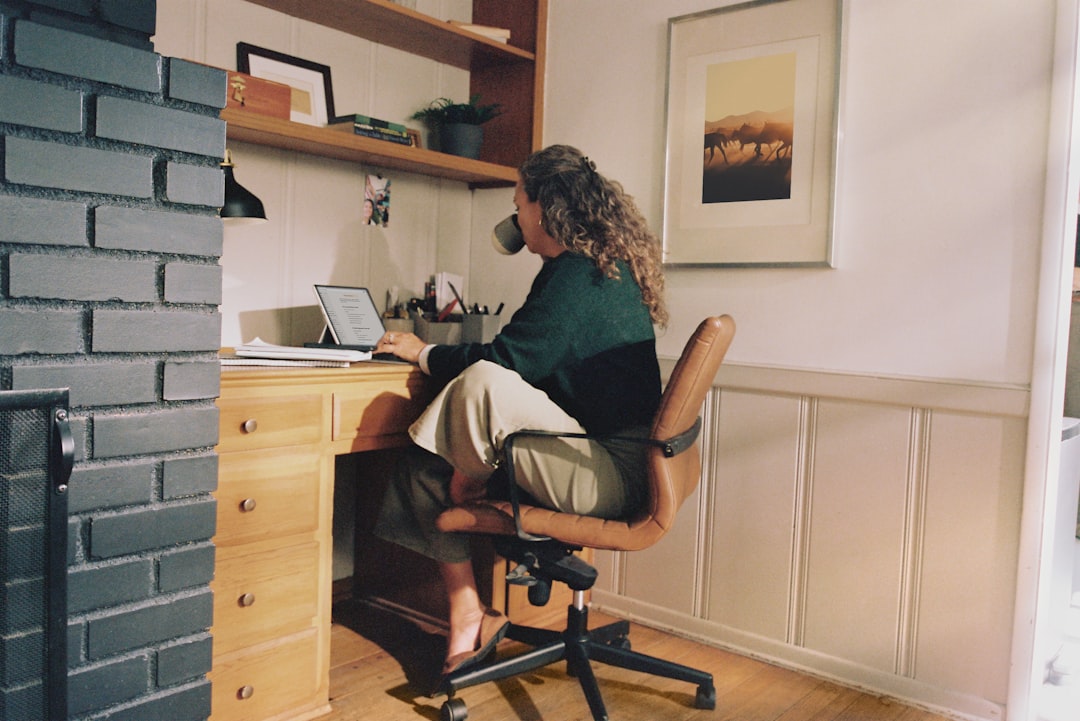
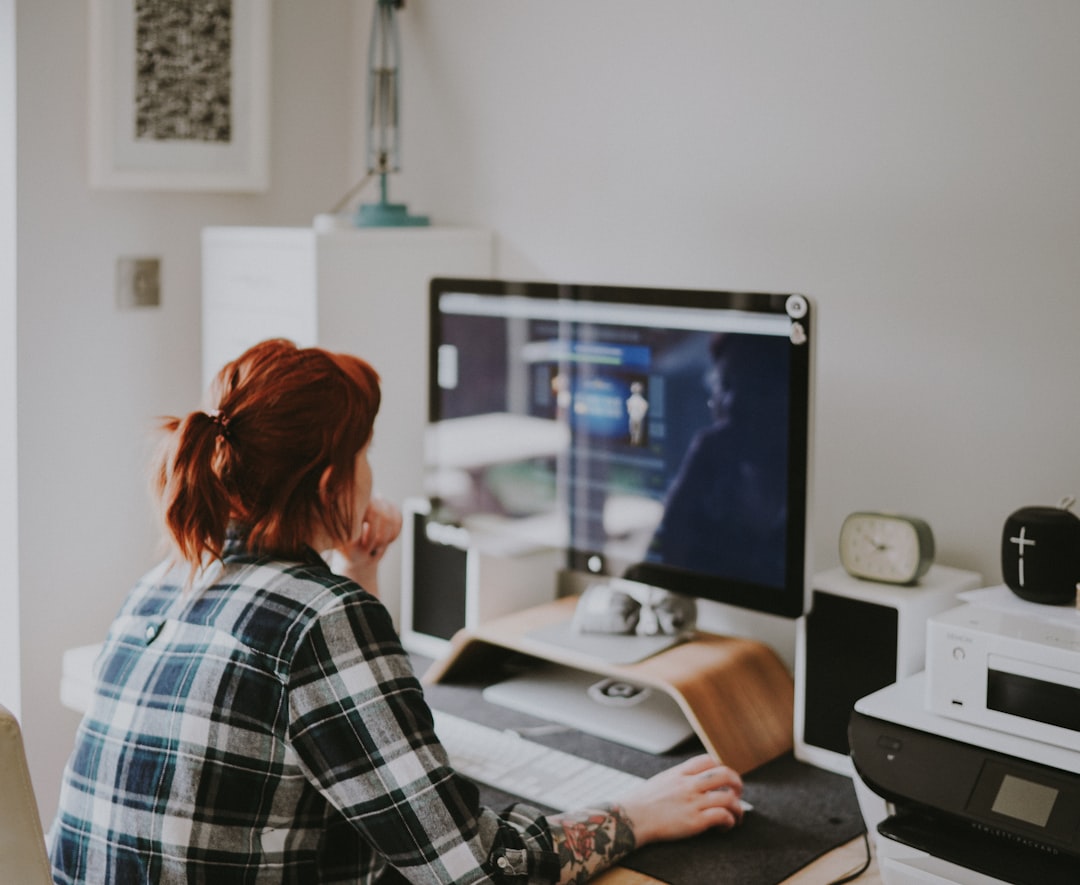
The physical environment plays a silent, yet dominant role in this dynamic. Those living in cramped urban flats face a different set of pressures compared to those with dedicated home offices. When the laptop sits permanently on the table, it exerts a subtle, persistent pressure on the mind, reminding us of tasks undone. The home, which was once a place of refuge, is now a place of potential surveillance, leading to a state of low-level, chronic anxiety that is difficult to shake. We are effectively living at our workplace, an arrangement that many of us never anticipated when we first welcomed the flexibility of this new model.
The impact of this reality is often felt in the quieter moments of the evening. It is the inability to fully commit to a book, the restless pacing through the kitchen, or the sudden, sharp anxiety that arises when a notification pings after dark. These are not merely individual failings; they are social patterns that have emerged from a rapid, systemic change in how we structure our days. We are attempting to impose a digital efficiency on the messy, emotional reality of human life, and the dissonance is becoming increasingly difficult to ignore.
Finding Balance in a Disconnected World
To navigate this new terrain, many are beginning to experiment with new ways of defining their existence. Some are turning toward hobbies that demand physical presence, such as the appeal of sailing, which forces a complete departure from the digital world and a return to the sensory, tactile experience of the natural environment. These departures are not just vacations; they are vital acts of reclamation. When the mind is forced to focus on the wind and the water, it is temporarily liberated from the cycles of expectation that define the desk-bound life.
Yet, we cannot all sail away to reset our internal clocks. Most must find ways to integrate rest into the fabric of the home. The challenge lies in recognizing that downtime is not a reward for work completed, but a prerequisite for sustained mental clarity. As Pang (2016) observes, we are often working under the false impression that time spent at the desk is always time spent productively, when in fact, the brain requires periods of genuine detachment to remain sharp and balanced. By failing to protect our time, we inadvertently diminish the very quality of the work we are trying so hard to produce.
The conversation around our mental wellbeing must shift from the clinical to the experiential. We need to acknowledge that the human mind was not designed to be tethered to a digital tether for the entirety of its waking life. The Health and Safety Executive notes that the management of psychological risks is becoming a primary concern for modern employers, yet the solution often lies in personal boundaries that are incredibly difficult to set. We are learning, often the hard way, that just because we can work from anywhere, does not mean we should work at all times.
Ultimately, the narrative of our working lives is being rewritten in real-time. Whether this new era of flexibility will lead to a more humane way of living or a state of permanent exhaustion depends on our ability to prioritize our humanity over our output. We are at a crossroads where we must decide if the convenience of the digital workspace is worth the price of our peace of mind. As we move forward, the most important work we do might not be on our screens, but in the deliberate effort to walk away from them.
References
Pang, A. (2016). Rest: Why You Get More Done When You Work Less. Basic Books.